10 Brilliant Living Room Shelf Styling Tips for a Designer Look (That Anyone Can Copy!)
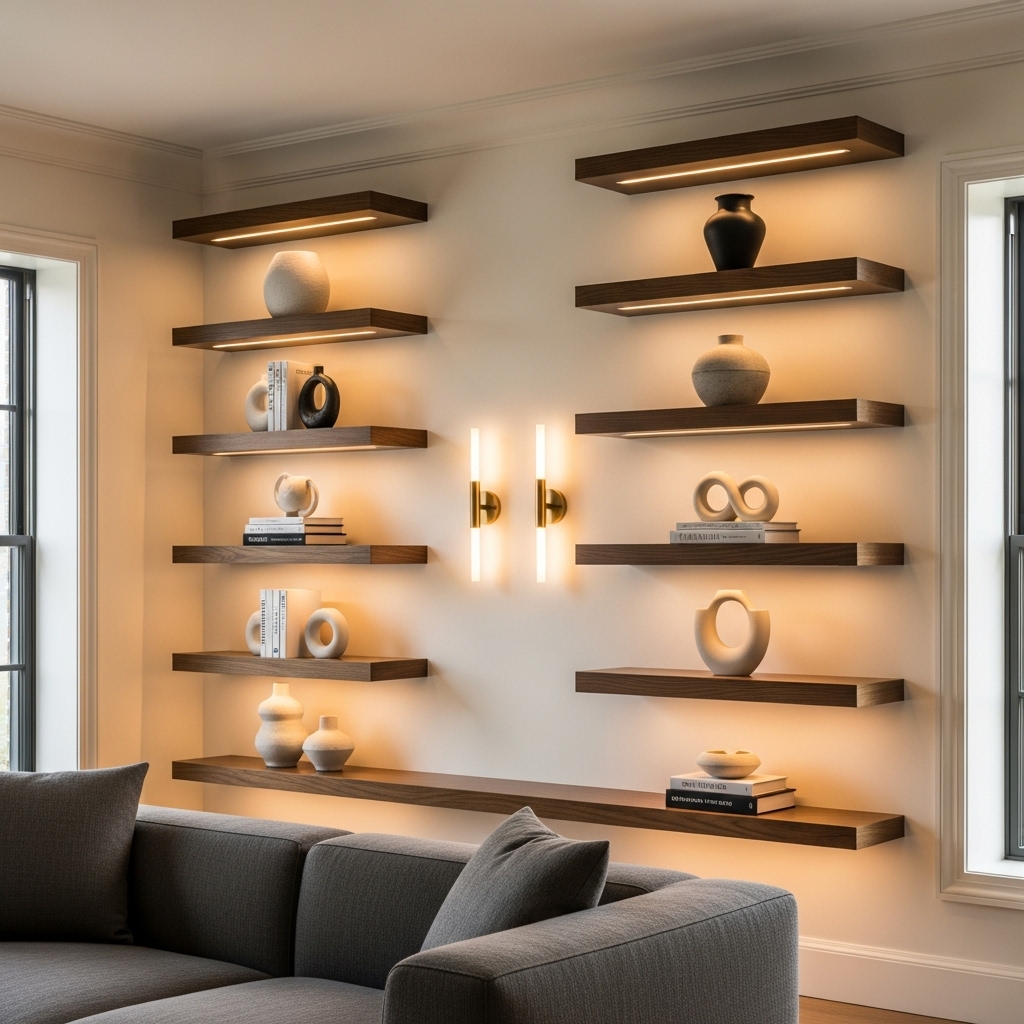
Styling your living room shelves is one of the easiest ways to elevate your space without spending a fortune. Whether you have built-ins, floating shelves, bookcases, or wall-mounted displays, the way you style them can dramatically change the entire feel of your living room. If you’ve ever wondered why designer shelves always look so polished, balanced, and effortlessly chic, this guide is for you.
Below, you’ll find 10 practical, beginner-friendly living room shelf styling tips for a designer look—so you can recreate the magazine-worthy aesthetic right at home.
1. Start With a Clean Slate
Before you begin arranging, remove everything from your shelves. Starting with an empty canvas helps you see the space more clearly and plan your layout intentionally.
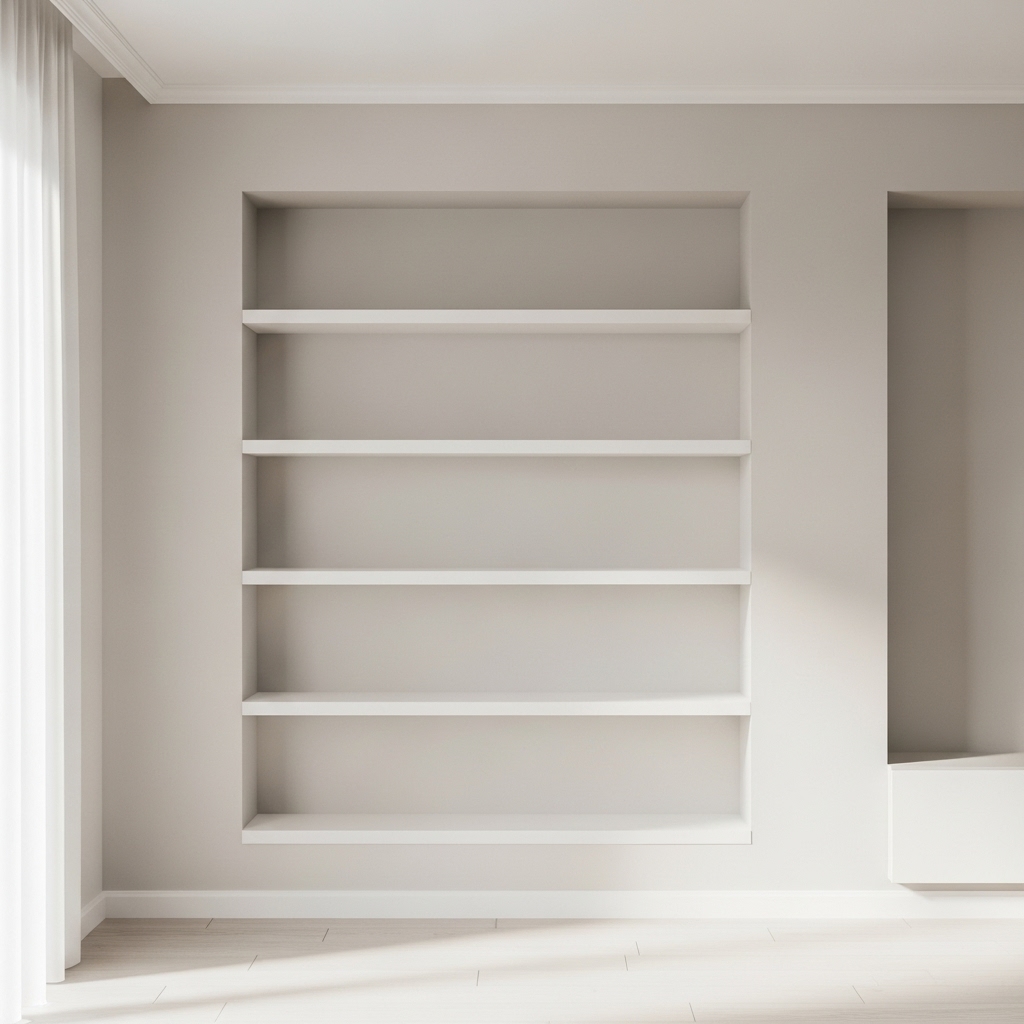
Take a moment to wipe down surfaces, check for visual clutter, and consider the overall look you want—minimalist, cozy, modern, vintage, or eclectic.
This simple reset lays the foundation for designer-level styling.
2. Create Balance Using the “Triangle Method”
Designers often rely on visual triangles to create flow and balance. This means choosing three related items—whether by color, size, or style—and placing them in a triangular pattern across your shelves.
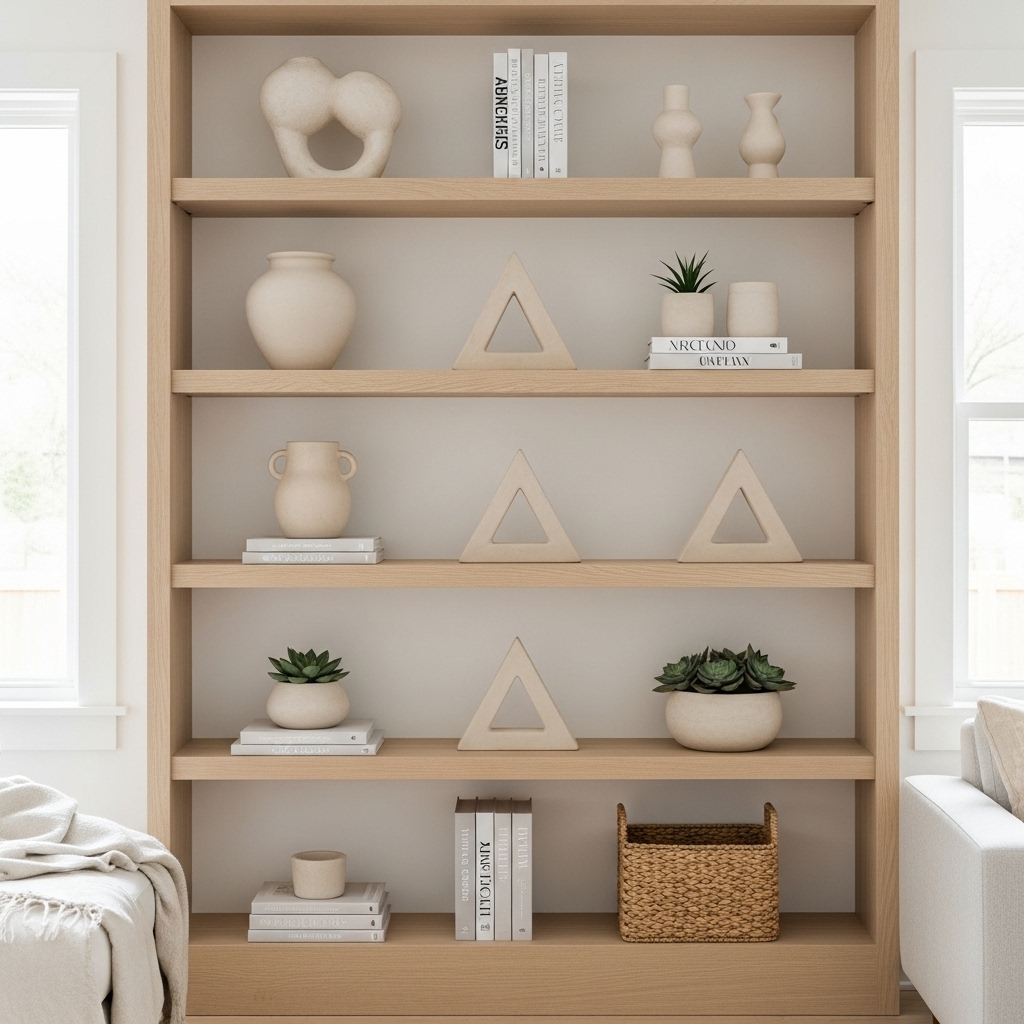
For example:
- A beige vase on the top left shelf
- A beige candle on the middle right
- A beige book stack on the bottom center
The eye naturally follows this pattern, helping your shelves look styled without feeling forced.
3. Mix Heights and Shapes
Shelves look flat and boring when everything is the same height or shape. Designers always vary:
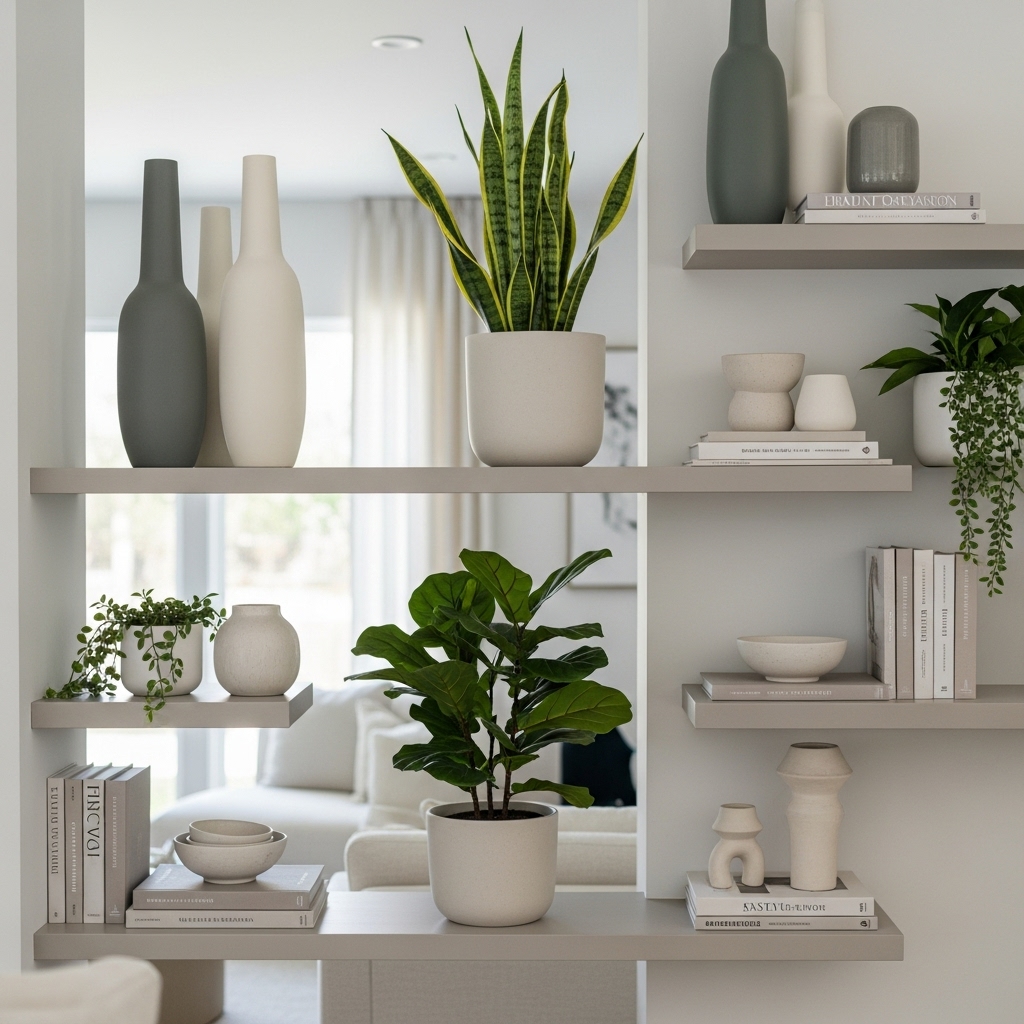
- Tall objects (vases, frames, candleholders)
- Medium objects (plants, bowls, sculptures)
- Small accents (trinkets, candles, decorative beads)
By mixing heights, you add visual interest and movement. This layering gives your shelves a professional, curated feel.
4. Incorporate Books Strategically
Books instantly make shelves feel warm and intentional—but how you arrange them matters.
Try these designer-approved tricks:
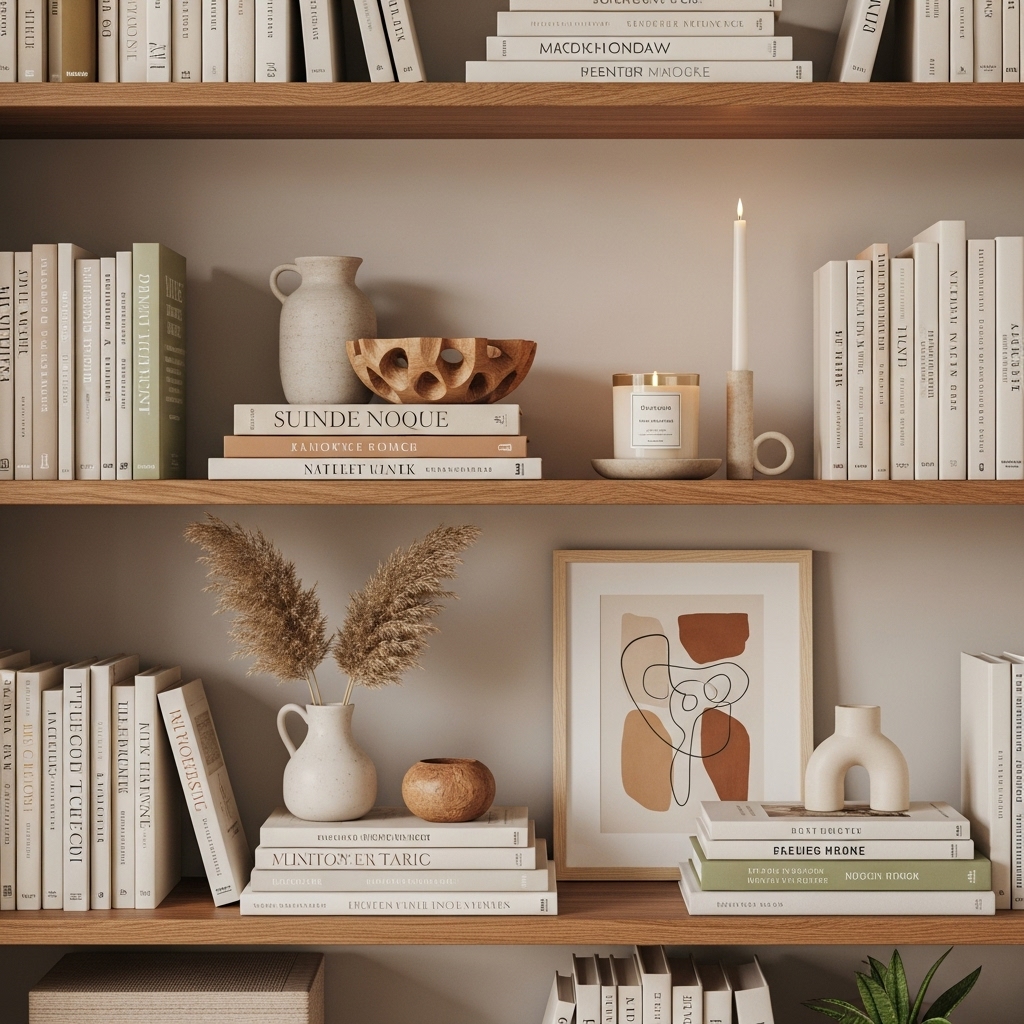
- Alternate vertical and horizontal stacks
- Face some books forward to display beautiful covers
- Use book stacks as mini pedestals for small décor pieces
- Mix hardcover and coffee table books for dimension
Even if you only have a handful of books, you can make them look artfully arranged, not cluttered.
5. Layer Items Instead of Lining Them Up
One of the biggest differences between amateur and designer shelf styling is layering. Instead of lining objects in a row, designers overlap pieces to create depth.
Examples:
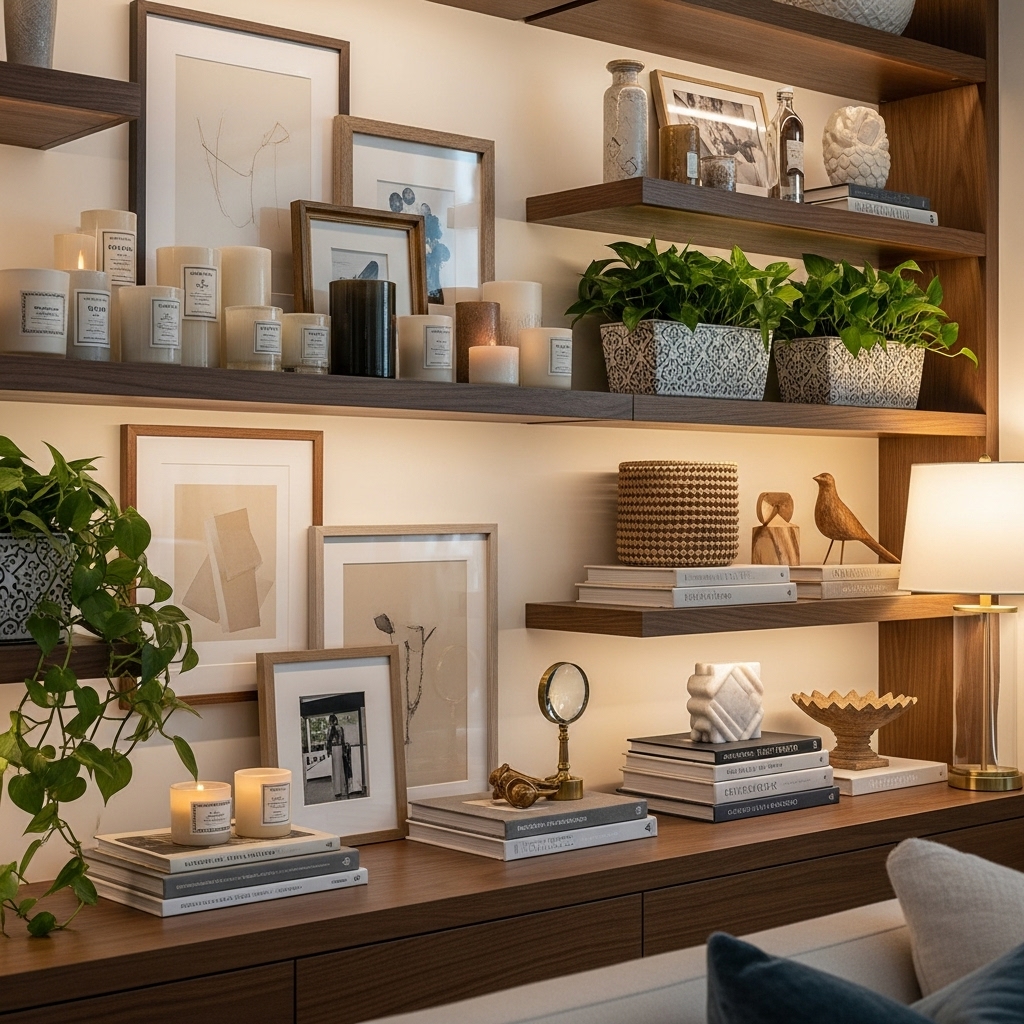
- Place a frame behind a candle
- Layer a small plant in front of a book stack
- Put decorative beads draped over a bowl
This staging makes your shelves feel fuller, richer, and more thoughtfully styled.
6. Add Greenery (Real or Faux)
Plants are a non-negotiable for designer-level shelves. They soften the look, add color, and bring a refreshing natural touch to your living room.
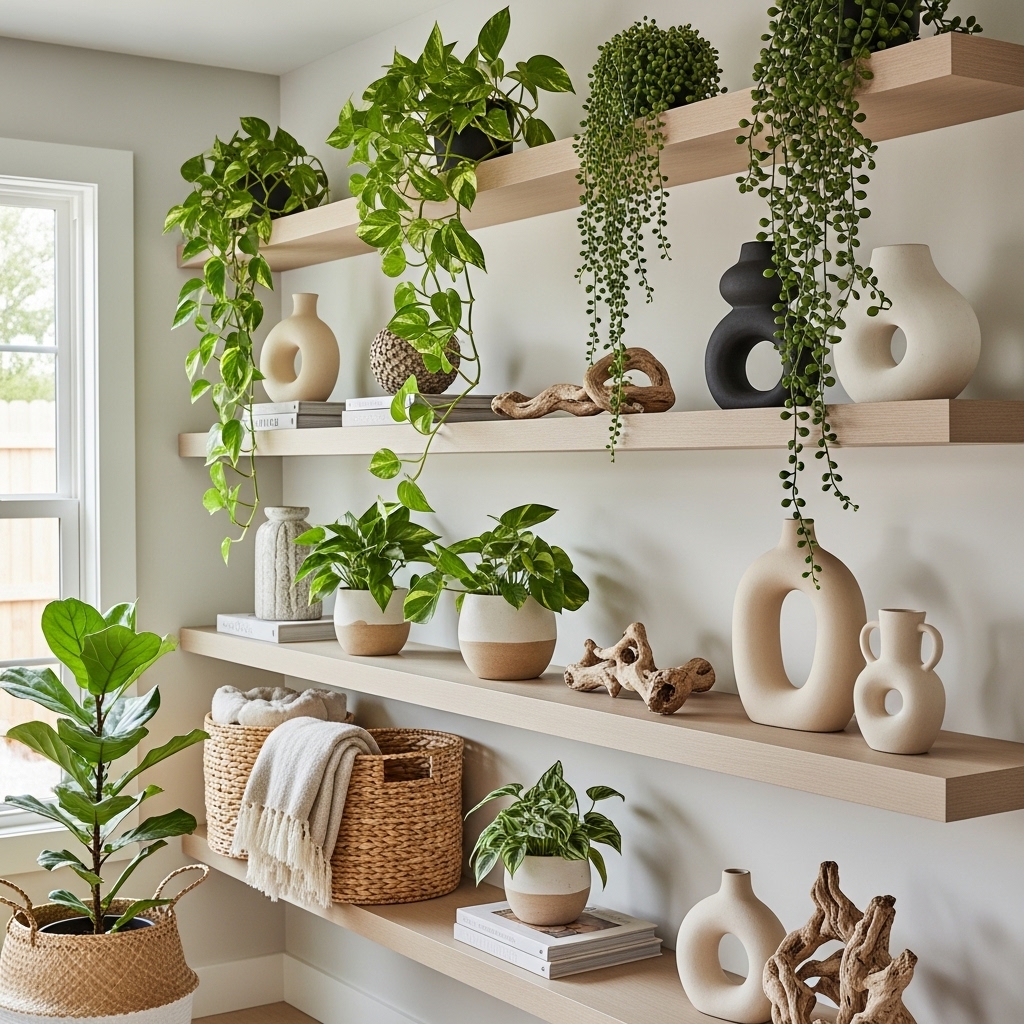
Great options include:
- Trailing plants like pothos or ivy
- Small faux succulents
- Mini potted trees
- Dried stems or pampas grass
Even one or two plants can make the entire shelf display come alive.
7. Use a Cohesive Color Palette
Designers never choose random colors for shelves. They stick to a consistent palette—usually 2 or 3 main tones with one accent color.
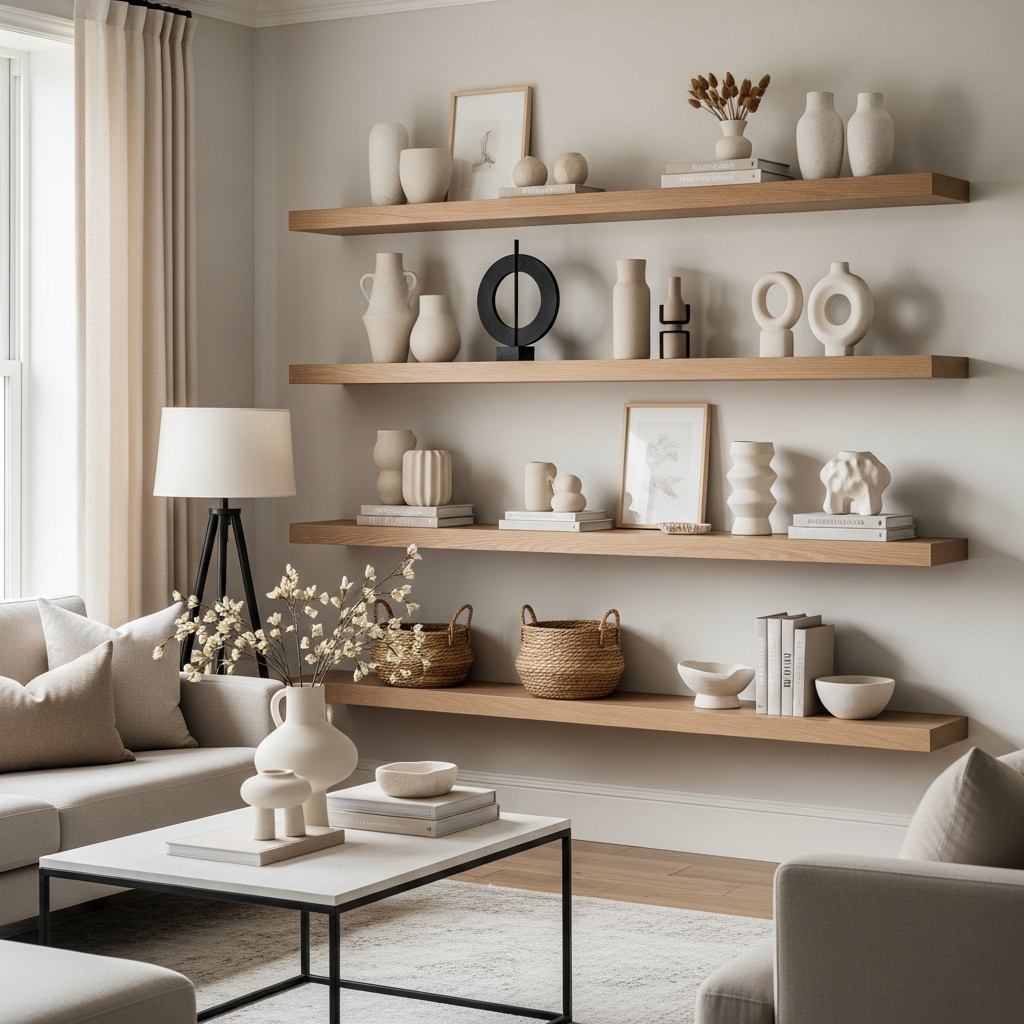
Try selecting colors based on:
- Your sofa or rug
- Artwork in your living room
- Seasonal tones for a timely refresh
Popular palettes include:
- Neutrals + black accents
- Warm wood tones + whites + greenery
- Gold + beige + soft pastels
- Black + natural textures + earthy greens
Keeping your colors cohesive ensures a polished, harmonious look.
8. Include Personal Touches
While designer shelves look curated, they never feel impersonal. The best shelf styling includes items that tell your story, such as:

- Travel souvenirs
- Family photos
- Vintage pieces
- Heirlooms
- Handmade pottery
- Meaningful books
These pieces anchor your design emotionally while giving your shelves a unique personality.
9. Use Decorative Objects to Fill Gaps
Small styling objects are the secret to filling awkward gaps and giving your shelves a complete look. Use items like:
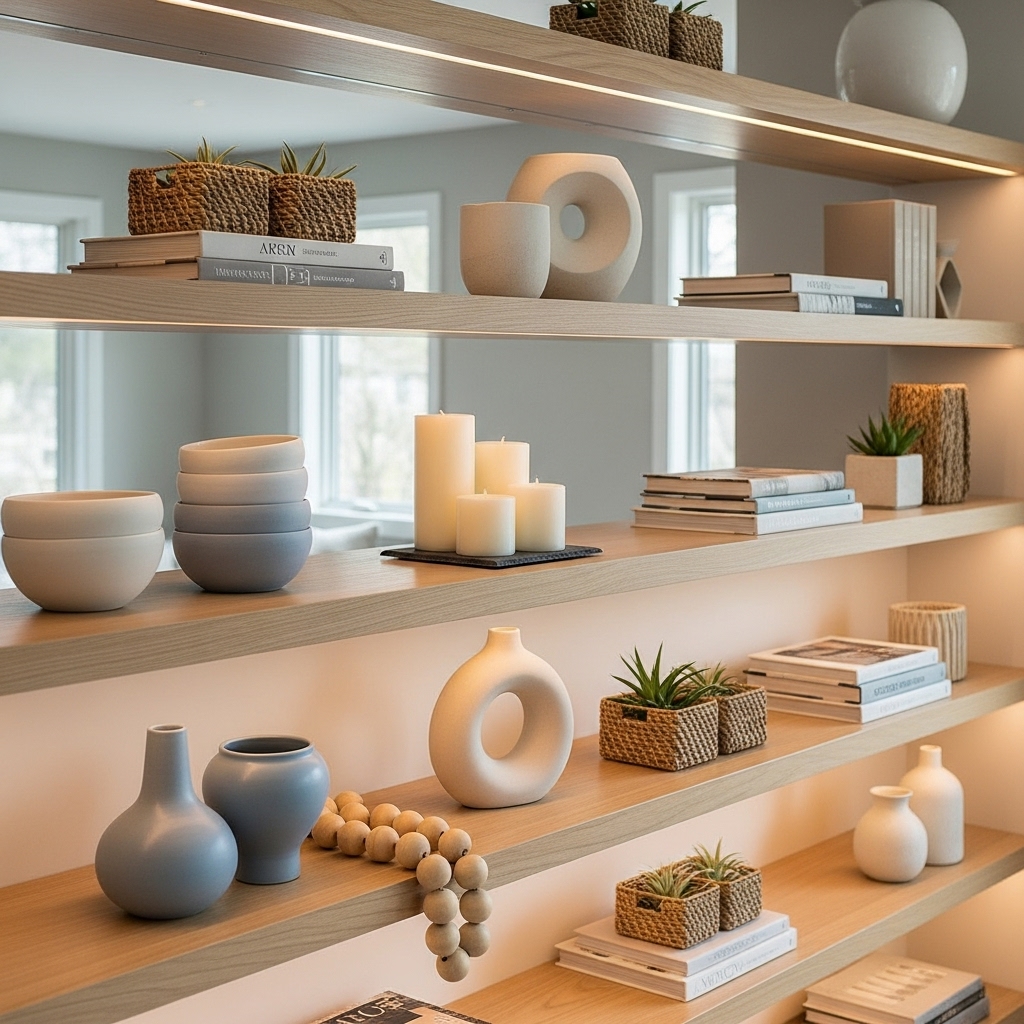
- Ceramic bowls
- Sculptures
- Candles
- Decorative beads
- Mini baskets
- Wooden links
- Art objects
These accent pieces help your shelves look intentionally styled without overwhelming the space.
10. Step Back and Edit Like a Designer
The final (and most important) step is editing. Designers always step back and evaluate the overall composition.
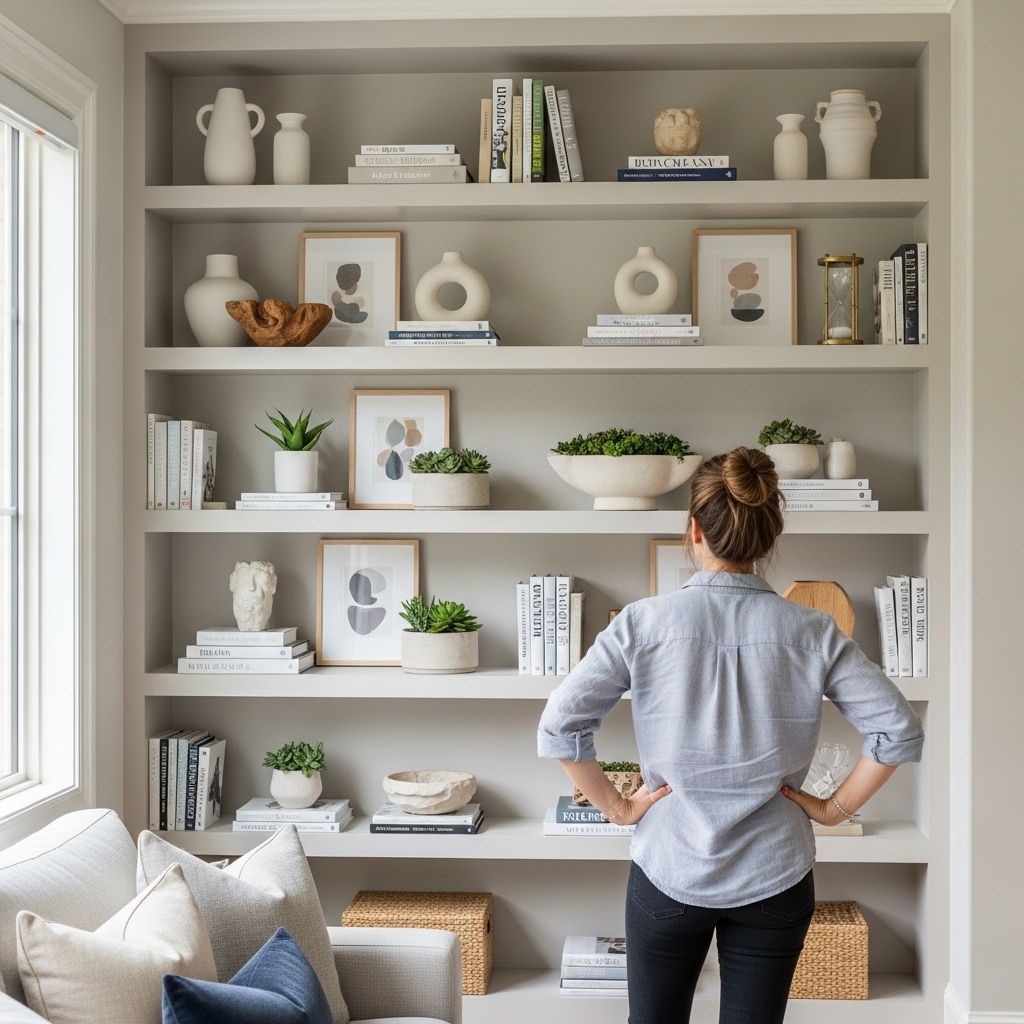
Ask yourself:
- Does it feel balanced?
- Is there too much visual noise?
- Do I have repetitive shapes?
- Is the color palette cohesive?
- Are some shelves too full or too empty?
Editing helps refine your design so everything feels well-placed and elevated.
Extra Styling Ideas to Try
If you want your shelves to look truly designer-inspired, experiment with these additional ideas:
Rotate Items Seasonally
Swap out décor for fall, winter, summer, or spring. It keeps your space feeling fresh and updated.
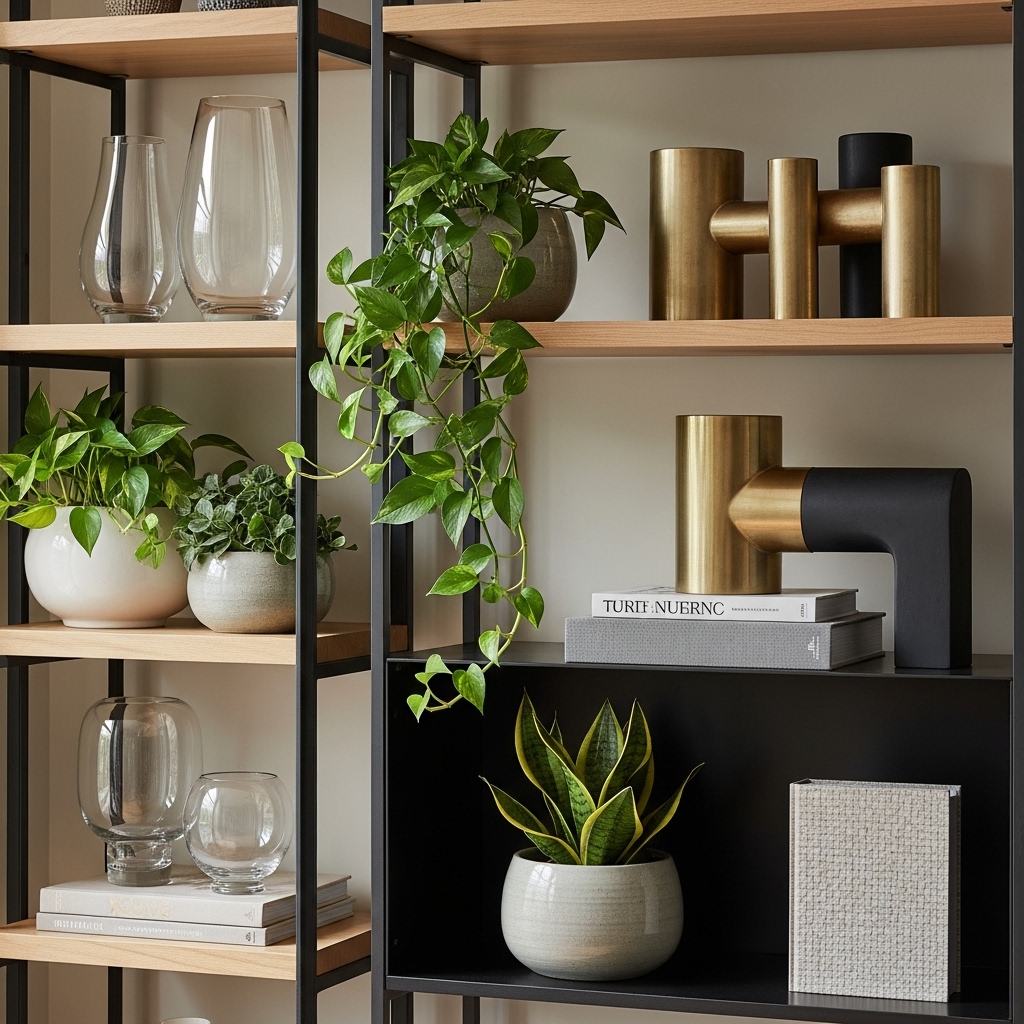
Mix Textures
Combine:
- Wood
- Metal
- Ceramic
- Glass
- greenery
- Books and textiles
Texture makes your shelves more dynamic and luxurious.
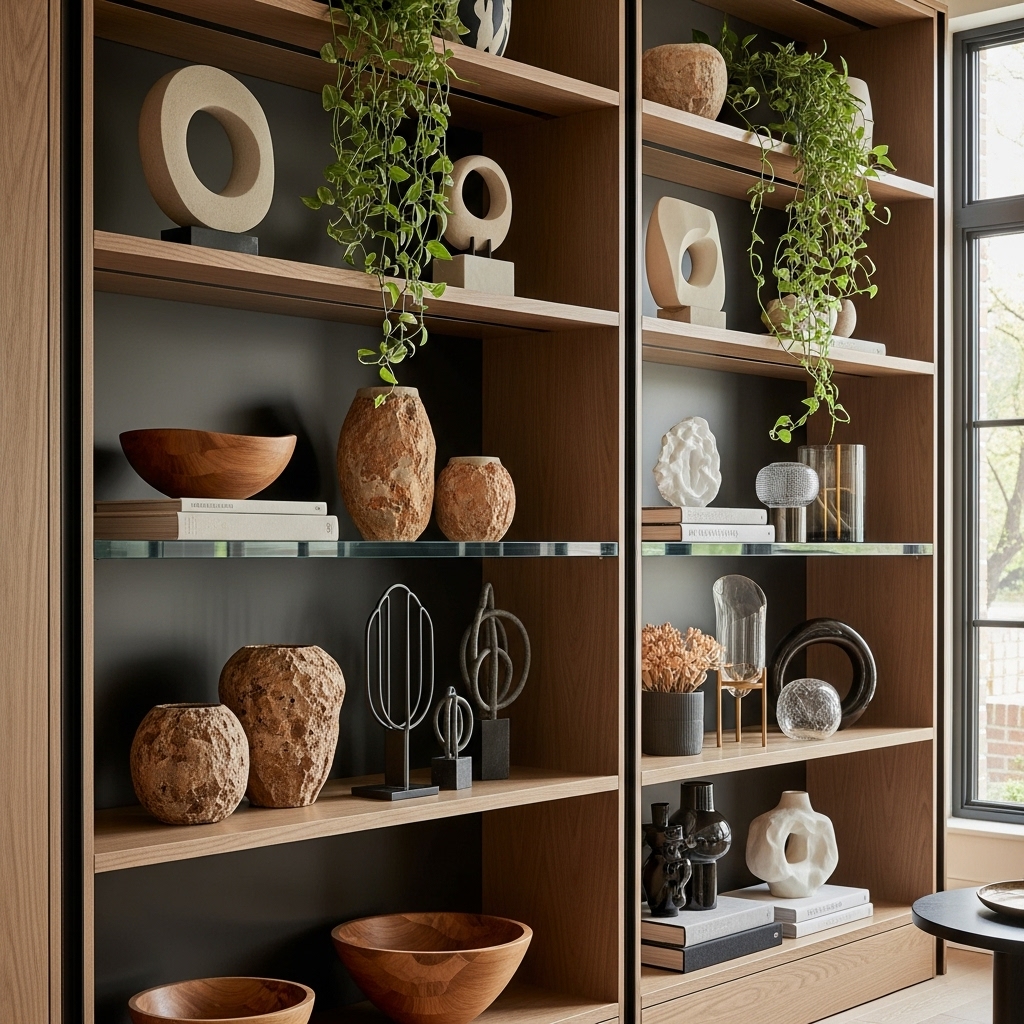
Go Minimal (If You Prefer a Clean Look)
Designer shelves don’t have to be packed. Sometimes leaving breathing room gives your décor more impact.
Incorporate Lighting
LED strip lights, small lamps, or spotlights instantly elevate built-ins and add warmth.
Final Thoughts
Styling living room shelves doesn’t require a professional interior designer—just the right approach. By mixing heights, balancing objects, adding greenery, sticking to a color palette, and editing thoughtfully, you can easily transform your shelves into a designer-level focal point.
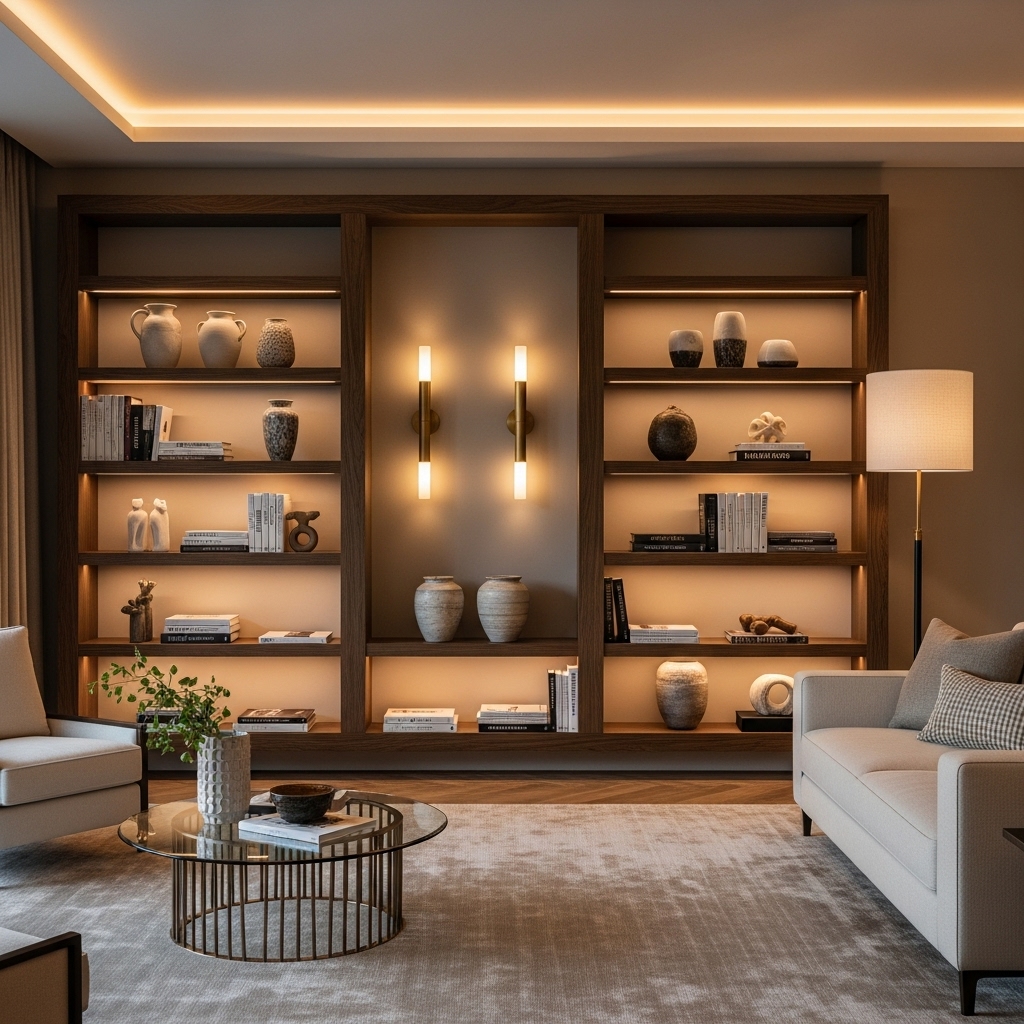
Whether your living room is modern, traditional, minimalist, or farmhouse-inspired, these living room shelf styling tips for a designer look will guide you in creating a beautiful, curated, and personalized display you’ll love seeing every day.