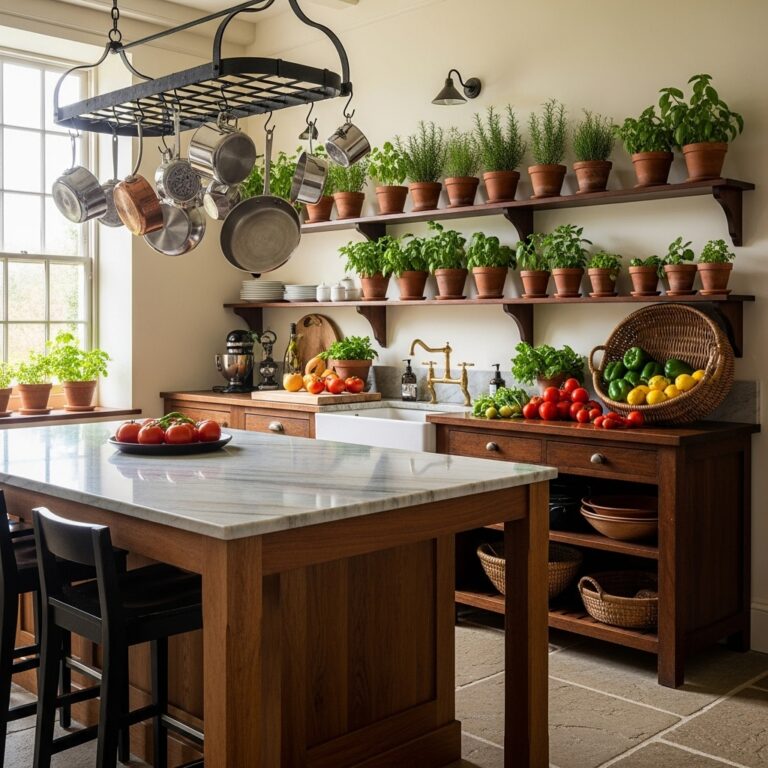
17 Kitchen Design Ideas to Transform Your Culinary Space
The modern kitchen serves as the heart of the home, where families gather, meals are prepared, and memories are made. Today’s homeowners seek designs that balance style with function, creating spaces that work hard while looking beautiful.
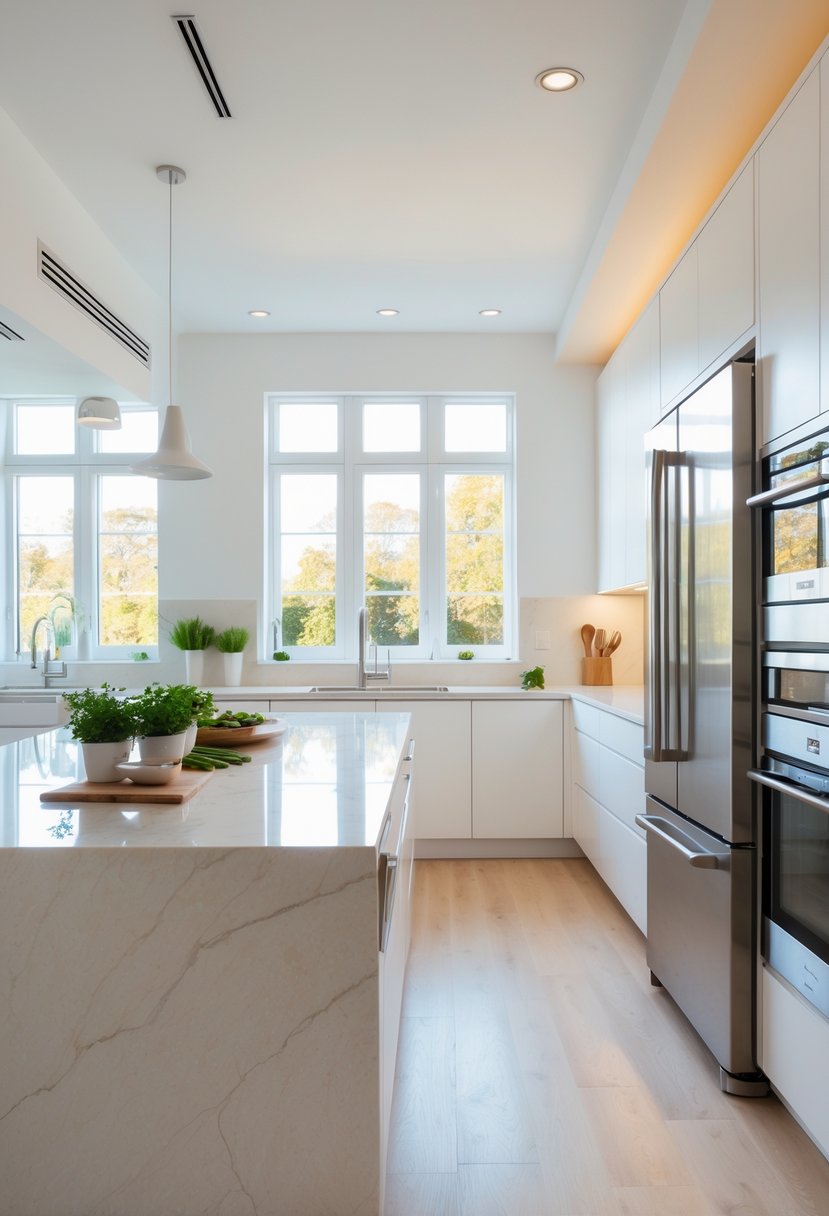
Seventeen key design elements can transform any kitchen into a stunning and efficient workspace that meets the demands of contemporary living. These elements range from layout choices and cabinet styles to lighting solutions and storage innovations. Each component plays a vital role in creating a kitchen that enhances daily routines while reflecting personal taste and lifestyle needs.
Kitchen Design Ideas
1. Open-concept kitchen layouts for spaciousness and flow
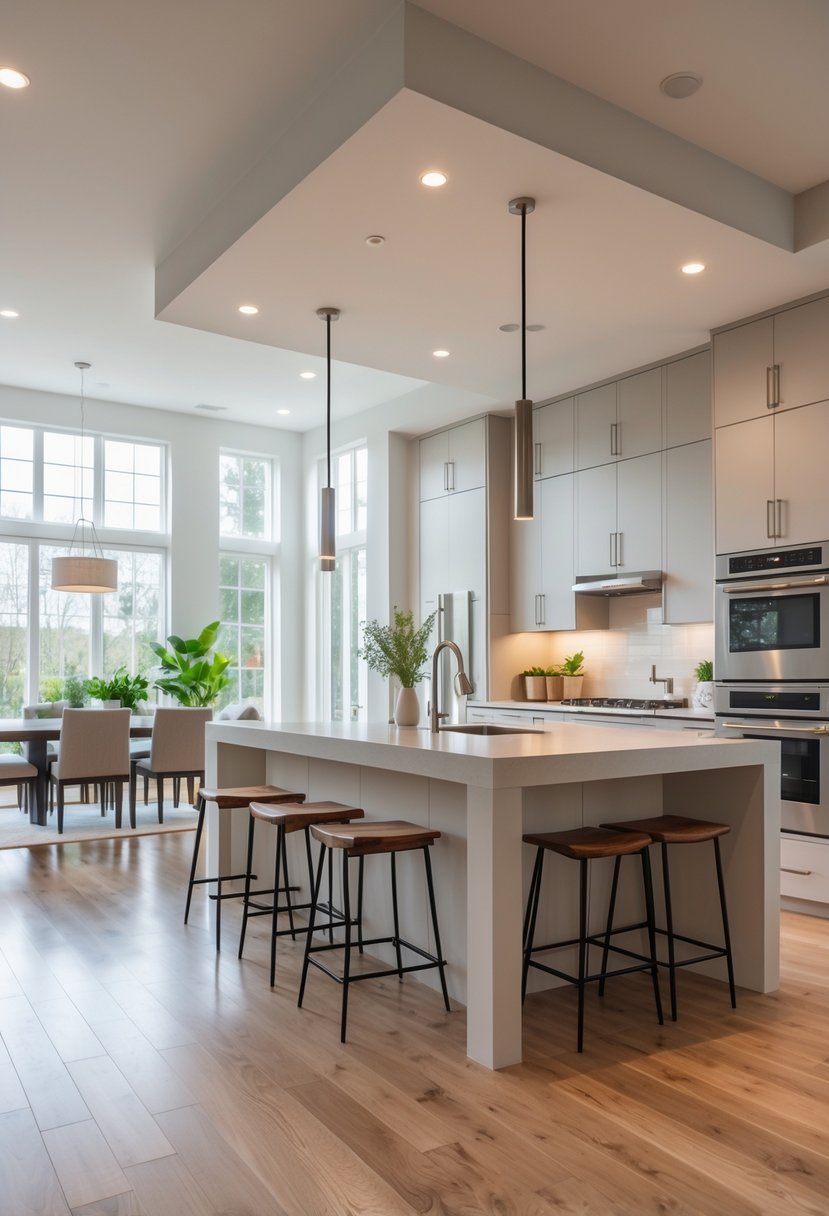
Open-concept kitchens remove walls between cooking and living areas. This creates one large connected space.
These layouts make homes feel bigger and brighter. Natural light flows better throughout the entire area.
People can talk easily while cooking and entertaining guests.
2. Two-tone kitchen cabinetry for modern contrast
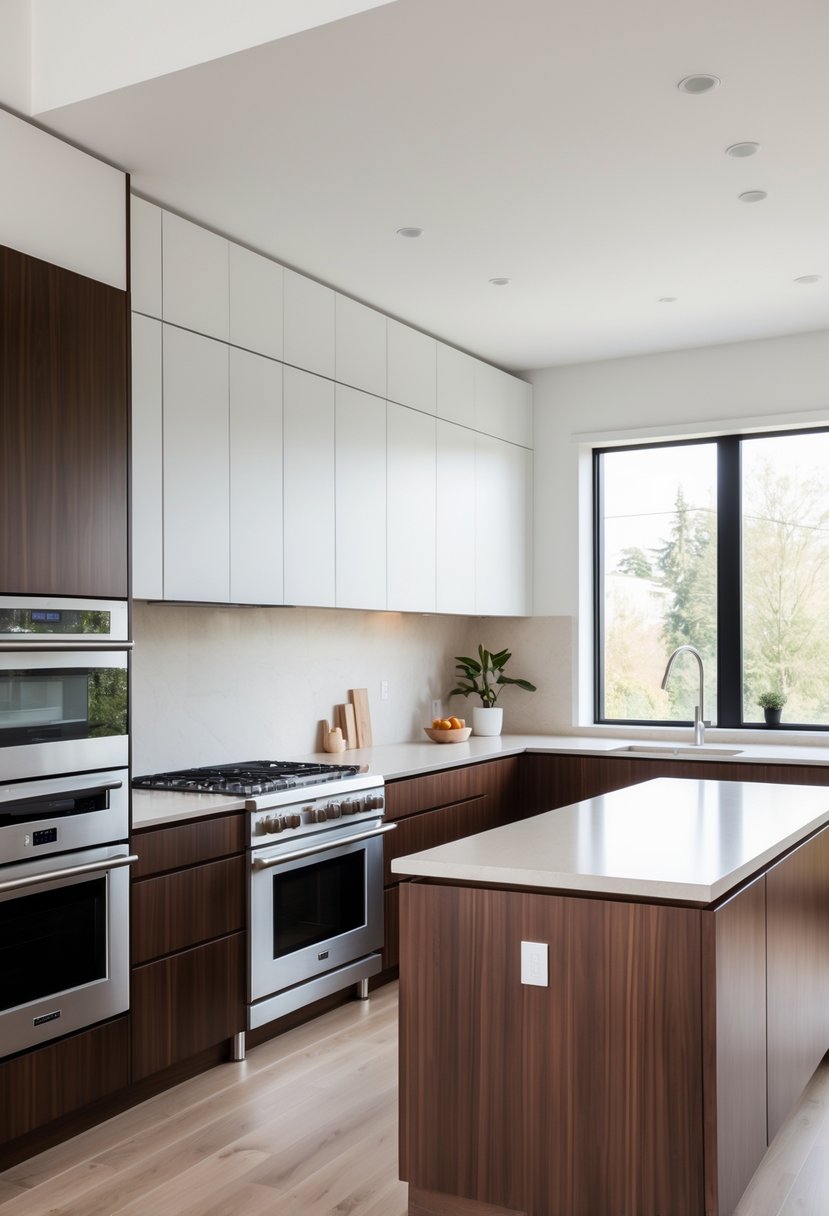
Two-tone cabinets create visual depth in modern kitchens. This design approach uses two different colors or finishes on cabinet doors.
Dark lower cabinets paired with light upper cabinets ground the space. This combination makes kitchens feel more open and airy.
3. Quartz countertops for durability and elegance
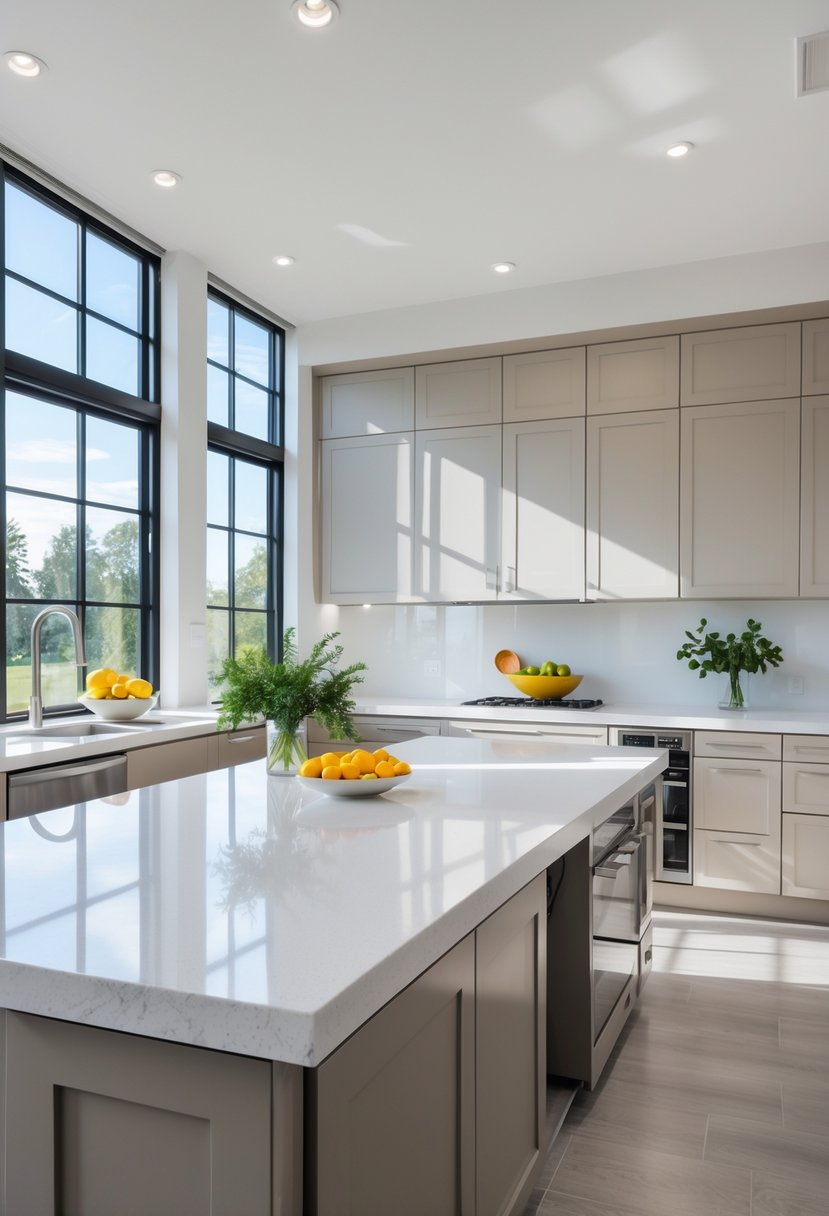
Quartz countertops combine strength with style. These engineered surfaces resist stains, scratches, and heat damage better than natural stone.
They come in many colors and patterns. Some designs look like marble or granite without the maintenance needs.
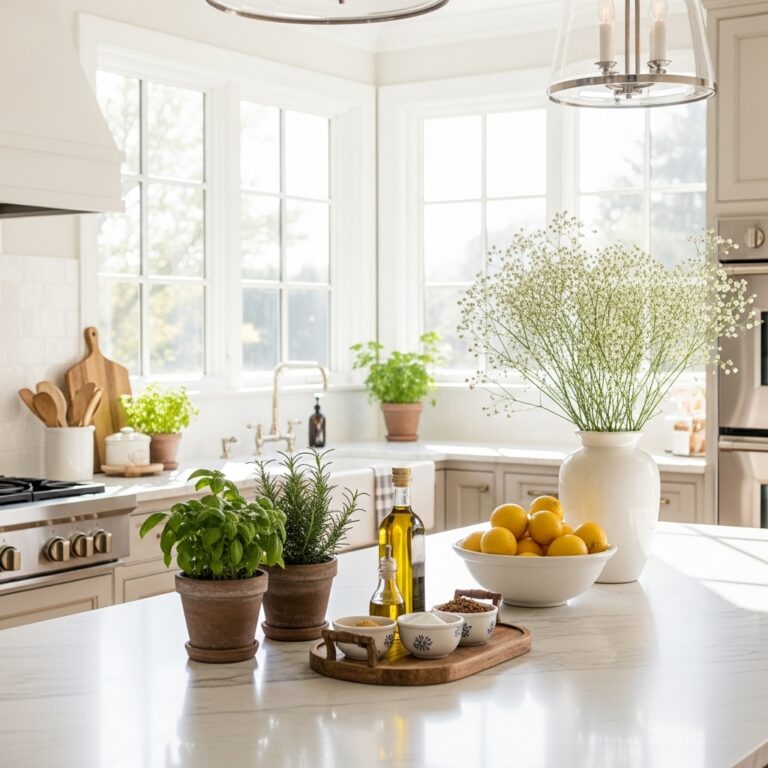
4.Kitchen Design ideas for islands with seating and storage
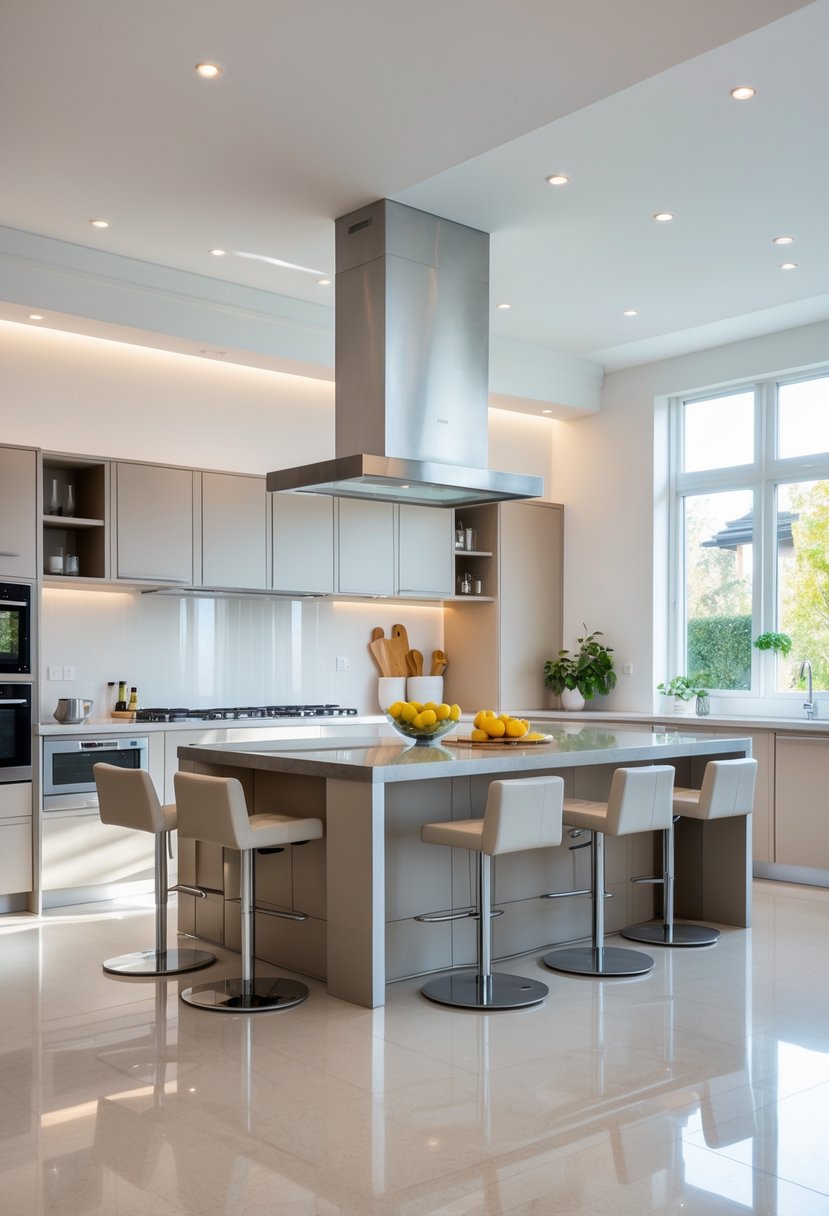
Large kitchen islands offer both seating and storage in one space. They can seat six or more people on stools or chairs.
These islands include cabinets and drawers underneath. The extra storage holds pots, dishes, and kitchen tools.
Some designs replace dining tables completely.
5. Bold backsplash designs using patterned tiles
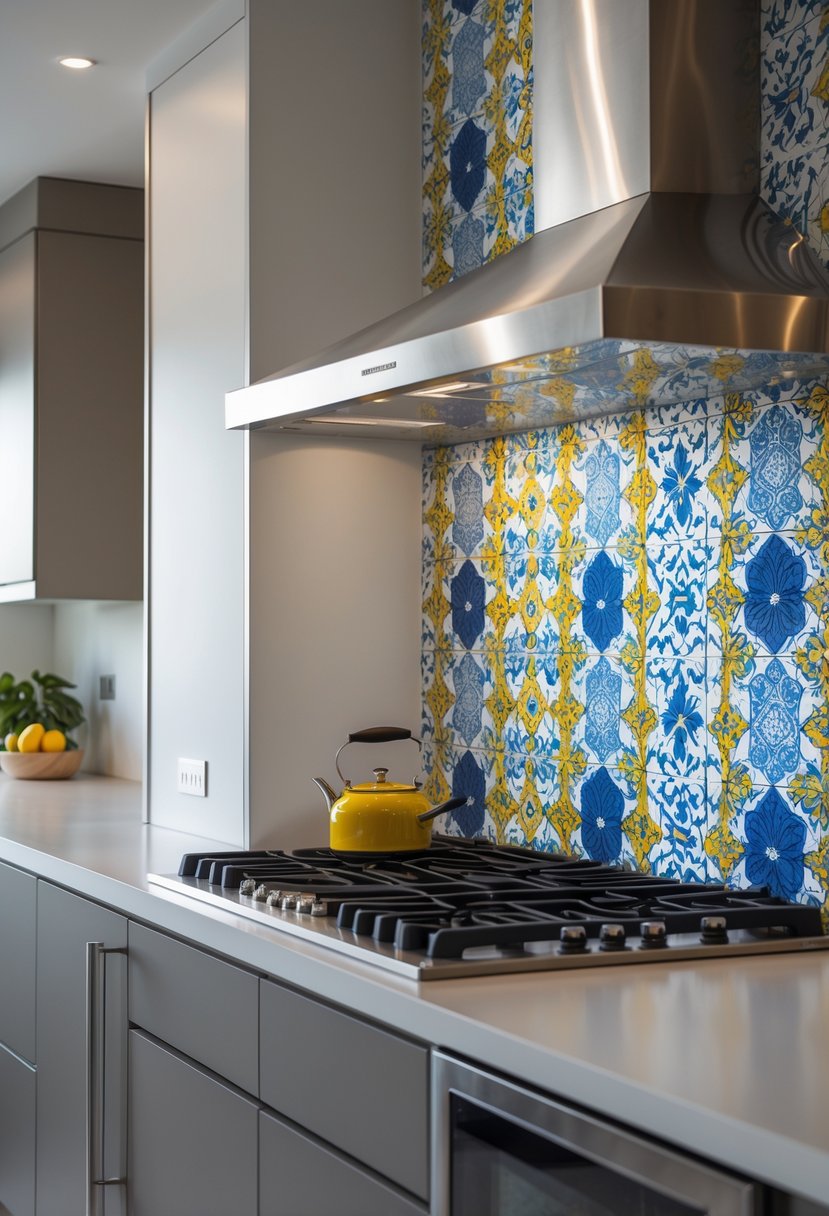
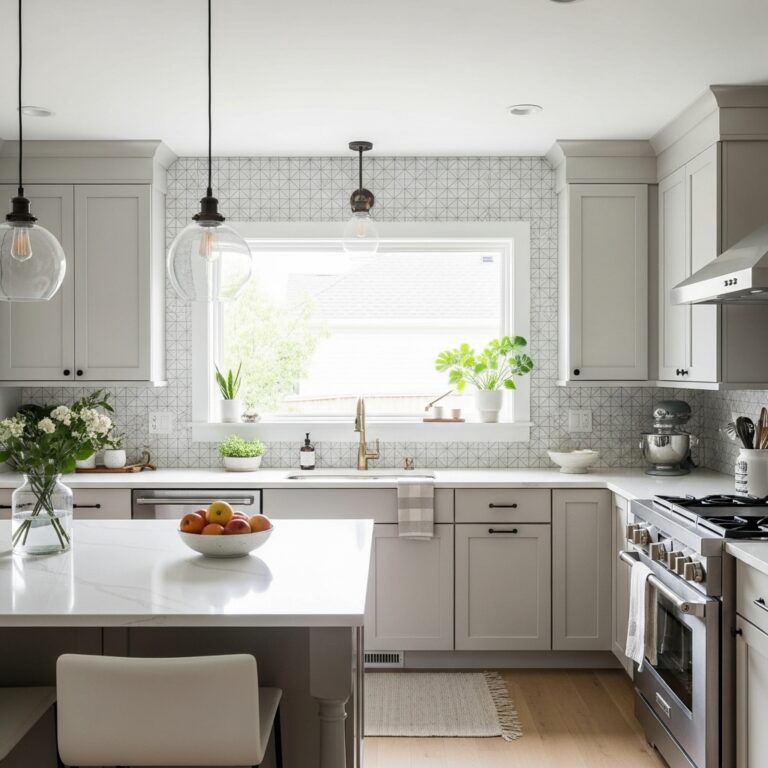
Patterned tiles create eye-catching focal points in kitchens. Geometric designs add visual interest without overwhelming the space.
Moroccan tiles bring intricate patterns and rich colors. These tiles add warmth and character that solid colors cannot match.
Hexagon patterns offer subtle elegance with modern appeal.
6. Under-cabinet LED lighting for ambiance and task lighting
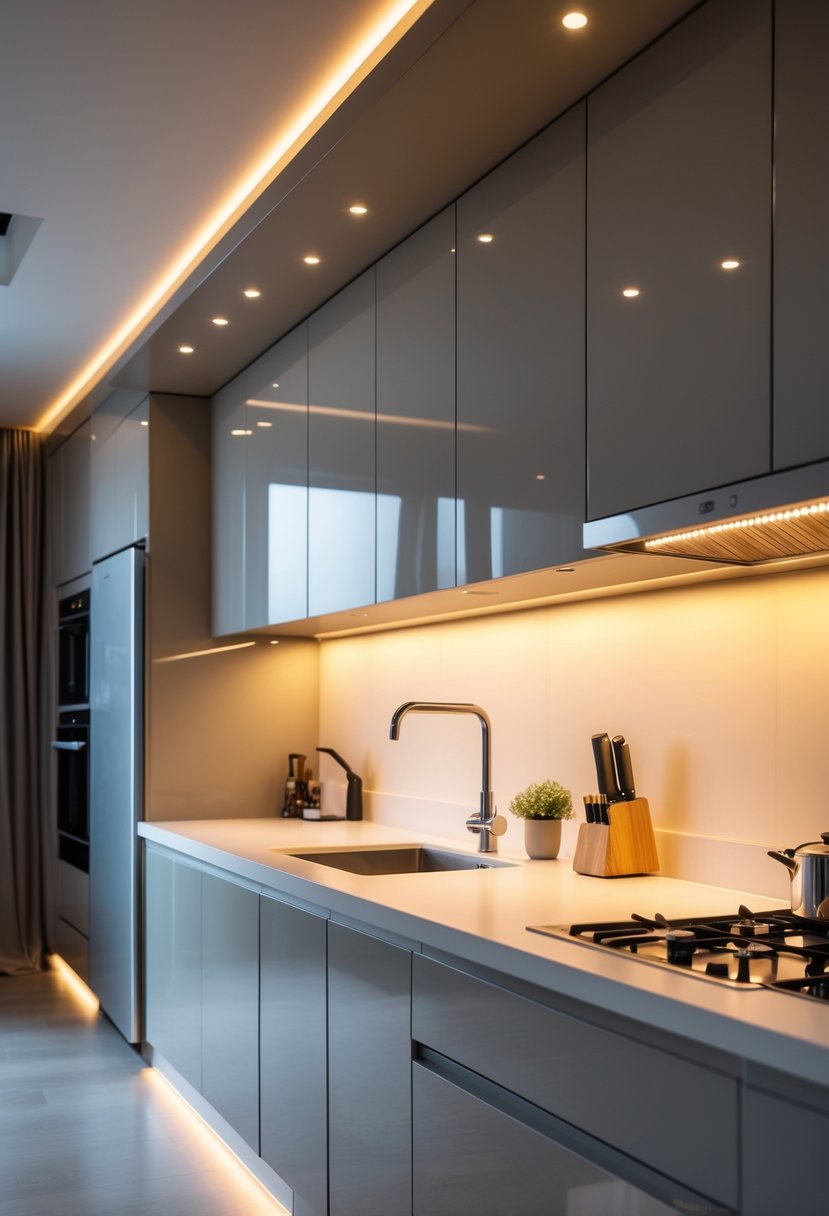
Under-cabinet LED lights serve two main purposes in kitchens. They provide bright task lighting for food preparation and cooking activities.
These lights also create warm ambiance throughout the kitchen space. LED options use less energy than traditional bulbs and last longer.
7. Integrated smart appliances for convenience
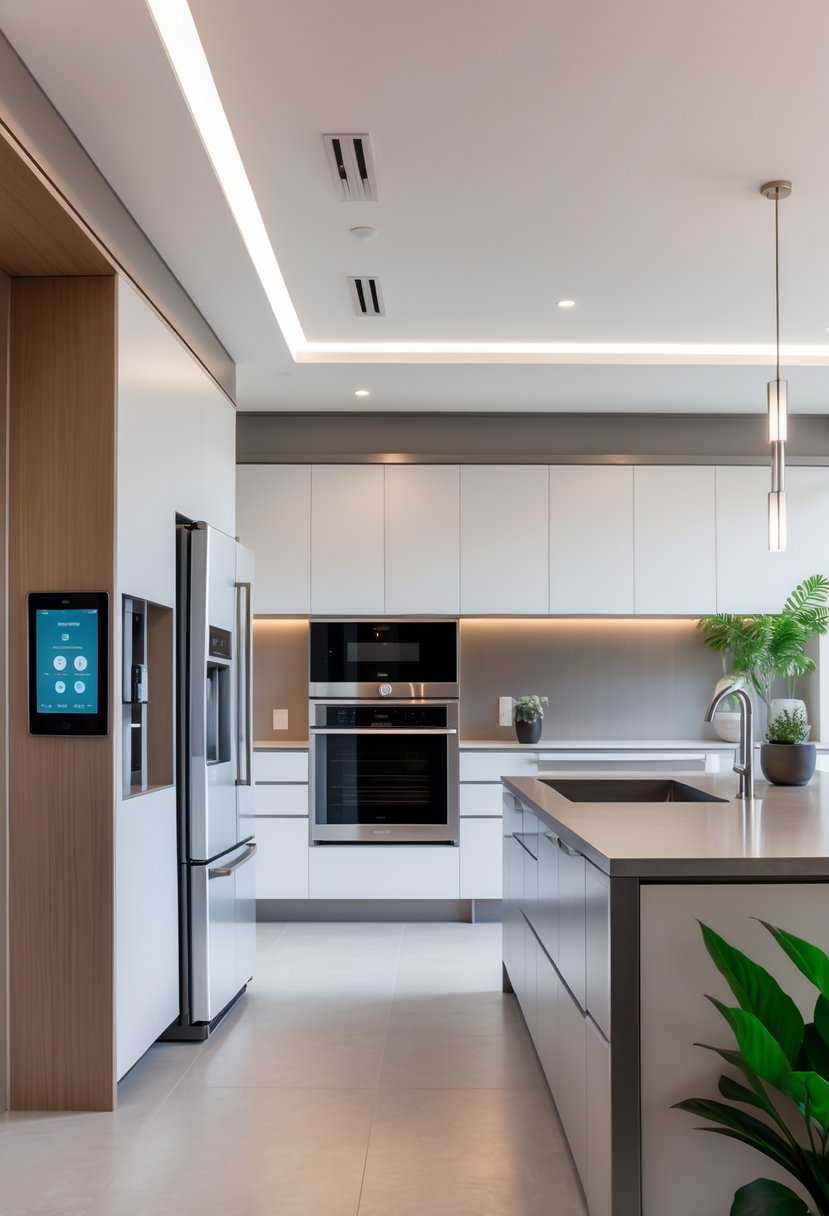
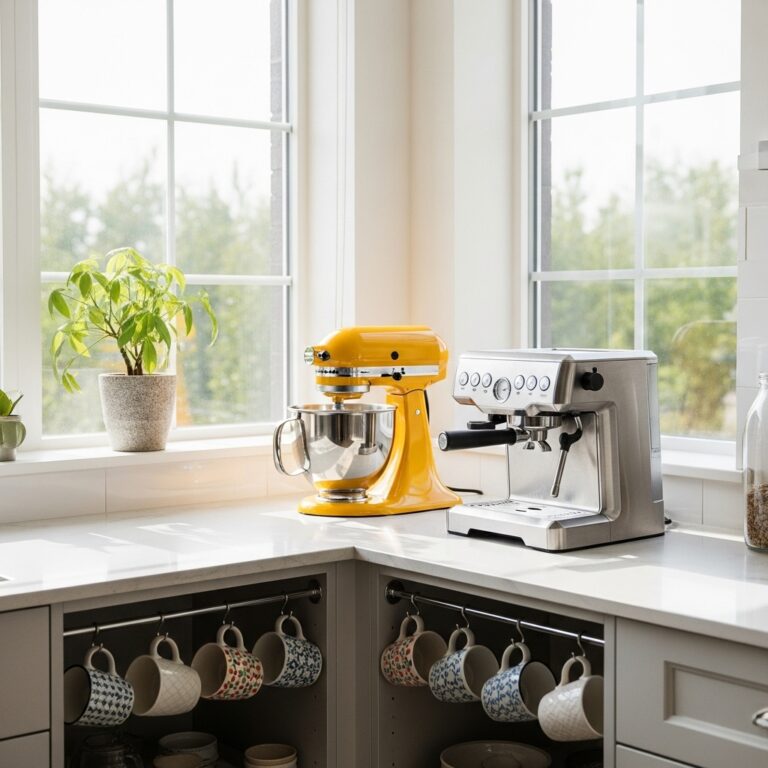
Smart appliances blend technology with daily kitchen tasks. They connect to home networks for remote control and monitoring.
Voice-activated assistants allow hands-free operation while cooking. Smart refrigerators track groceries and suggest recipes based on available ingredients.
Connected ovens can be preheated remotely before arriving home.
8. Deep farmhouse sinks for functionality and style
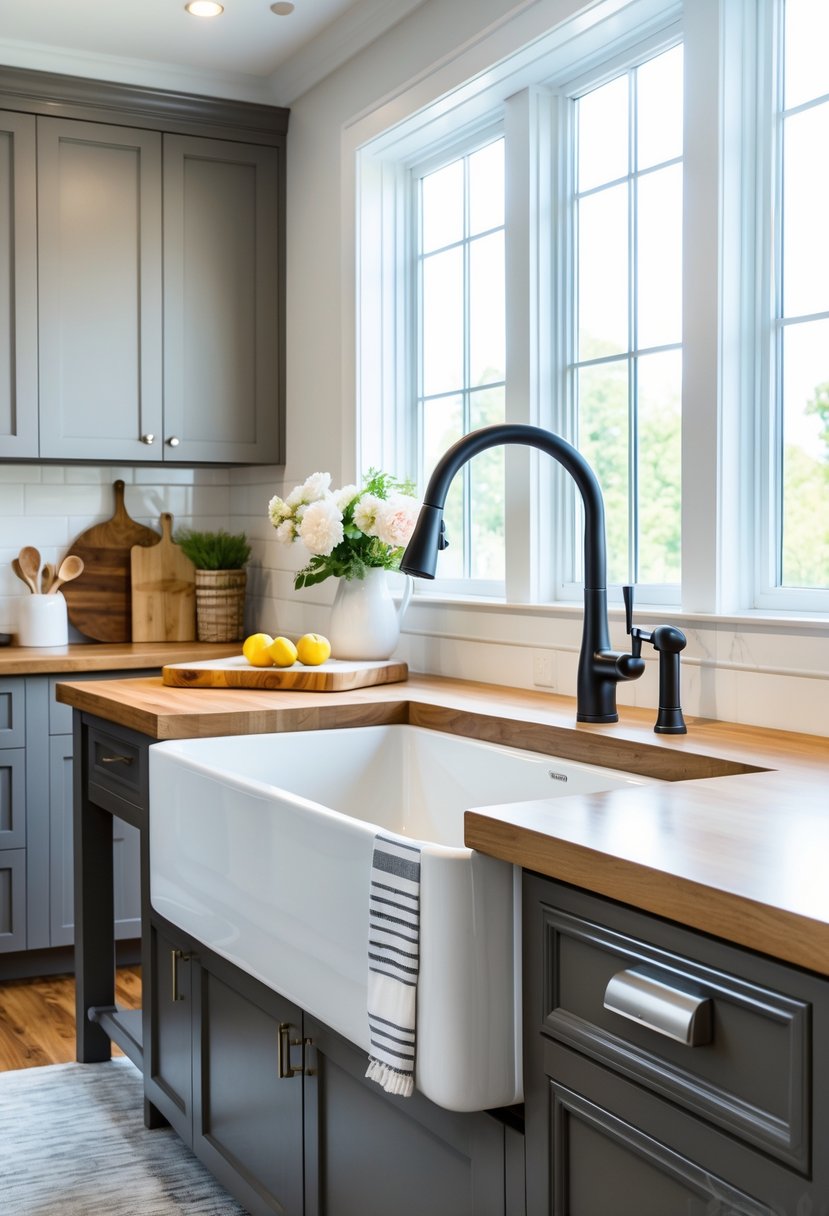
Deep farmhouse sinks offer large basins that extend beyond cabinets. These sinks typically measure 7-10 inches deep and 20-42 inches wide.
The apron-front design adds character to any kitchen style. These sinks blend rustic charm with modern functionality perfectly.
9. Mixing matte and glossy finishes for texture
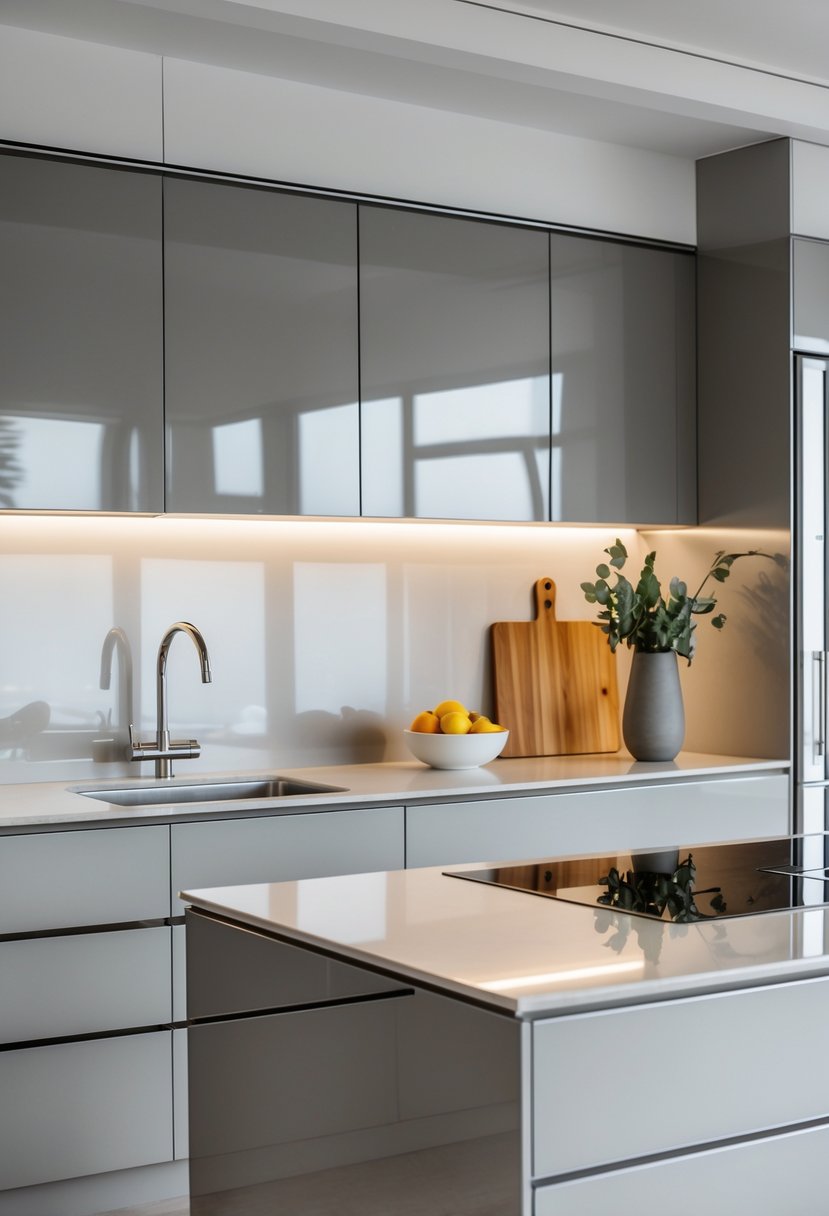
Combining matte and glossy finishes creates visual depth in kitchens. Matte surfaces absorb light and hide fingerprints well.
Glossy finishes reflect light and make spaces feel brighter. This contrast adds interest without using different colors.
Try matte cabinets with glossy countertops for balance.
10. Pull-out pantry shelves for optimized storage
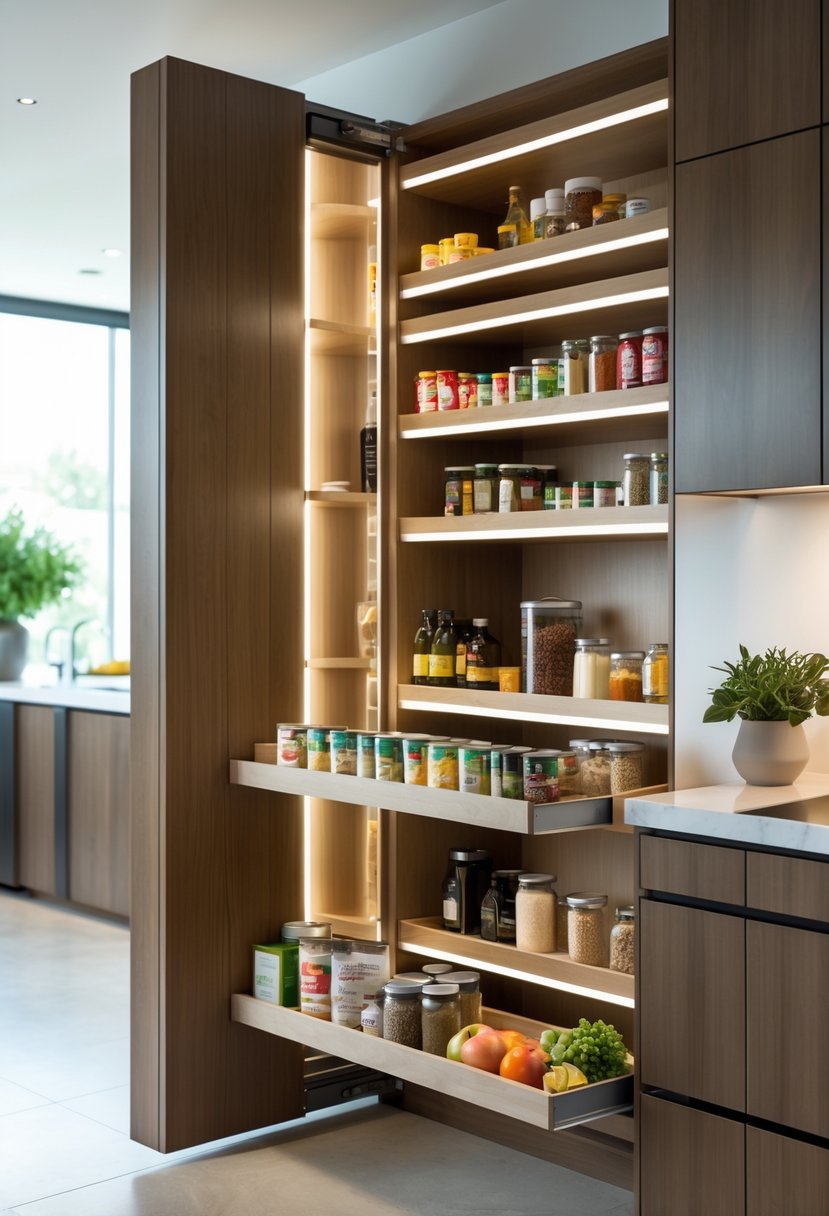
Pull-out pantry shelves transform kitchen storage by bringing items to the front with one motion. These shelves make deep cabinets fully accessible.
The system works well in narrow gaps between appliances. Vertical pull-out units maximize space in tight areas.
Adjustable shelves accommodate different container sizes.
Key Considerations for 17 Kitchen Design
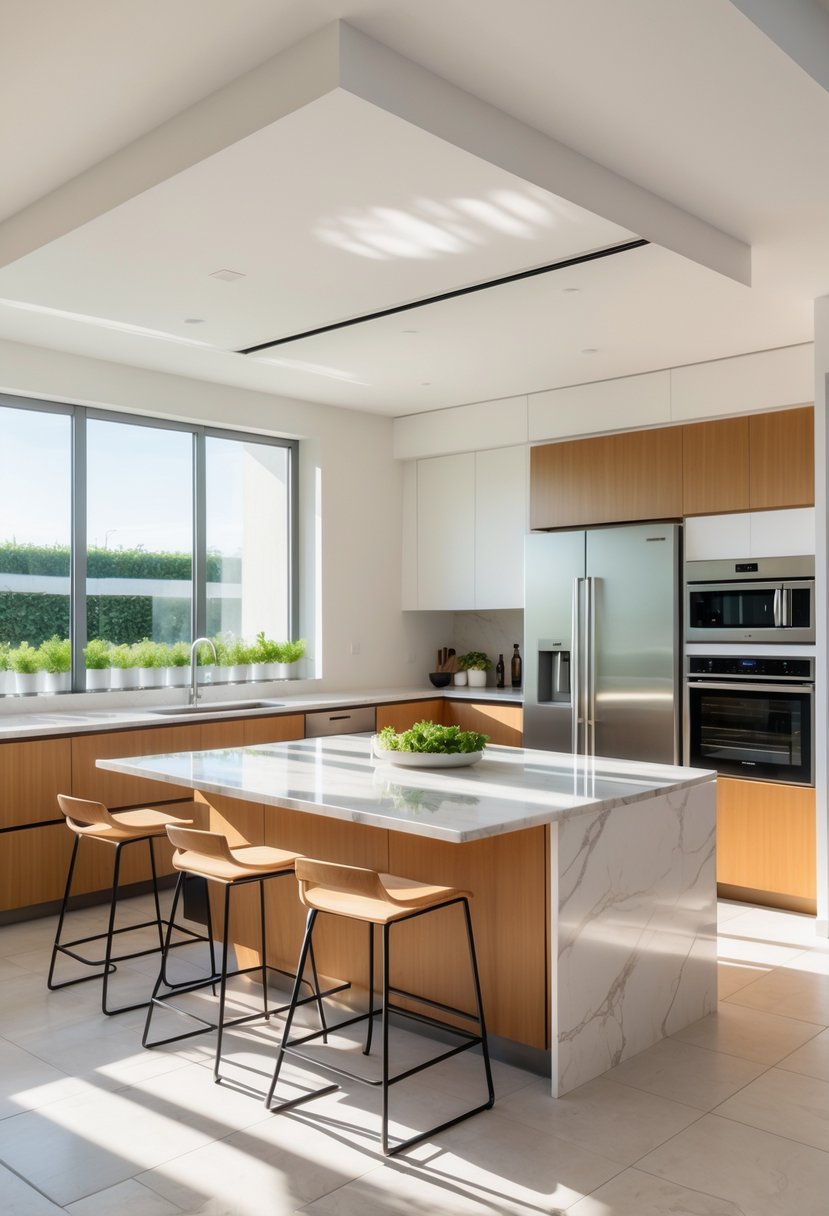
Successful 17 kitchen design depends on three main factors: making the most of available space through smart layouts, choosing materials that balance beauty with durability, and creating proper lighting and airflow systems.
Optimizing Space and Layout
The kitchen work triangle forms the foundation of efficient 17 kitchen design. This triangle connects the sink, stove, and refrigerator with paths between 4 and 9 feet long.
Common Layout Options:
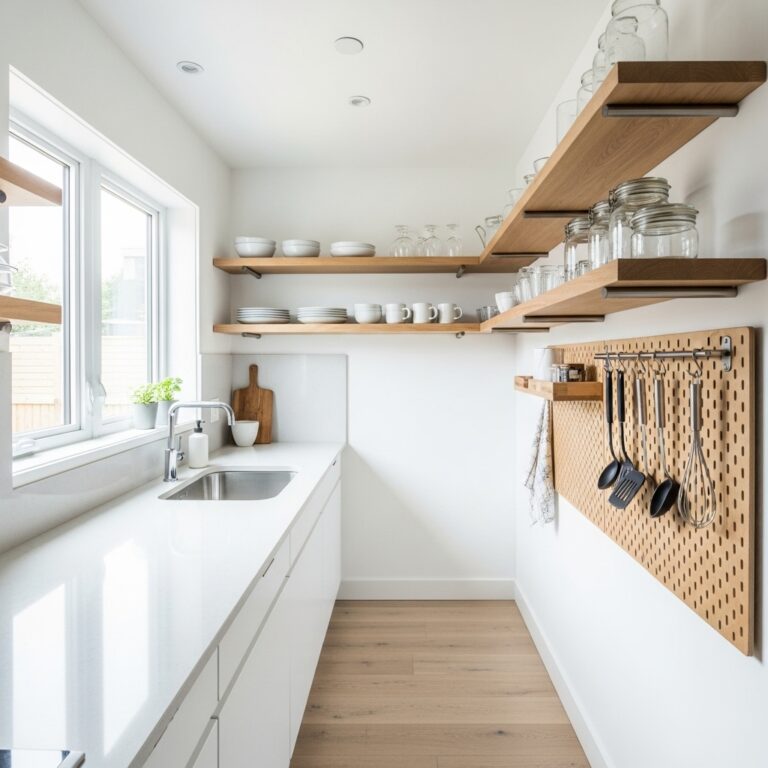
- Galley: Two parallel counters work well in narrow spaces
- L-shaped: Offers corner storage and open flow
- U-shaped: Provides maximum counter and storage space
- Island: Adds prep space and seating in larger kitchens
Counter depth should measure 24 inches for standard base cabinets. Walkways need at least 36 inches of clearance, while cooking areas require 42 inches for safe movement.
Wall cabinets mounted 18 inches above countertops create comfortable workspace. Standard ceiling height allows for 42-inch tall upper cabinets with room for crown molding.
Storage zones should group related items together. Keep pots near the stove, dishes near the dishwasher, and food prep tools close to main work areas.
Essential Materials and Finishes
Cabinet materials set the tone for the entire kitchen design. Solid wood offers durability and classic appeal, while engineered materials provide consistent quality at lower costs.
Countertop Performance Comparison:
| Material | Durability | Maintenance | Heat Resistance |
|---|---|---|---|
| Quartz | High | Low | Good |
| Granite | High | Medium | Excellent |
| Butcher Block | Medium | High | Poor |
| Laminate | Low | Low | Poor |
Flooring must handle heavy foot traffic and spills. Luxury vinyl plank resists water and feels comfortable underfoot. Ceramic tile provides durability but shows dirt in grout lines.
Backsplash materials should complement countertops without competing. Subway tiles offer timeless style, while natural stone creates texture and visual interest.
Hardware finishes like brushed nickel and matte black hide fingerprints better than polished options. Choose one main finish and stick with it throughout the space.
Lighting and Ventilation Strategies
Task lighting eliminates shadows on work surfaces through under-cabinet LED strips. These lights should run the full length of countertops for even coverage.
Pendant lights over islands need 30-36 inches of clearance above the surface. Space multiple pendants 24-30 inches apart for balanced illumination.
Ventilation Requirements:
- Range hoods should move 100 CFM per linear foot of cooktop
- Ductwork needs smooth, short runs to outside walls
- Make-up air systems prevent negative pressure in tight homes
Ambient lighting creates overall room brightness through recessed cans or flush-mount fixtures. Place recessed lights 4-6 feet apart for uniform coverage.
Natural light from windows reduces energy costs and improves mood. Windows over sinks provide views during cleanup tasks.
Exhaust fans remove cooking odors and moisture that can damage cabinets. Variable speed controls adjust airflow based on cooking intensity.
Integrating Modern Features in 17 Kitchen Design
Today’s kitchens blend cutting-edge technology with eco-conscious materials to create spaces that work smarter and cleaner. Smart appliances and sustainable materials transform how homeowners cook, clean, and manage their kitchen spaces.
Incorporating Smart Technology
Smart refrigerators display calendars, play music, and track food expiration dates through built-in touchscreens. These appliances connect to home Wi-Fi networks and send alerts to smartphones when groceries run low.
Voice-activated assistants control lighting, adjust oven temperatures, and set cooking timers without touching any buttons. Homeowners can dim lights or preheat ovens while their hands are busy preparing meals.
Smart faucets activate with motion sensors and dispense precise water amounts for cooking. They reduce water waste and keep kitchen counters cleaner by eliminating the need to touch handles with messy hands.
Induction cooktops offer precise temperature control and energy efficiency. They heat pans directly through magnetic fields, making cooking faster and safer than traditional gas or electric burners.
Sustainable Solutions and Eco-Friendly Options
Energy-efficient appliances reduce electricity bills and environmental impact. ENERGY STAR-rated dishwashers use 12% less energy than standard models while maintaining cleaning performance.
LED lighting lasts 25 times longer than traditional bulbs and uses 75% less energy. Under-cabinet LED strips provide task lighting without generating excess heat in the kitchen.
Recycled glass countertops offer durability and unique visual appeal. These surfaces resist stains and scratches while giving new life to waste materials.
Low-VOC paints and finishes improve indoor air quality by reducing harmful chemical emissions. Bamboo cabinetry grows faster than traditional hardwoods, making it a renewable choice for kitchen storage.
Frequently Asked Questions
Homeowners planning kitchen renovations often have specific questions about layouts, bar counters, and budget-friendly options. These common concerns focus on maximizing space while incorporating popular design elements like islands and modern bar features.
What are some space-efficient layouts for a 12×17 kitchen?
A galley layout works well in a 12×17 kitchen by placing cabinets and appliances along two parallel walls. This creates a clear work triangle between the sink, stove, and refrigerator.
An L-shaped layout maximizes corner space and opens up the center of the room. This design allows for a small island or peninsula if desired.
The U-shaped layout provides maximum storage and counter space. It uses three walls and works best when the kitchen opening is at least 8 feet wide to avoid feeling cramped.
How can I incorporate a bar counter into a small kitchen design?
A peninsula extension from existing counters creates bar seating without taking up floor space. This works especially well with L-shaped layouts.
Wall-mounted breakfast bars fold down when not in use. These save space in tiny kitchens while still providing casual dining options.
Kitchen islands with raised sections offer bar seating on one side and workspace on the other. The island should be at least 4 feet long to accommodate both functions effectively.
What are budget-friendly kitchen remodel ideas that maximize space?
Painting existing cabinets costs much less than replacing them entirely. Light colors make small kitchens appear larger and brighter.
Adding pull-out drawers to existing cabinets improves storage without major construction. These maximize access to deep cabinet spaces.
Open shelving replaces some upper cabinets to create visual space. This works best for displaying attractive dishes and frequently used items.
Installing under-cabinet lighting brightens work surfaces without expensive electrical work. LED strips provide good task lighting at low cost.
What floor plan options are available for a kitchen with a bar counter?
The galley-plus layout adds a bar counter perpendicular to one end of the galley. This creates casual seating without blocking the main work area.
An island bar sits in the center of the kitchen with seating on one or more sides. The island should be at least 42 inches high for comfortable bar-style dining.
Peninsula bars extend from existing counters to create an L or U shape. These work well in smaller spaces where a full island would be too crowded.
Two-level islands feature standard counter height for food prep and bar height for seating. This design clearly separates work and dining areas.
Can you provide examples of kitchen designs that include both an island and a bar counter?
Large kitchens can accommodate a central island for food prep plus a separate bar peninsula. The island handles cooking tasks while the bar provides casual dining space.
Two-tier islands combine both functions in one feature. The lower level serves as workspace while the raised section creates bar seating.
Corner bar arrangements place the bar counter in an L-shaped configuration with the island. This works when the kitchen has enough space for both elements without crowding.
Some designs use the island for storage and prep work while a window bar counter provides seating. This arrangement takes advantage of natural light for the dining area.
What are the latest trends in kitchen bar counter design?
Waterfall countertops extend the surface material down the sides of the island or bar. This creates a seamless, modern look with materials like quartz or granite.
Mixed materials combine different surfaces for contrast. Wood bar tops pair with stone islands, or concrete counters complement marble backsplashes.
Integrated appliances hide wine coolers or mini fridges within bar areas. These features support entertaining without cluttering the main kitchen workspace.
Bold lighting fixtures above bar counters serve as design focal points. Pendant lights or chandeliers define the dining area and provide task lighting.
Two-tone designs use different colors or materials for bar areas versus main counters. This creates visual interest while maintaining design cohesion throughout the space.