9 Bedroom Decor Ideas to Transform Your Space Effortlessly
Decorating a bedroom can greatly affect how comfortable and inviting the space feels. Many people want their bedroom to reflect their personal style while remaining practical and relaxing. Choosing the right decor helps set the mood and make the room enjoyable to spend time in.
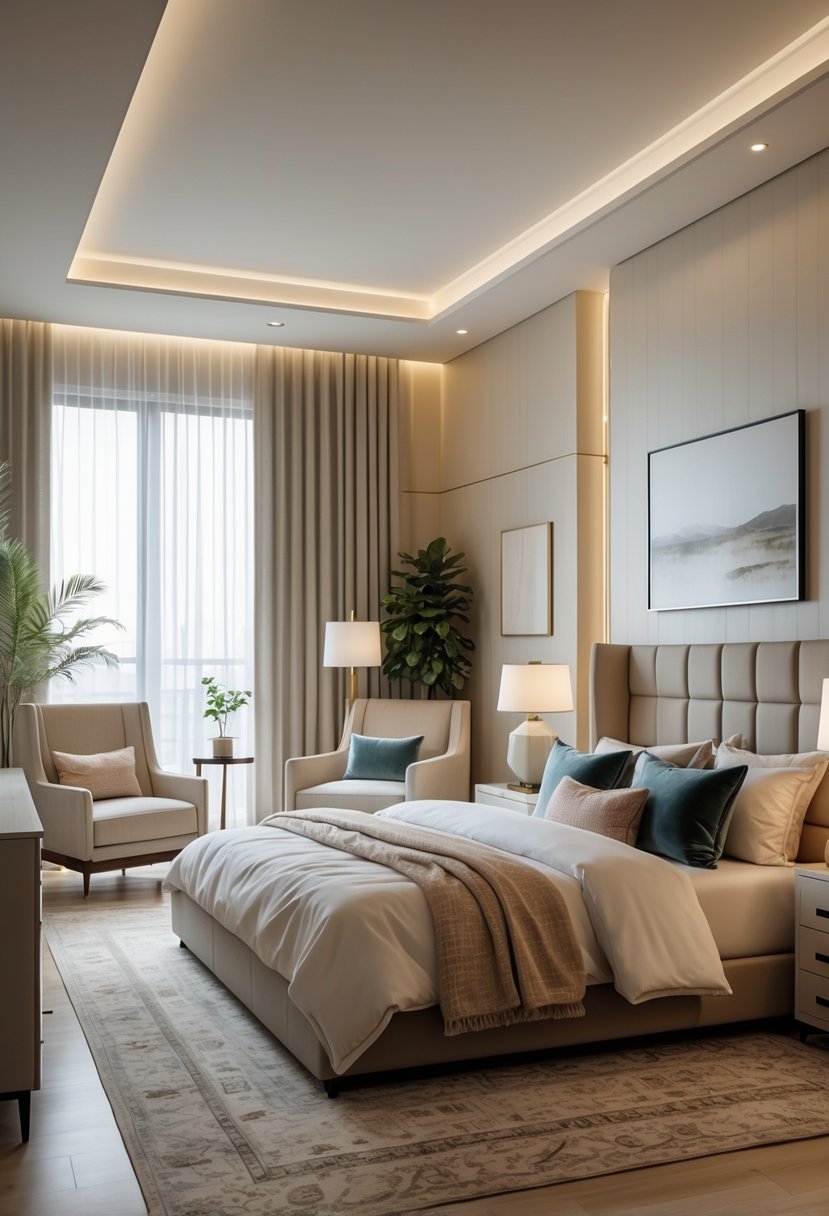
9 bedroom decor ideas offer practical and stylish ways to improve any bedroom, regardless of size or style. These ideas provide simple ways to refresh a room, making it more functional and visually appealing without overwhelming the space. They can inspire anyone looking to enhance their bedroom environment.
1) Use muted earth tones for a calming atmosphere
9 Bedroom Decor Ideas
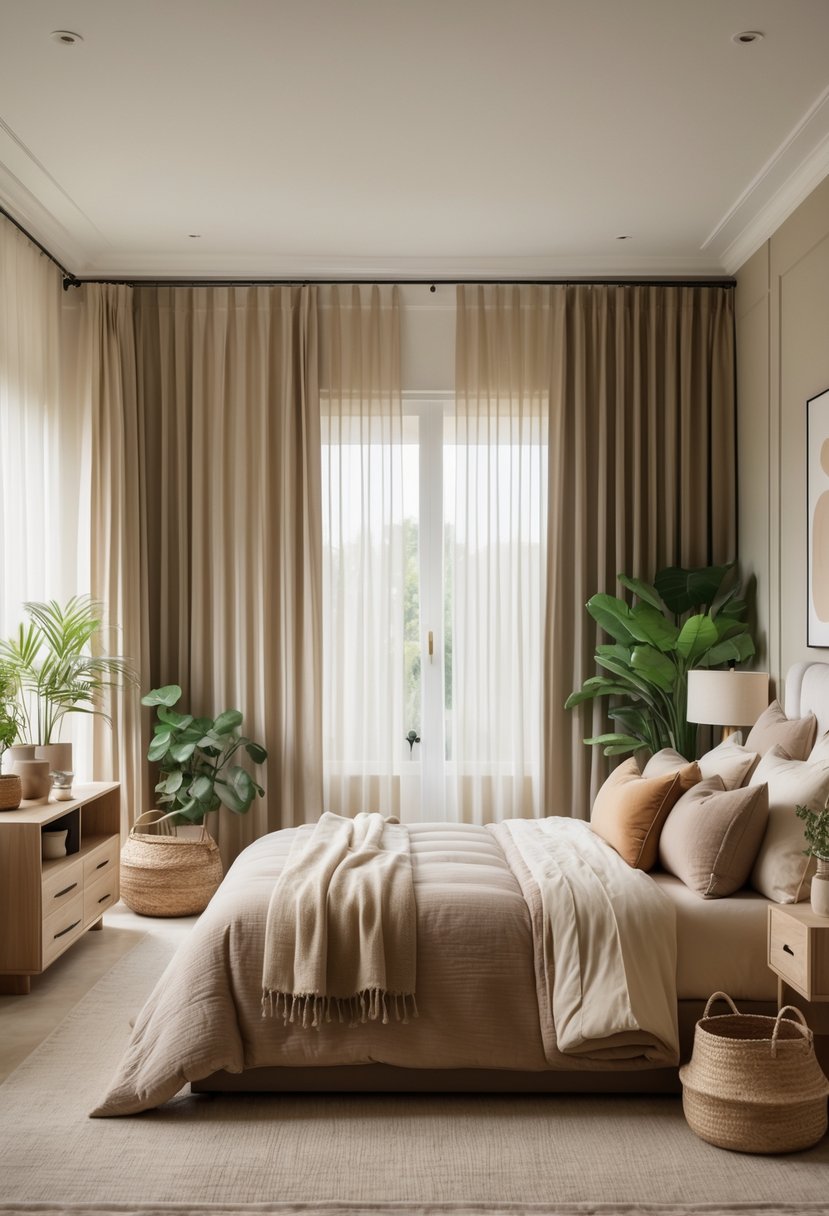
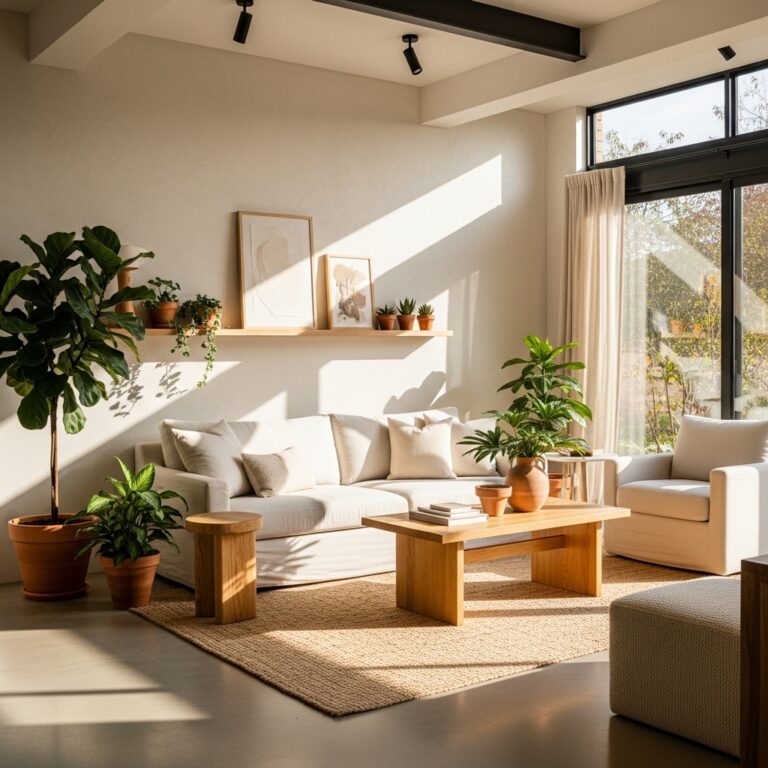
Muted earth tones create a peaceful and relaxing bedroom environment. Colors like soft browns, warm beiges, and gentle greens mimic natural elements such as wood, sand, and leaves. These tones help reduce visual clutter and promote calmness.
Using earth tones on walls, bedding, or furniture can balance warmth and simplicity. They work well with natural materials like wood and linen to reinforce a grounded feeling. This makes the bedroom feel inviting without being overwhelming.
Soft, earthy hues also adapt easily to different styles. They suit minimalist designs as well as cozy, layered looks. By choosing muted earth tones, the room becomes a tranquil retreat that encourages rest and relaxation.
For ideas on how to use these colors effectively, see 46 Earth Tone Bedroom Ideas or 25 Cozy Earthy Bedroom Ideas. Both offer practical tips for combining colors and textures to create a calming atmosphere.
2) Incorporate layered lighting with sconces and pendant lights
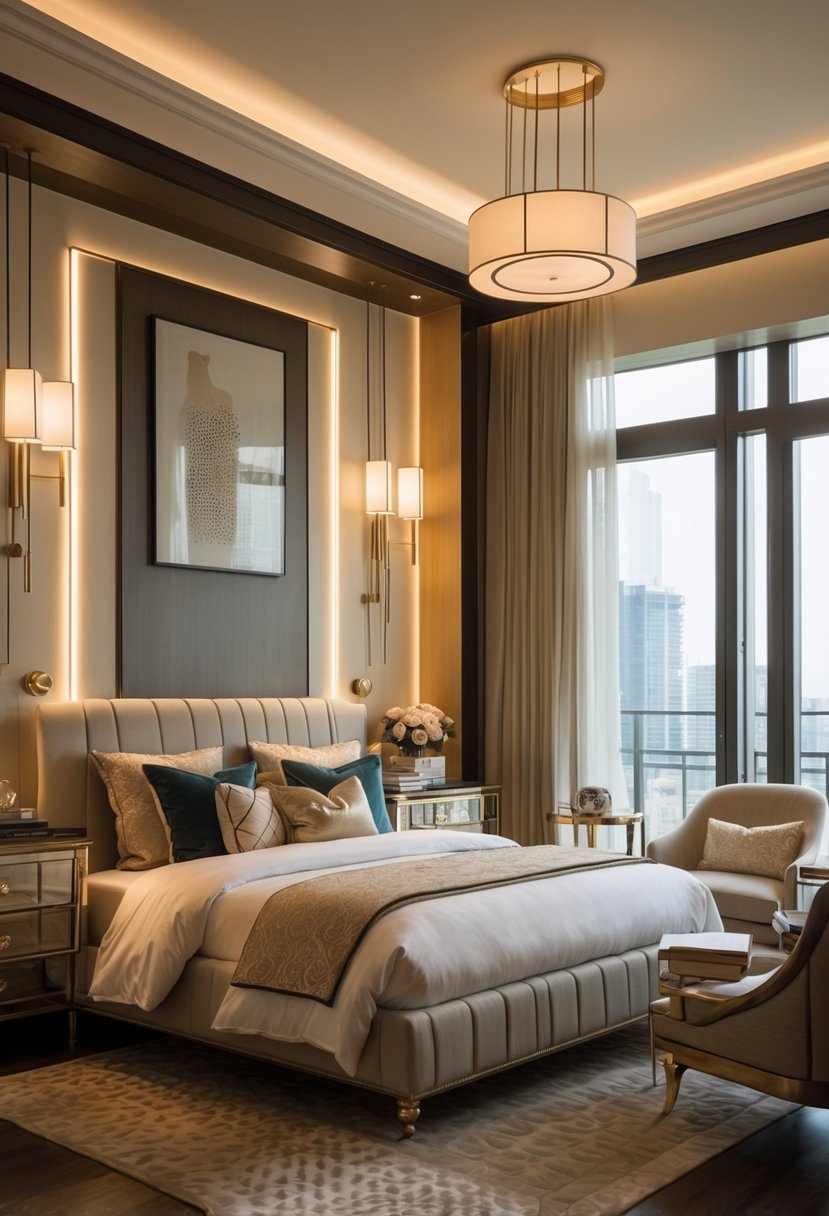
Layered lighting uses different light sources at various levels to create depth and balance. Adding wall sconces alongside pendant lights helps spread light evenly and adds style.
Sconces can highlight walls or artwork while providing soft, indirect light. Pendant lights offer focused illumination and work well above bedside tables or seating areas.
Combining these with a central ceiling light or recessed lighting creates flexibility. It allows adjusting the mood and function depending on the time of day or activity.
This method prevents harsh shadows and makes the bedroom feel warm and inviting. It also enhances comfort by giving options for reading or relaxing without too much brightness.
For more ideas on layering light using sconces and pendant fixtures, see this guide on how to layer lighting.
3) Install a statement headboard in velvet or leather
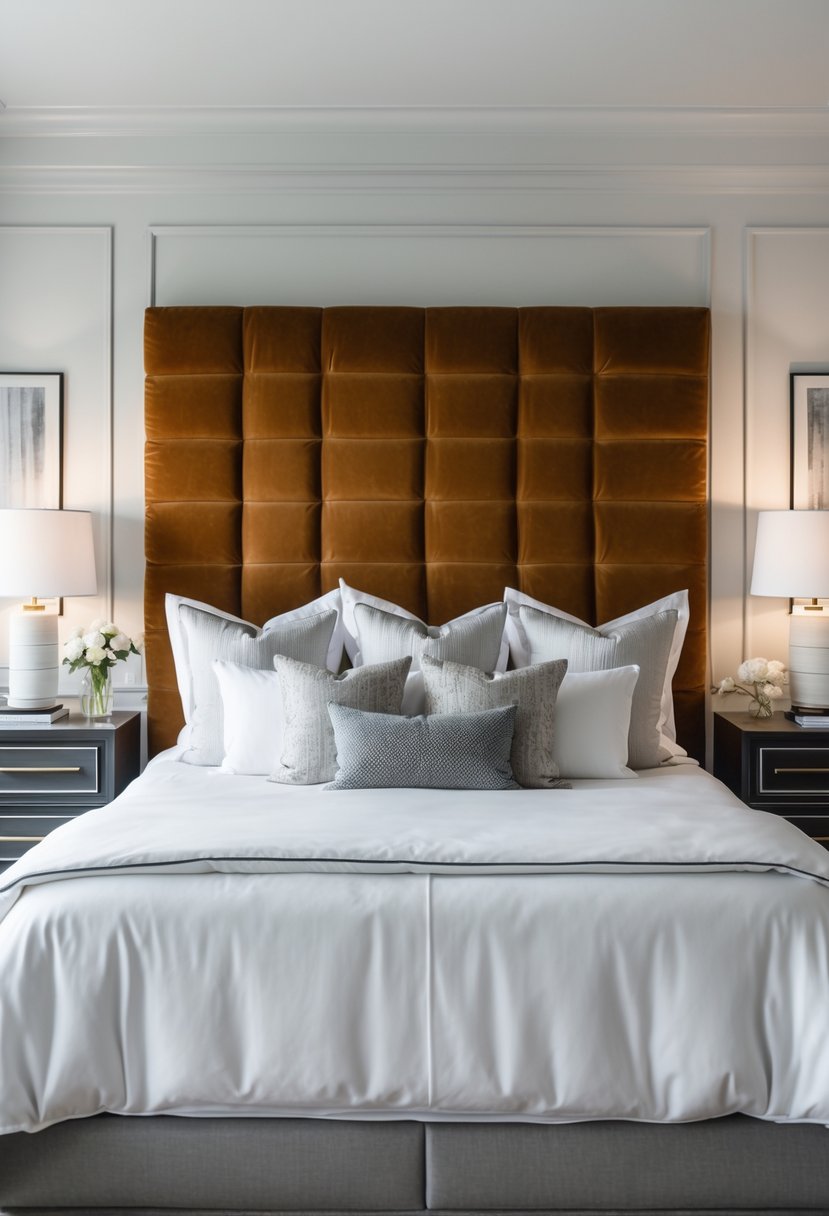
A statement headboard in velvet or leather adds a strong visual appeal to any bedroom. These materials bring texture and a feeling of luxury without being overly flashy. Velvet offers softness and depth, while leather gives a sleek and modern look.
Velvet headboards often come in rich colors like deep blue, emerald, or charcoal. Their soft surface invites comfort and warmth. Leather, on the other hand, makes a room feel polished and durable. It works well in minimalist and industrial styles.
Both options can easily become the focal point of a bedroom. A tall, tufted velvet headboard can create a cozy yet elegant atmosphere. Meanwhile, a smooth leather headboard adds sophistication and is easy to clean.
Choosing a statement headboard in these materials is a practical way to refresh bedroom decor. It improves both style and comfort. For more design ideas on bold headboards, see 9 statement headboard ideas for a stylish bedroom.
4) Add textured rugs to create warmth and depth
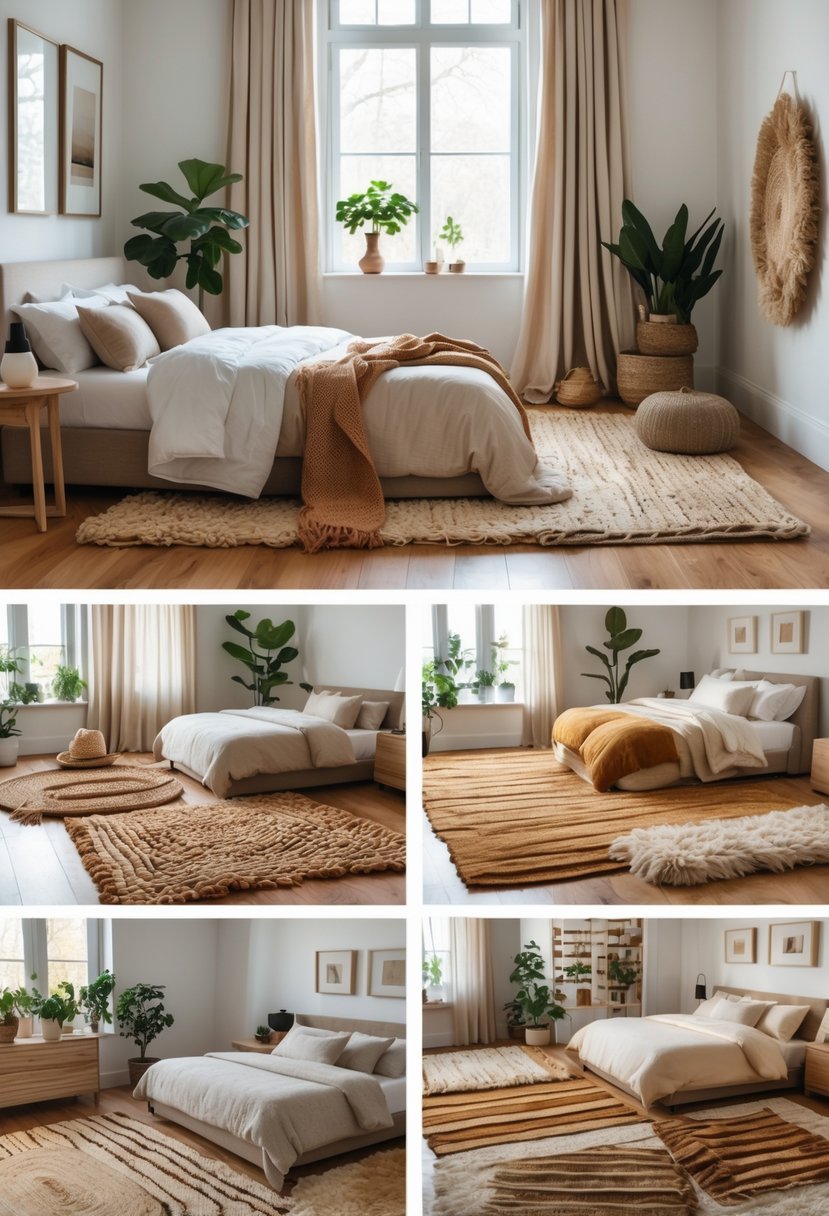
Textured rugs bring an important layer of warmth to a bedroom. They make the room feel cozier without adding clutter. Using rugs with materials like wool, jute, or viscose adds natural texture and comfort underfoot.
Choosing rugs with soft, neutral colors helps maintain a calm look. They can blend with many styles, from modern to rustic. Oversized rugs that extend beyond the bed frame add a sense of space and softness.
Layering rugs is another way to create depth. Combining different sizes and textures gives a dynamic feel to the floor area. This technique works well to highlight wooden or tile flooring.
Adding a textured rug can change the mood of the room. Rugs provide warmth in cooler months and reduce noise in any season. They offer both practical benefits and visual interest, making the bedroom more inviting and balanced.
More ideas on using textured rugs can be found in this guide on bedroom rug ideas for layering and texture.
5) Use multifunctional furniture with built-in storage
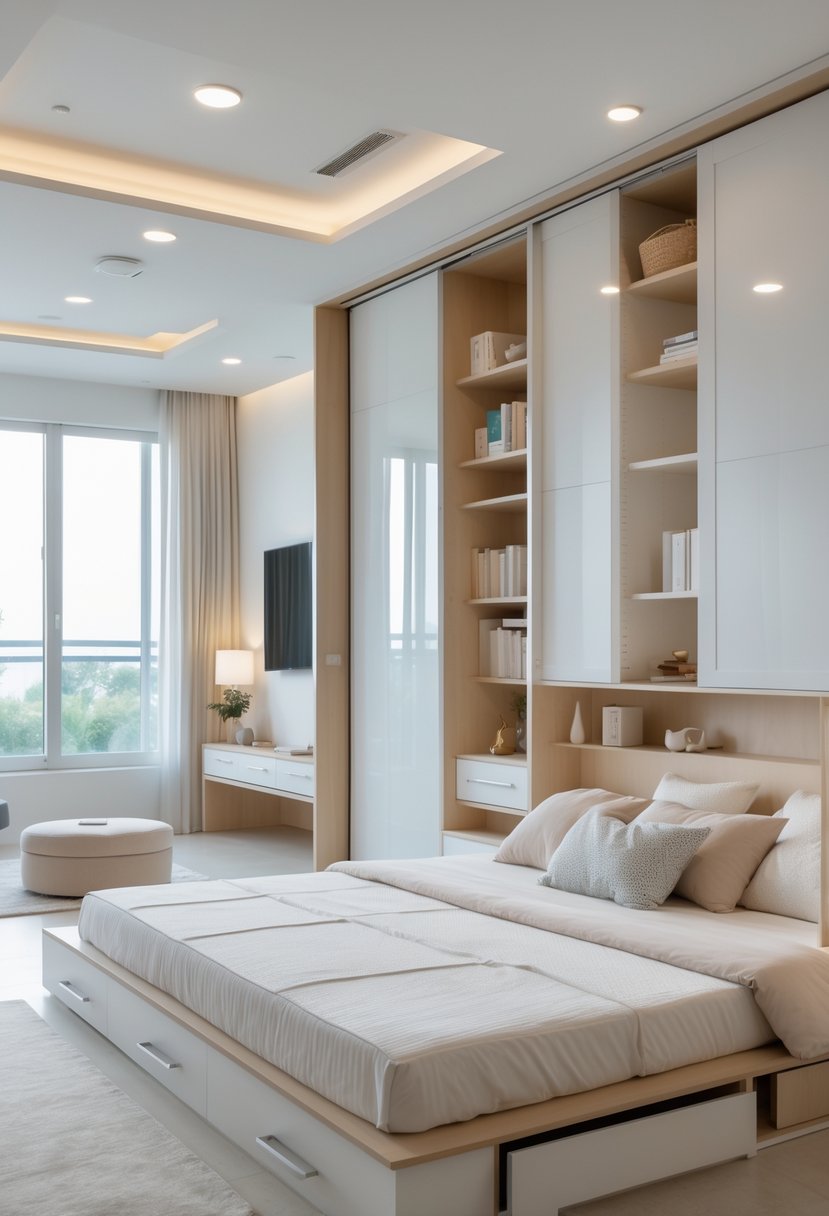
Multifunctional furniture is a practical choice for bedrooms with limited space. It combines different uses, such as a bed that also stores items underneath or a bench with hidden compartments. This type of furniture helps keep the room organized without adding clutter.
Built-in storage furniture saves floor space by using vertical or hidden areas. Items like Murphy beds fold into the wall, revealing shelves or desks. Storage ottomans and beds with drawers offer places to store blankets, clothes, or other essentials.
Choosing pieces that serve more than one purpose improves bedroom functionality. For example, floating nightstands with shelves can hold books and small items while keeping the surface clear. Adjustable shelves allow users to customize the space to fit their needs.
Using multifunctional furniture with built-in storage creates a tidy and efficient bedroom setup. It is especially useful in small rooms or apartments where maximizing space is important. More ideas and tips on this can be found in articles about multifunctional furniture with storage and small space furniture.
6) Display curated wall art in cohesive frames
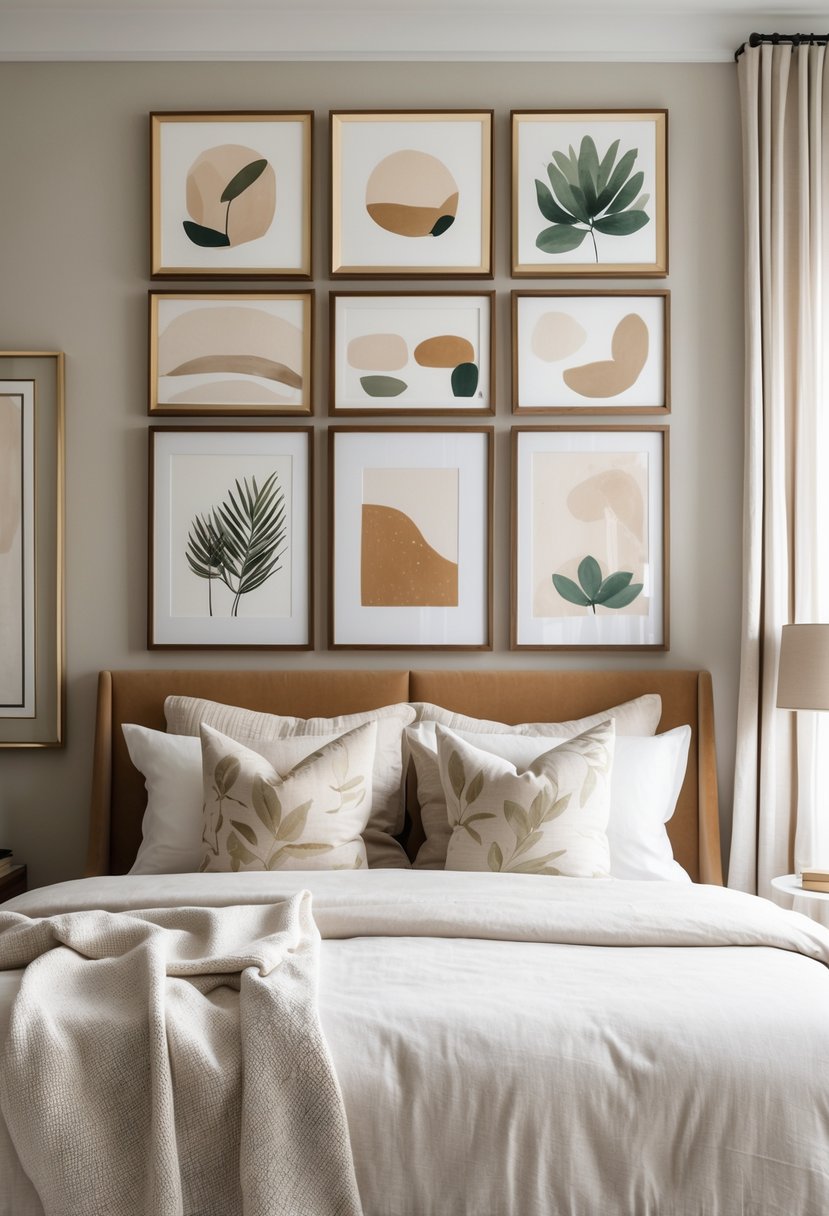
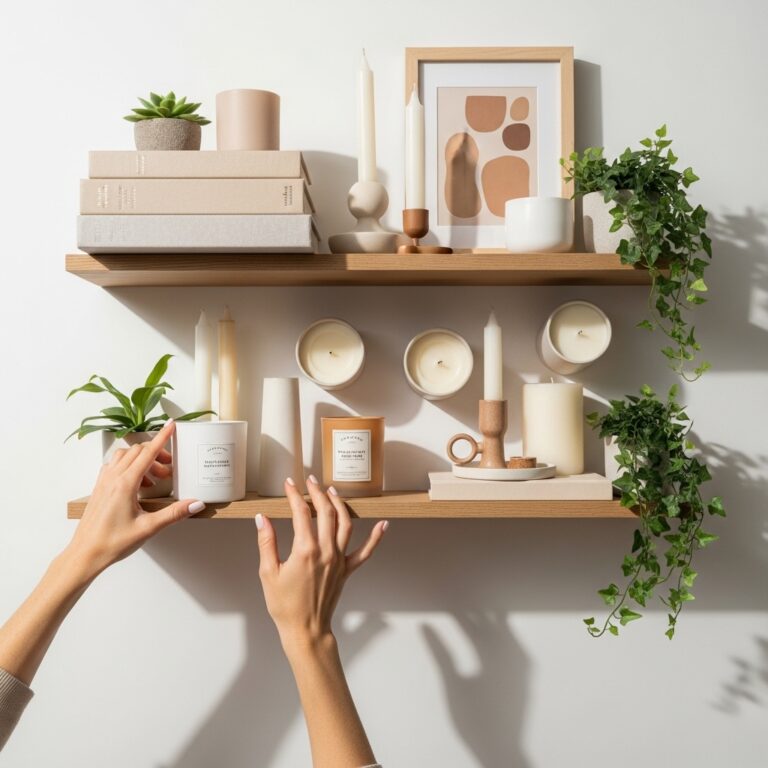
A great way to enhance a bedroom is by displaying curated wall art in matching or complementary frames. Using frames that share a similar style or color creates a unified look. This approach helps the art pieces feel connected, even if their content varies.
Choosing frames with simple designs can make the artwork stand out better. It also keeps the display from feeling cluttered. Mixing different sizes within a cohesive frame set adds interest without losing balance.
Curated art collections let people show personal style and memories. They can combine photos, prints, and small objects to create a unique wall display. Careful arrangement of these pieces turns a plain wall into a focal point.
For ideas on arranging and selecting frames, resources like how to arrange wall art offer helpful tips. These guides explain how to balance frame sizes and spacing for a polished look.
In sum, sticking to cohesive frames makes a gallery wall clearer and more appealing. It allows the art itself to shine while enhancing the room’s decor.
7) Include indoor plants for natural freshness
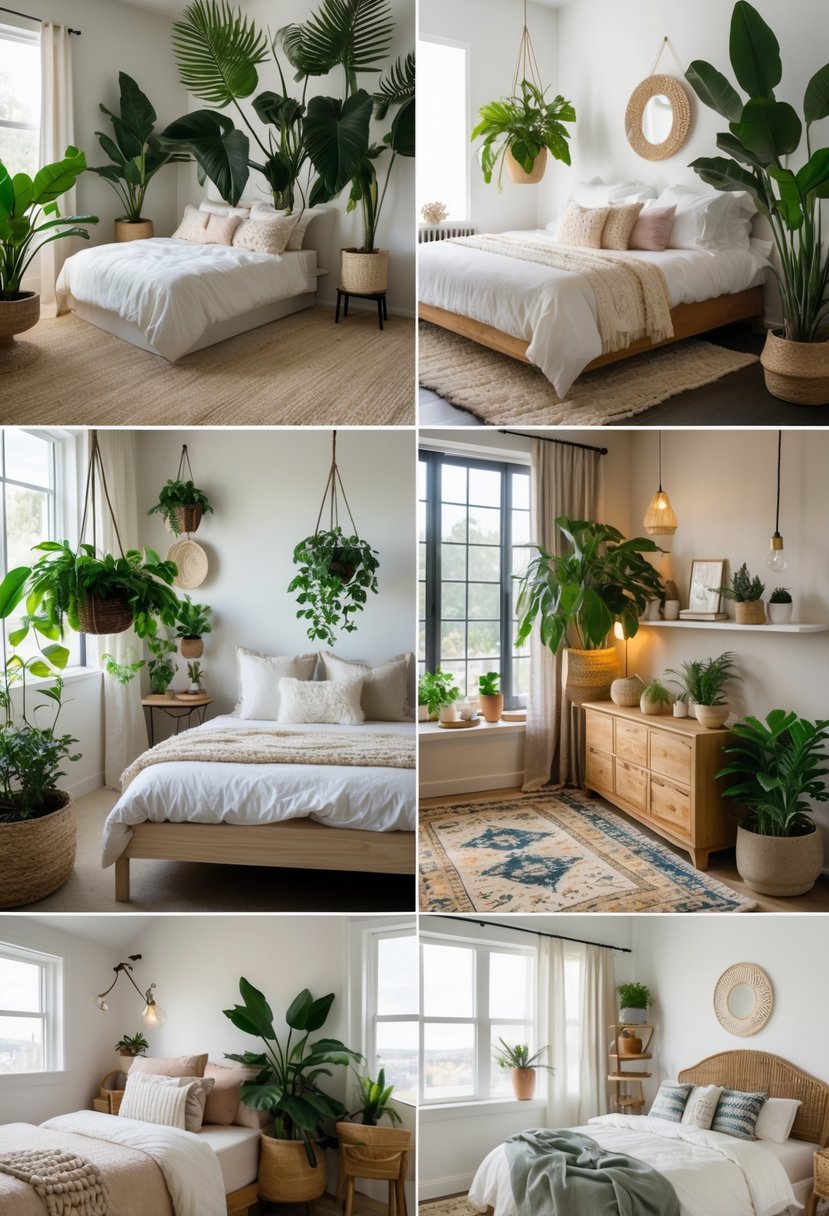
Adding indoor plants to a bedroom brings natural freshness and improves air quality. Plants like Snake Plants and Peace Lilies are known for filtering common indoor pollutants. This helps create a cleaner, calmer space.
Even small plants like succulents or trailing vines can add life and color. They also make the room feel more inviting without taking up much space.
Choosing low-maintenance plants is ideal for bedrooms. Pothos and Spider Plants require little care and can thrive in low light.
Positioning plants strategically can boost the room’s style. Hanging vines or grouping several plants together creates a lush, peaceful atmosphere.
For ideas on how to use plants effectively, explore 9 Bedroom Plants Decor Ideas to Create a Serene Retreat. This helps turn the bedroom into a refreshing, natural space that supports relaxation.
8) Opt for blackout curtains to improve sleep quality
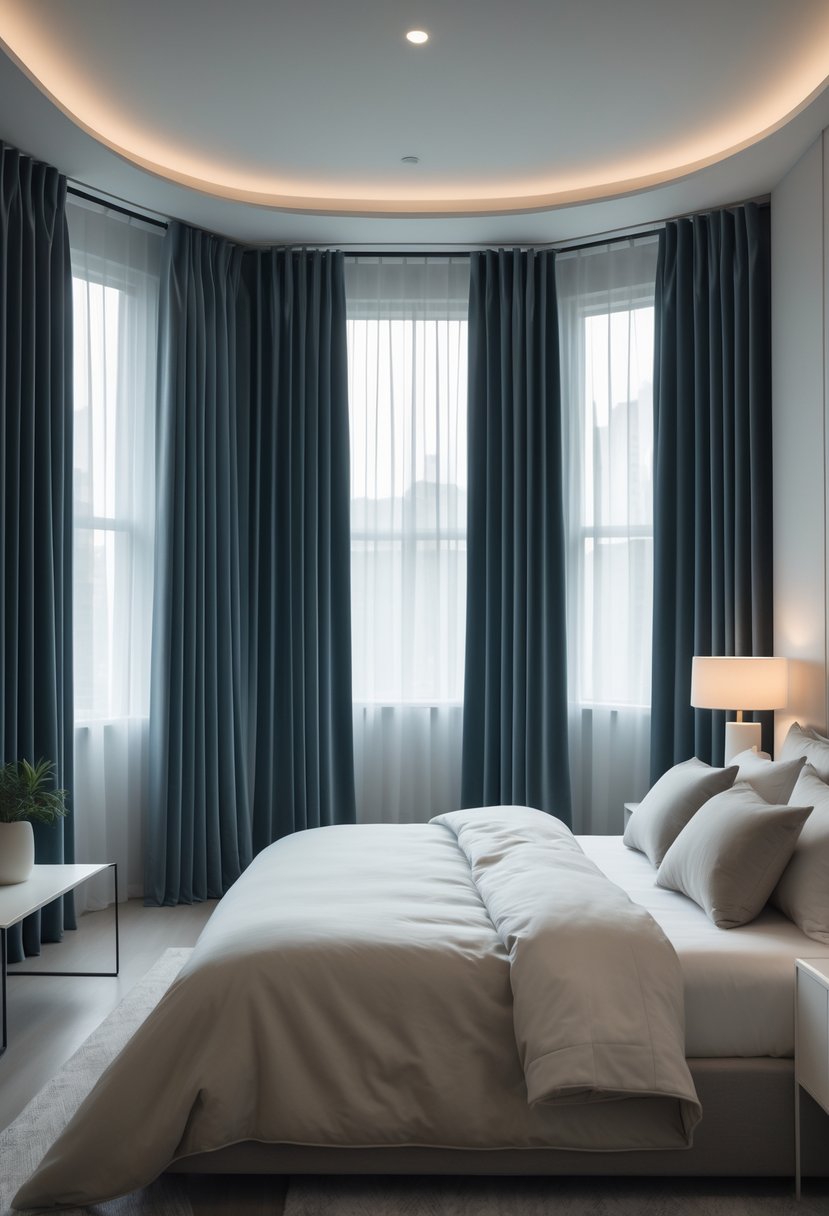
Blackout curtains block outside light, creating a dark room that helps the body prepare for sleep. This can be especially useful for people who need to sleep during the day or live in bright areas.
They also help reduce noise and keep the room cooler or warmer by insulating windows. These factors can make it easier to fall asleep and stay asleep.
Choosing blackout curtains made from natural materials like organic cotton or linen can add comfort and support a healthy bedroom environment.
Besides functionality, blackout curtains come in many styles and colors. They can add a stylish and cozy touch to the bedroom while improving rest.
For those looking to improve sleep, blackout curtains are a simple addition that can make a noticeable difference in the sleep environment and comfort. More information about blackout curtains and their benefits can be found at nontoxic blackout curtains for better sleep.
9) Feature a mix of vintage and modern decor pieces
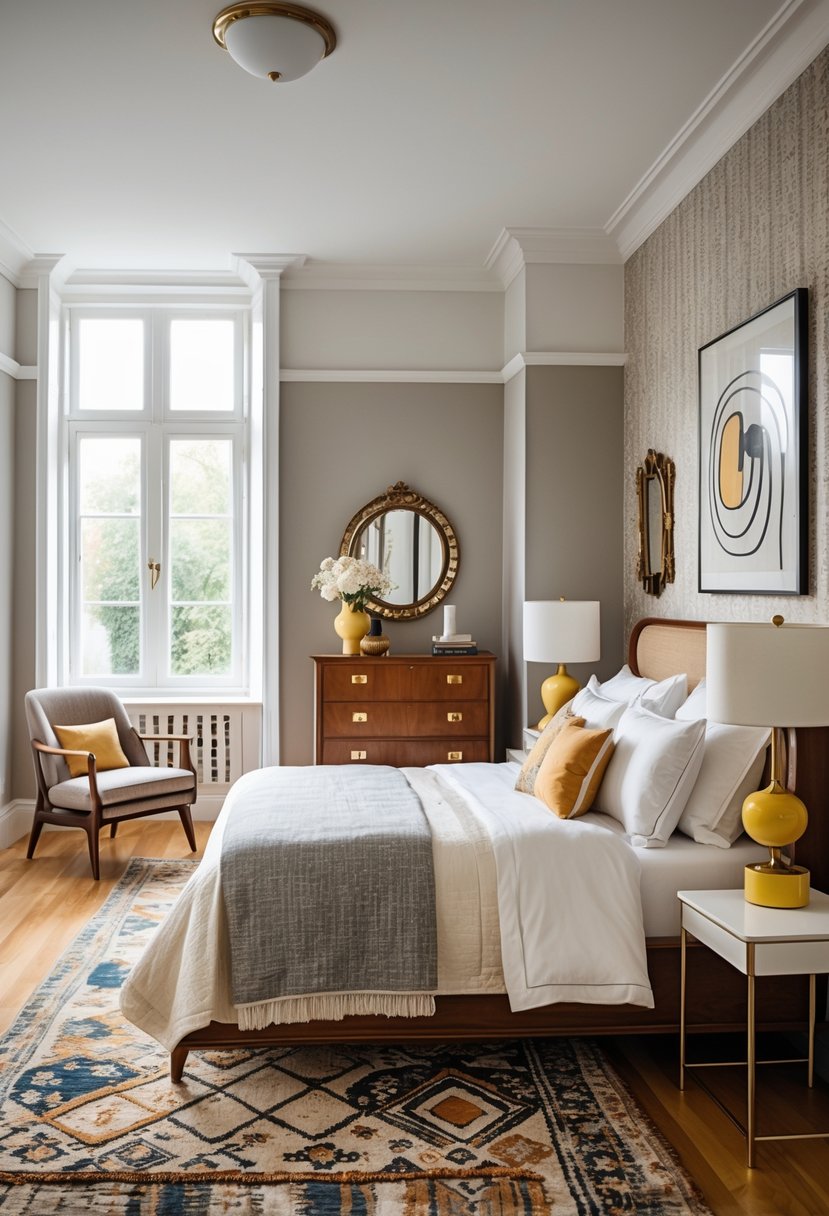
Mixing vintage and modern pieces creates a unique and balanced bedroom. Vintage furniture or decor adds character, while modern items bring clean lines and freshness. This combination avoids a dated or overly trendy look.
He or she can use iconic mid-century furniture like teak dressers or Eames chairs with simple, modern accents. This blend creates a timeless feel that works well with different styles.
Using vintage patterns alongside minimalist decor keeps the space interesting but not cluttered. Soft pastel colors or white walls help balance bold vintage elements with modern simplicity.
Lighting is another way to mix styles. A vintage-inspired lamp paired with sleek modern fixtures can add warmth and elegance. Displaying personal collections alongside contemporary art also adds personality.
This approach lets them design a bedroom that feels both lived-in and stylish. The mix of eras creates harmony and a space that suits many tastes. More ideas on mixing styles can be found in this modern vintage bedroom ideas guide.
Principles Of Cohesive Design
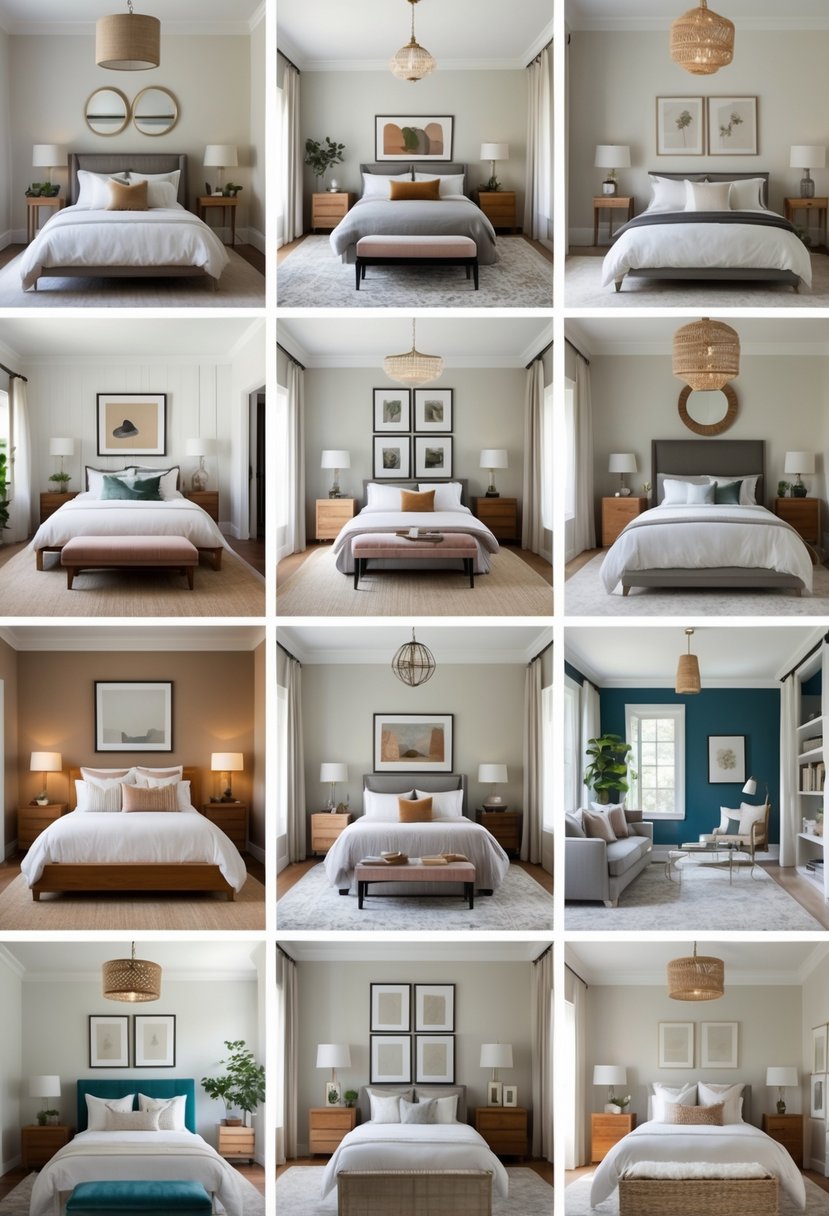
Creating a unified look in bedroom decor depends on carefully chosen colors, textures, and themes. Attention to how these elements interact ensures each room feels connected without losing its individual character.
Balancing Color And Texture
Effective color balance means using a consistent palette throughout the bedroom. One or two main colors paired with neutral shades work best. This avoids clashes and gives the room a calm, coordinated feel.
Texture adds depth and interest. Combining smooth fabrics like silk with rougher materials such as woven rugs creates contrast without overwhelming the space. Repeating textures lightly in pillows, curtains, or throws helps unify the decor.
Using bold colors or patterns on one focal piece, like a bedspread or wall art, can create a strong visual anchor. Rest of the room should support it with softer tones and fewer textures to maintain balance.
Unifying Themes Across Bedrooms
A clear theme links multiple bedrooms in a home, making the design feel intentional. Themes can be based on styles like modern, rustic, or coastal, but must be applied thoughtfully.
Repeating certain design elements across rooms—such as furniture shapes, decor styles, or color accents—creates continuity. For example, consistent use of wooden frames or metal light fixtures ties spaces together.
It’s important each room keeps enough unique touches so it doesn’t feel like a copy. Small differences in decor or layout personalize the spaces while staying within the overall theme. This approach achieves a harmonious and inviting home environment.
For more detailed strategies on cohesive home design, see 9 cohesive design tips to connect each room in your home.
Maximizing Space And Functionality
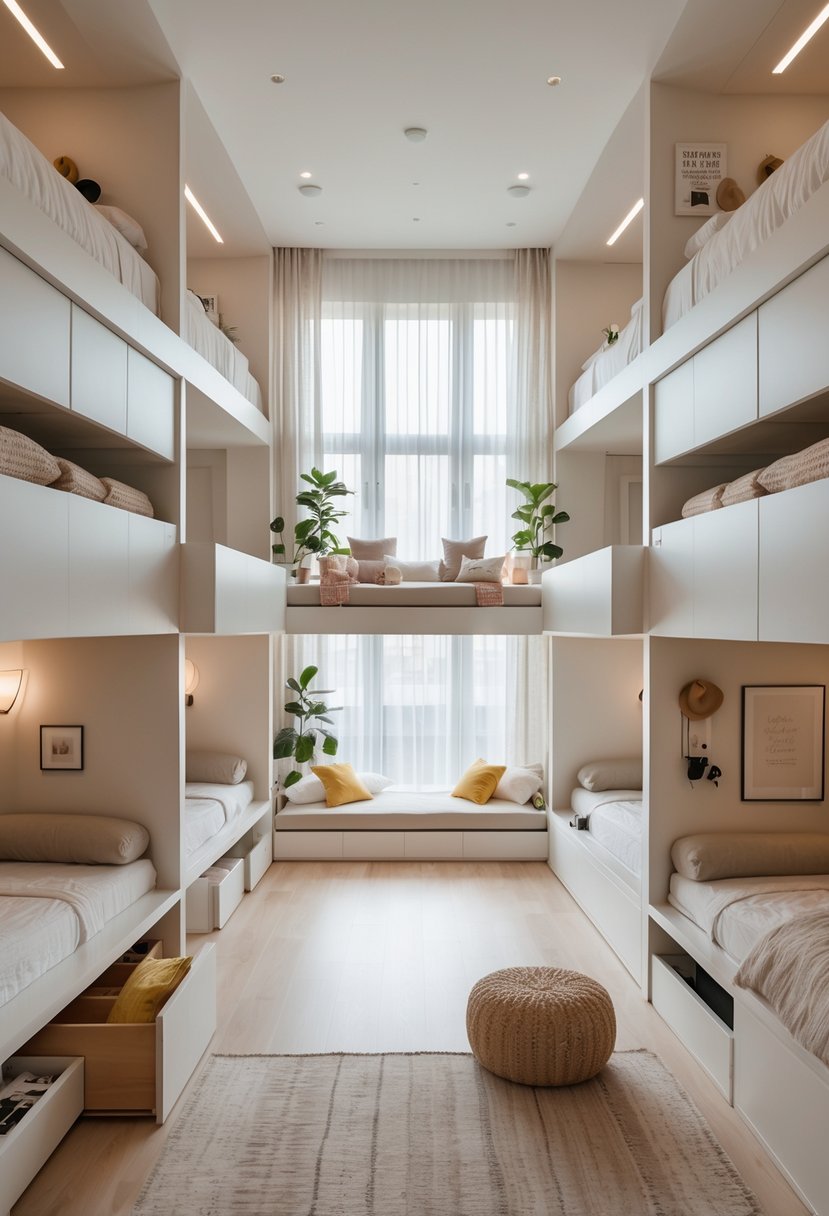
Maximizing space and functionality means making the most of every inch without crowding the room. It involves clever storage ideas and furniture setups that adapt to different needs. This approach keeps the bedroom organized and comfortable.
Smart Storage Solutions
Using storage that fits the room’s size and style is key. Built-in shelves, under-bed drawers, and wall-mounted organizers create space without taking up floor area. Vertical storage, like tall bookcases, helps keep clutter off surfaces.
Multipurpose storage furniture, such as ottomans or benches with hidden compartments, adds extra spots to store items while providing seating. Clear bins or labeled boxes inside closets improve organization.
Keeping frequently used items easy to reach and storing away seasonal or rare items makes the room practical. These smart storage techniques reduce mess and open up more usable space.
Flexible Furniture Arrangements
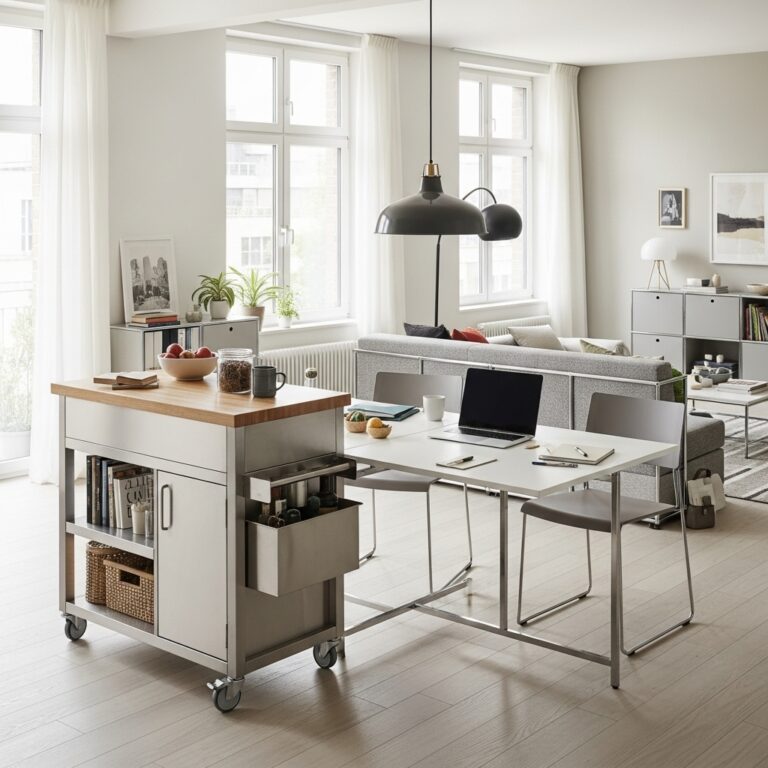
Furniture that moves or serves multiple functions increases a room’s usefulness. Beds with built-in storage or foldable desks can adapt to changing needs and save room. Chairs that stack or fold also free space when not in use.
Placing furniture along walls or corners maximizes floor space. Using rugs or lighting to define areas helps separate sleeping, working, and relaxing zones in one room.
Arranging pieces to allow easy movement avoids a cramped feeling and improves the room’s flow. Flexibility in layout helps the space stay functional for different activities.
Explore more about maximizing small bedroom layouts and furniture options at 51 Small Bedroom Layout Ideas To Maximize Space And Style.
Frequently Asked Questions
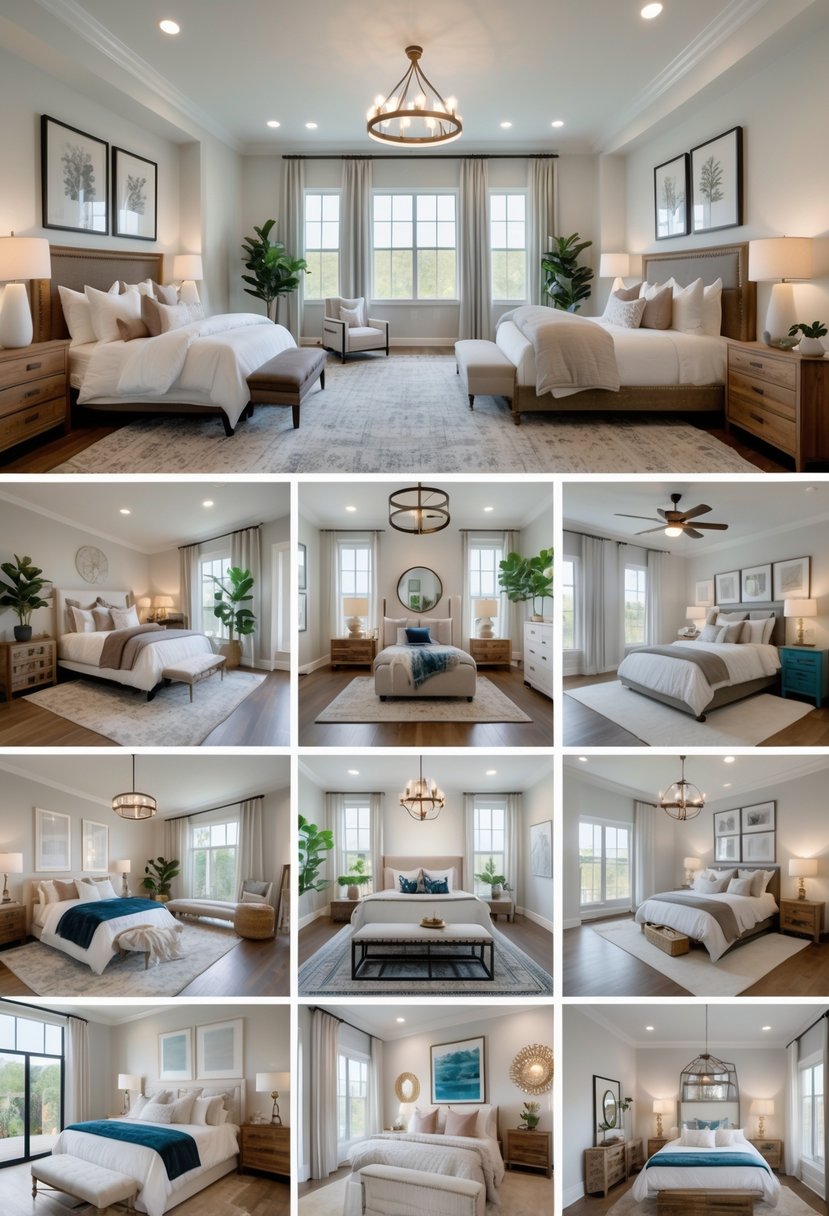
Maximizing space and arranging furniture thoughtfully are key for small bedrooms. Choosing the right colors and storage solutions helps make a room feel larger and more functional. Understanding the room’s exact size supports better planning and design decisions.
What are effective ways to maximize space in a 9×10 bedroom?
Smart planning is essential in a 9×10 room. Using multifunctional furniture, like beds with built-in storage or desks that double as nightstands, helps save space. Keeping pathways clear and creating zones for different activities also improves the room’s flow and usability.
How can one arrange furniture in a 10×9 room with a queen bed for optimal functionality?
Positioning the queen bed against the longest wall opens more floor space. Placing nightstands with storage nearby maximizes utility. Using vertical storage like shelves or tall dressers draws attention upward, freeing up floor space.
What are some creative storage solutions for a 9 by 10 bedroom?
Built-in shelves and under-bed drawers utilize hidden spaces well. Wall-mounted hooks or pegboards keep items organized without cluttering surfaces. Foldable or stackable furniture can also double as storage when not in use.
Can you suggest versatile color schemes for a 9×9 bedroom layout?
Muted earth tones create a calming atmosphere while making the space feel open. Soft grays, warm beiges, and pale greens work well together. Pairing these with white trim or ceilings helps brighten the room.
What style elements work well in a small 11 x 9 bedroom to make it appear larger?
Layered lighting, such as sconces combined with pendant lamps, adds depth without crowding the room. A statement headboard in velvet or leather draws the eye and becomes a focal point. Textured rugs introduce warmth and dimension.
How to calculate the square footage of a 9 by 9 room and use it to inform decor choices?
Multiply the length by the width: 9 feet times 9 feet equals 81 square feet. Knowing the exact size guides furniture selection and layout. Smaller pieces or multifunctional items fit better and create more open space. For detailed layout ideas, refer to creative 9×9 room layout advice.