7 Indoor Planters for Stylish and Functional Home Greenery
Indoor planters are a simple way to bring greenery into homes and workspaces. They help keep plants healthy while adding style to any room.
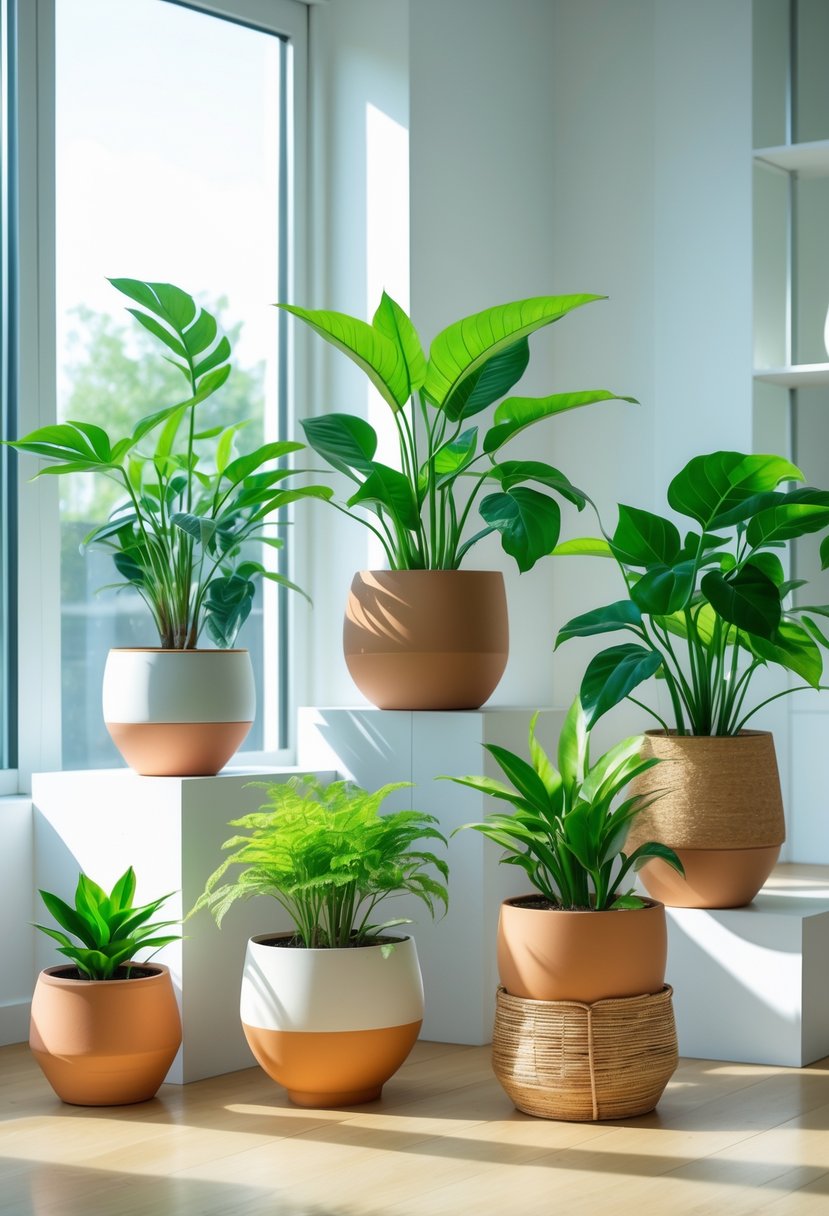
Choosing the right indoor planter matters because it supports plant growth and fits the space’s decor. With many options available, people can find planters that match their needs and preferences.
7 Indoor Planters.
1. Lechuza Self-Watering Planter
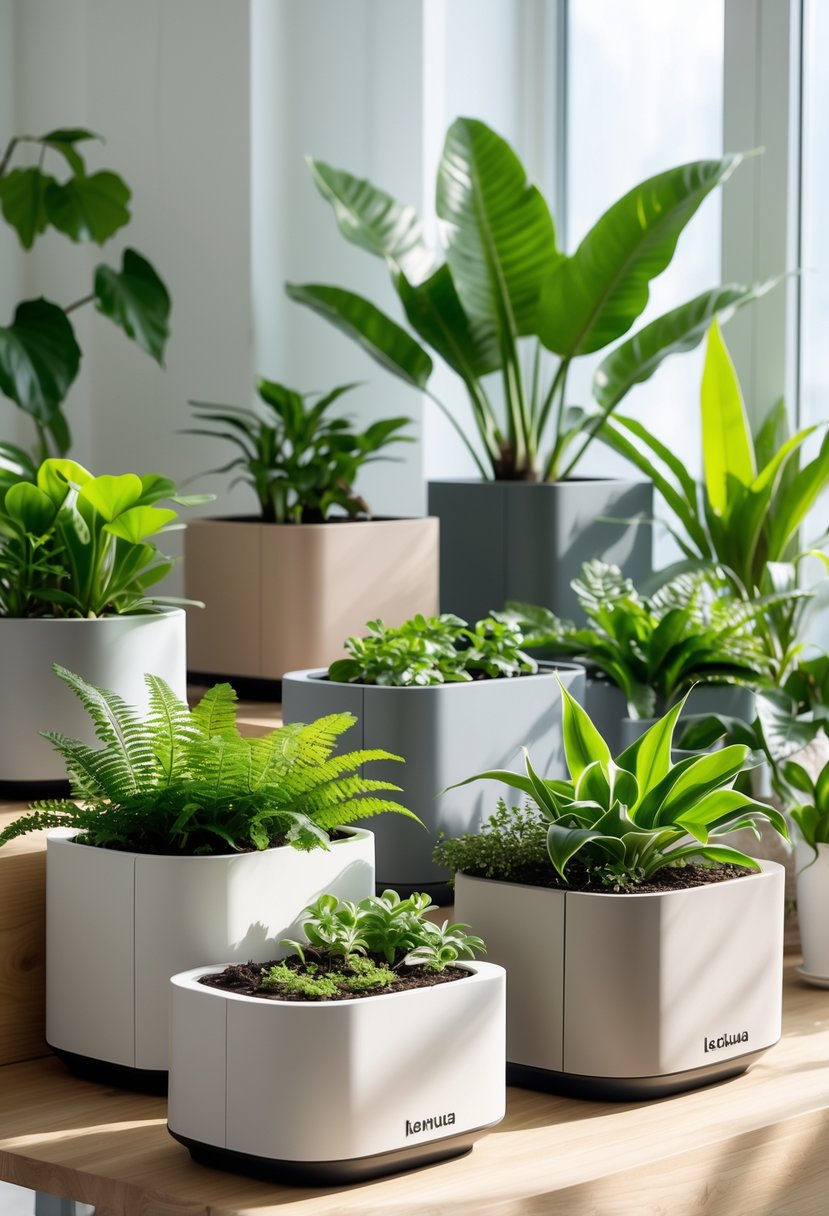
Lechuza self-watering planters have a built-in water reservoir. This system helps plants get the right amount of water without frequent watering.
They are made for indoor and outdoor use. The planters come in various shapes, sizes, and colors to fit different spaces and styles.
2. West Elm Ceramic Planter
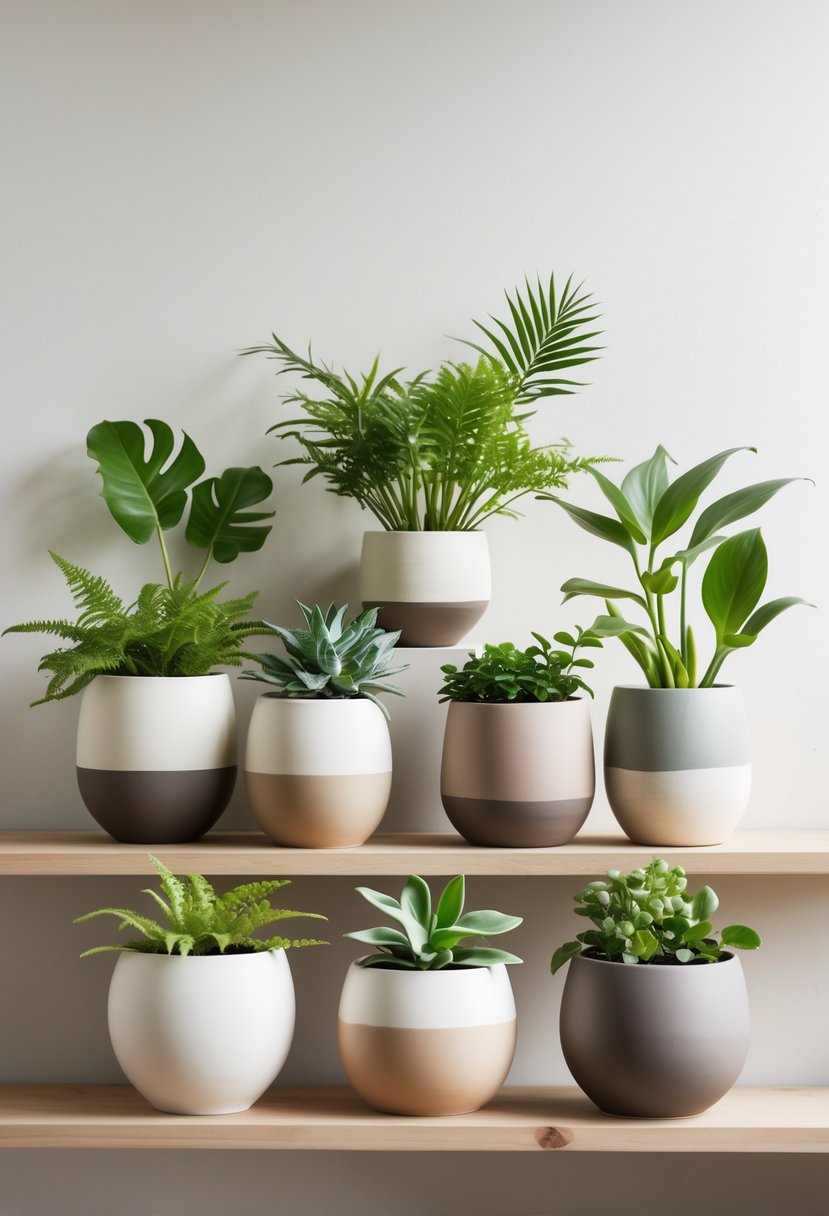
West Elm ceramic planters offer a clean, modern look. They come in various shapes and sizes to fit different plants and spaces.
These planters are made from durable materials, often featuring drainage holes to protect roots. They work well indoors and add simple style to any room.
3. IKEA SOCKER Hanging Planter
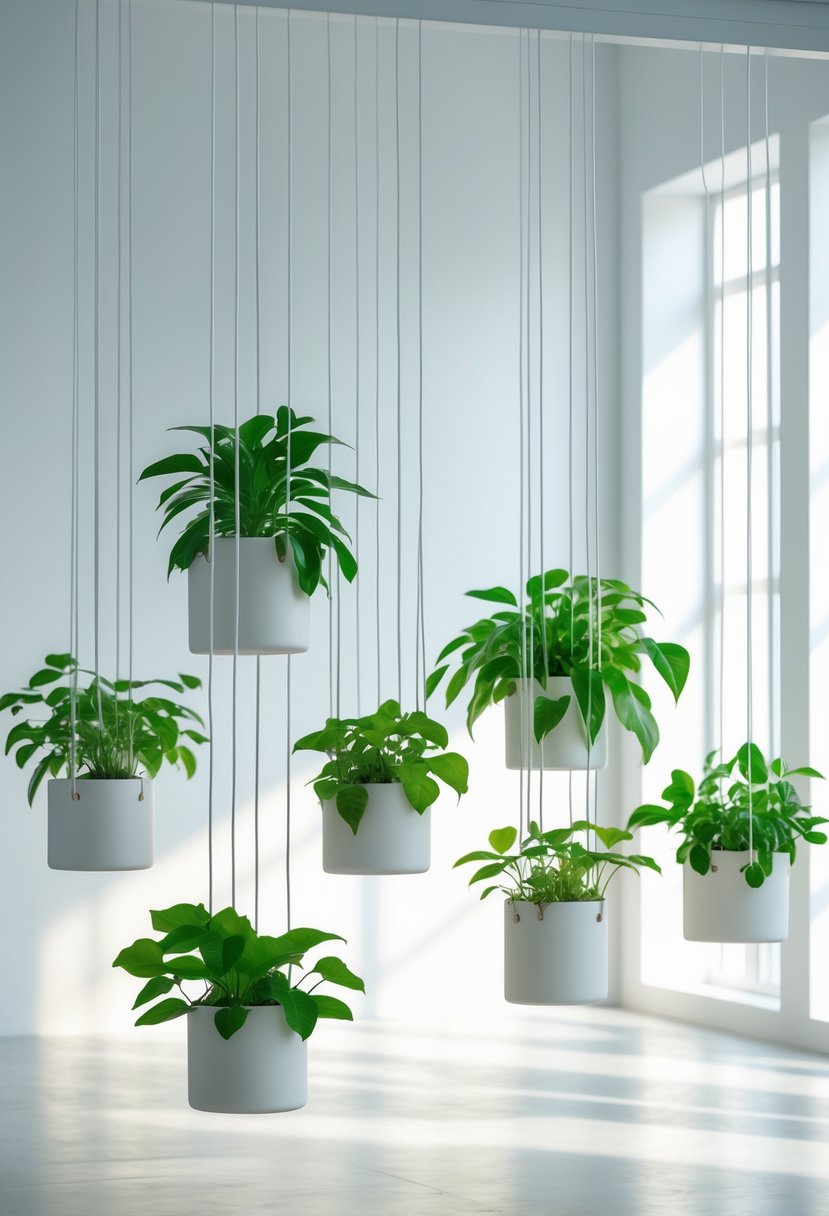
The IKEA SOCKER Hanging Planter is made from galvanized steel, making it durable for indoor and outdoor use.
It features a simple design with a handle, allowing easy hanging on balcony rails or hooks.
This planter fits small plants well and suits limited spaces, adding a practical touch to indoor gardens.
4. Wayfair Metal Planter with Drainage
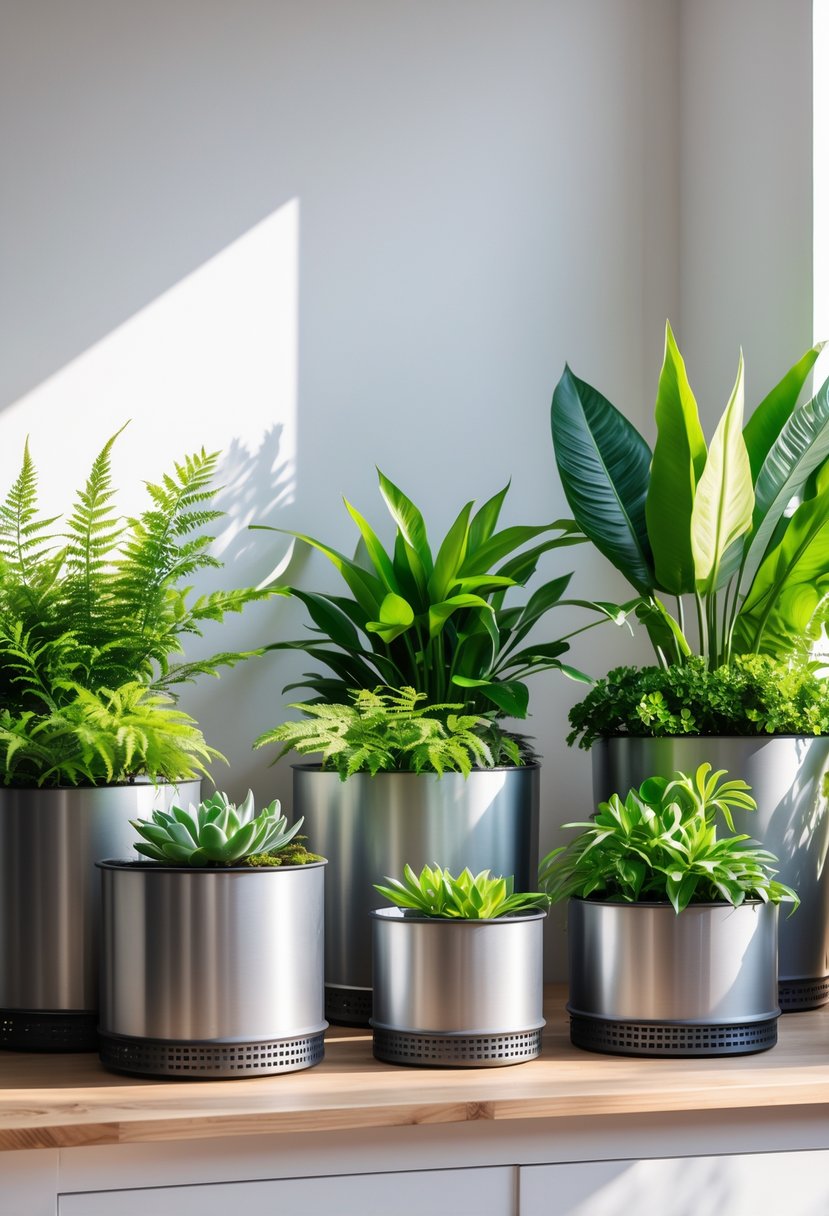
The Wayfair metal planter features drainage holes that help prevent overwatering. It works well for both indoor and outdoor plants. Its sturdy metal design offers long-lasting use and a simple look that fits many decor styles.
5. Amazon Classic Plastic Indoor Planter
The Amazon Classic Plastic Indoor Planter is a simple, durable choice. It features a rolled rim that makes lifting easier, even when full of soil. https://amzn.to/4g0sy8h. you can buy this product from this link The pot is lightweight and UV resistant, fitting both indoor and outdoor use. It also has drainage holes to prevent overwatering.
6. Gardener’s Supply Self-Watering Windowsill Planter
This planter is designed for narrow spaces like windowsills. It features a self-watering system that helps keep plants consistently moist. The built-in water reservoir reduces how often watering is needed, making it practical for busy or forgetful gardeners.
7. At Home Modern Succulent Planter
The At Home Modern Succulent Planter features a simple, sleek design. It is made with plastic and measures 7 inches, fitting well in most indoor spaces. The planter suits both indoor and outdoor use, offering a versatile option for displaying succulents.
Choosing the Right Indoor Planter
Selecting an indoor planter involves thinking about the pot’s material, size, and drainage. These factors affect plant health, growth, and maintenance. Picking the right combination ensures the plant gets enough water, space, and protection.
Understanding Materials and Durability
Planters come in different materials like plastic, ceramic, terra cotta, and metal. Each has pros and cons.
Plastic pots are lightweight and inexpensive. They hold moisture well but can wear out in sunlight.
Ceramic pots are heavier and usually glazed. They look nice and last long but can be fragile.
Terra cotta pots allow air and water movement through their porous surface. This helps prevent overwatering but they dry out faster.
Metal pots can be durable and stylish but might heat up or rust depending on the type.
Choosing a material depends on where the plant sits and how often watering happens. Durability should match how much care the plant needs.
Sizing for Plant Health
Size matters for root space and watering. The pot should be big enough for roots to grow without being too large.
If the pot is too small, roots get crowded. This limits the plant’s growth and makes watering difficult. If it’s too big, water can collect at the bottom, causing root rot.
The rule is to pick a pot just 1-2 inches larger in diameter than the current root ball. Depth matters too; shallow pots work for plants with small roots, while deeper pots suit bigger root systems.
Drainage Requirements
Good drainage is essential to avoid water buildup which harms roots. Most indoor planters should have drainage holes.
Plants that need frequent watering benefit from pots with several holes to let excess water escape easily. Saucers can catch water but should be emptied regularly.
For plants that prefer moist soil, self-watering pots or those without drainage holes may work. However, these pots require careful watering to prevent waterlogging.
Choosing a pot with the right drainage setup lets plants get the right moisture levels for healthy growth.
Maintaining Indoor Planters
Proper upkeep of indoor planters involves regular cleaning and careful management of water and light. These steps help prevent damage to both plants and containers and ensure a healthy environment for growth.
Cleaning and Care Tips
Indoor planters should be cleaned regularly to remove dust, dirt, and mineral build-up. For ceramic or terracotta pots, a mild soap and water solution works well. Avoid harsh chemicals that could harm the plant or the planter’s finish.
It’s important to check for cracks or drainage blockages. Blocked drainage can cause water to pool, leading to root rot. Remove any debris from drainage holes and replace liners if they are damaged.
Wiping leaves of plants growing in the planters with a damp cloth helps keep them free from dust and improves photosynthesis. Cleaning both plants and pots regularly supports better growth and a neat appearance.
Managing Water and Light
Watering needs vary by plant type, but proper drainage in planters is essential to prevent overwatering. Planters with holes allow excess water to escape, which protects roots from staying too wet.
Lighting should match the plants’ preferences. Most indoor plants need bright, indirect light. Rotating the planter occasionally ensures even growth on all sides.
Direct sunlight can damage some plants and fade planter colors, so positioning planters away from harsh rays is wise. Monitoring soil moisture daily helps determine when to water, avoiding both drought and excess moisture.
Frequently Asked Questions
Choosing the right planter involves picking materials that support plant growth, selecting sizes that fit the plant’s needs, and considering drainage options for water control. Design and maintenance are also critical to keep both plants and planters in good shape indoors.
What are the best materials for indoor planters that ensure plant health?
Ceramic and terracotta planters offer good breathability, helping roots avoid excess moisture. Plastic planters, like the Amazon Classic Plastic Indoor Planter, are lightweight and retain moisture well but may lack airflow. Metal planters can be attractive but often need liners to protect roots from temperature changes.
How do you choose the right size planter for your indoor plant?
A planter should be slightly larger than the plant’s root ball to allow room for growth. Too small a planter restricts root development, while too large may cause water buildup and root rot. For example, large houseplants need wider and deeper planters to support stability and healthy roots.
What are the advantages of planters with drainage for indoor use?
Drainage holes prevent water from sitting at the bottom, reducing the risk of root rot. Planters like the Wayfair Metal Planter with Drainage help excess water escape, promoting healthier soil conditions. Without drainage, overwatering can quickly damage indoor plants.
Which indoor planter designs are most effective for large plants or trees?
Large, sturdy planters with wide bases provide stability for taller plants and trees. Heavy materials such as ceramic or thick plastic prevent tipping. Self-watering planters like the Lechuza model can support large plants by providing consistent moisture without overwatering.
What should be considered when selecting a planter for decorative indoor purposes?
The design should match the room’s style and plant size. Hanging planters like the IKEA SOCKER are ideal for small trailing plants and save floor space. Matching color and texture to furniture or walls enhances the planter’s decorative impact without overwhelming the space.
How do you maintain large indoor planters to keep both the planter and plant in good condition?
Regular cleaning prevents salt and mineral buildup on planter surfaces. Check drainage often to ensure holes aren’t blocked. Larger planters may need repotting every couple of years to refresh soil and manage root growth for continued plant health.