15 Living Room Design Ideas For A Stylish And Functional Space
Designing a living room often feels like balancing comfort, style, and function all in one space Living Room Design. The right choices can make the room feel more open, organized, and inviting without requiring a complete remodel. A well-planned design helps create a space that looks good and works well for daily life.
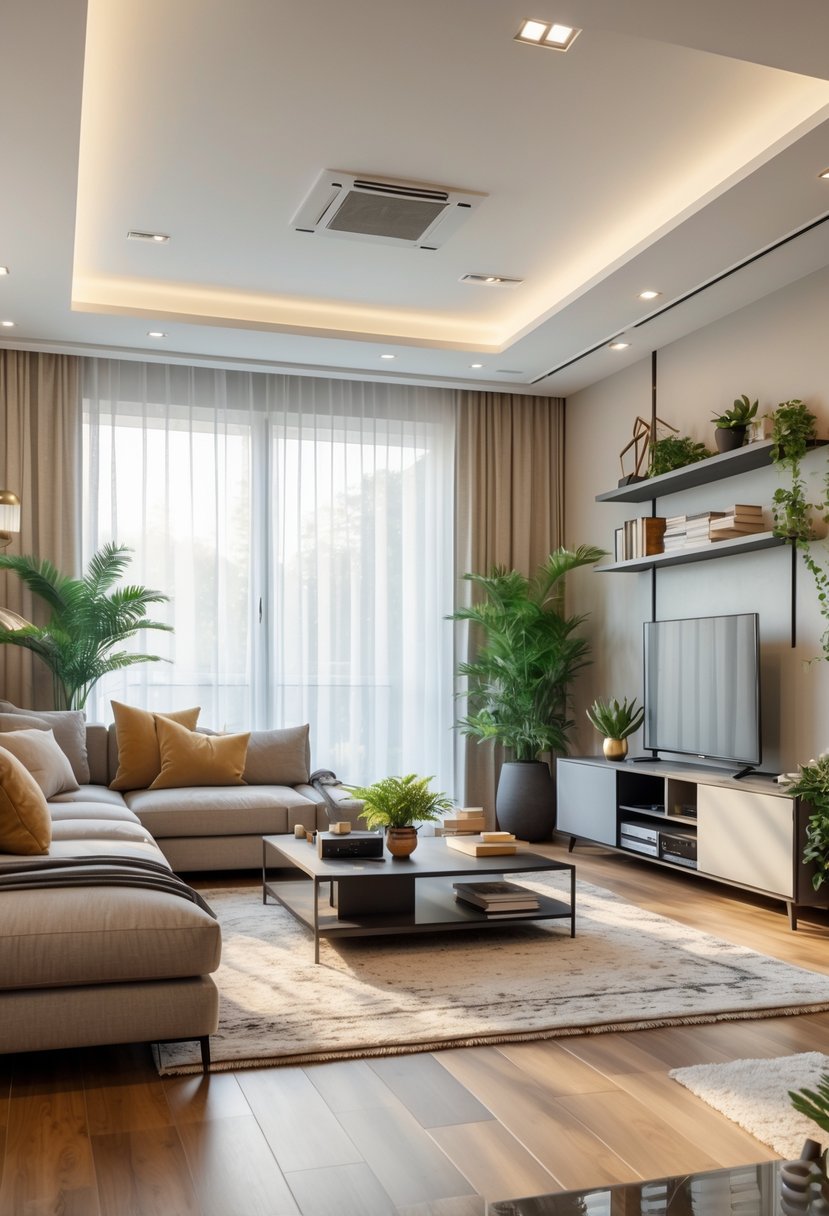
This article explores 15 practical ways to shape a living room with thoughtful details. From lighting and furniture choices to color schemes and storage solutions, each idea focuses on Living Room Design making the most of the space while keeping it welcoming and functional.
Living Room Design
1. Maximize natural light with sheer curtains
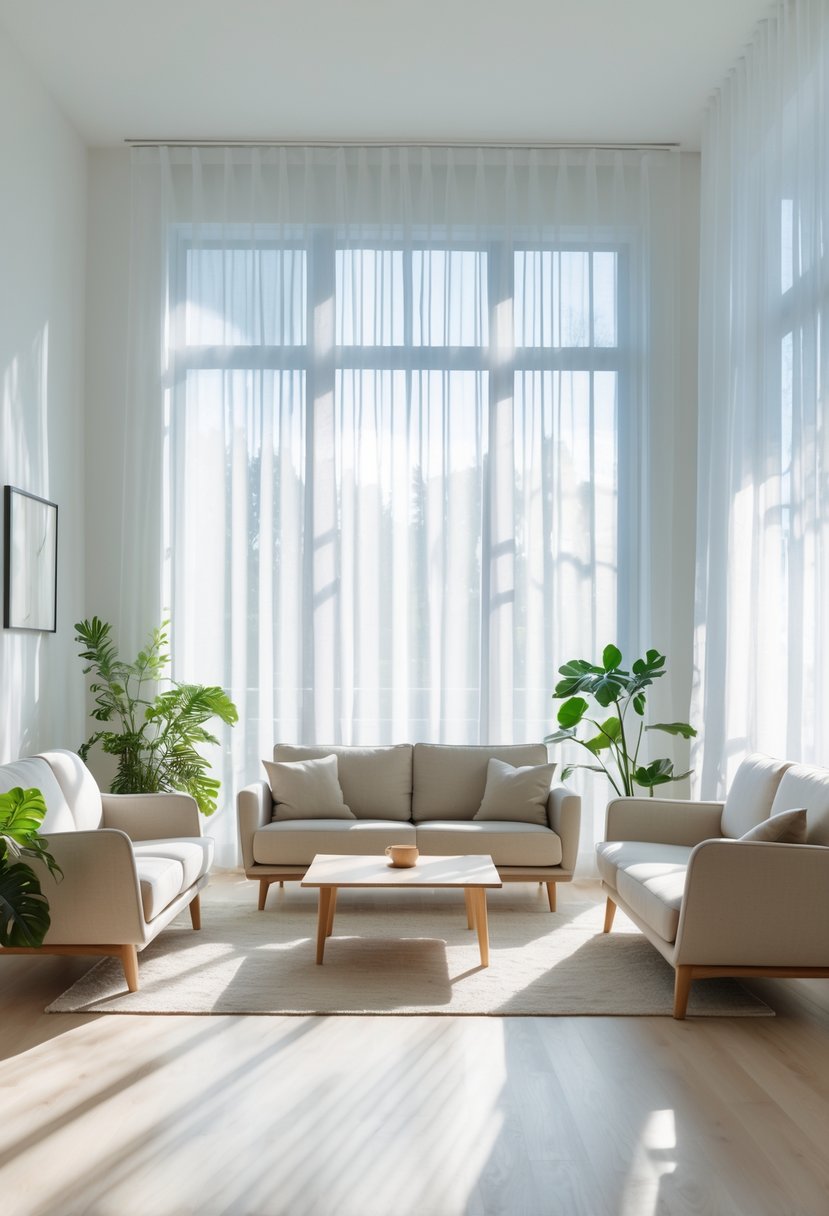
Sheer curtains allow sunlight to filter through while reducing glare. They make a living room feel brighter without blocking views.
Their lightweight fabric creates a soft, airy effect. This helps the space feel open and welcoming.
Placing them on large windows enhances natural light and maintains privacy.
2. Incorporate a statement area rug for color and texture Living Room Design
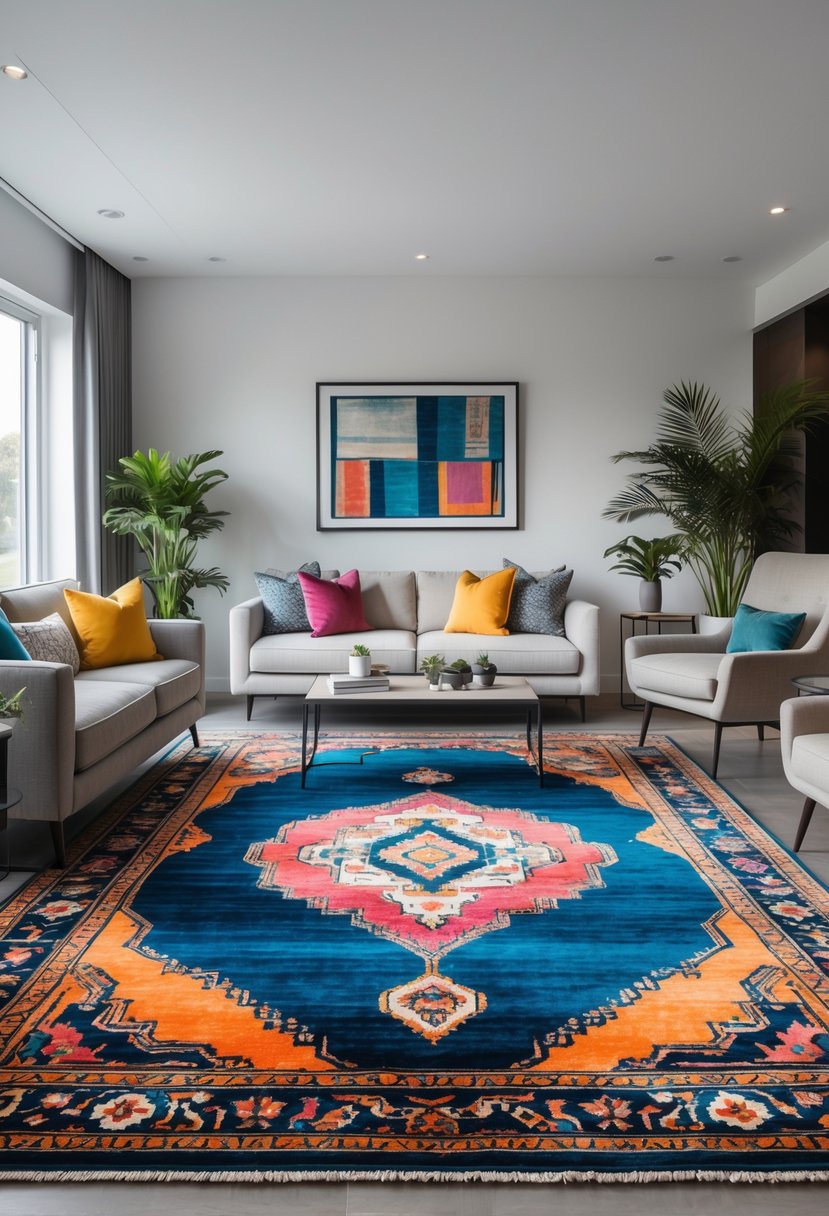
A statement rug can define the seating area and bring balance to the room.
They add texture underfoot while introducing patterns or colors that connect with existing furniture.
Using the right size ensures the rug anchors the space effectively.
3. Use modular sofas for flexible seating arrangements
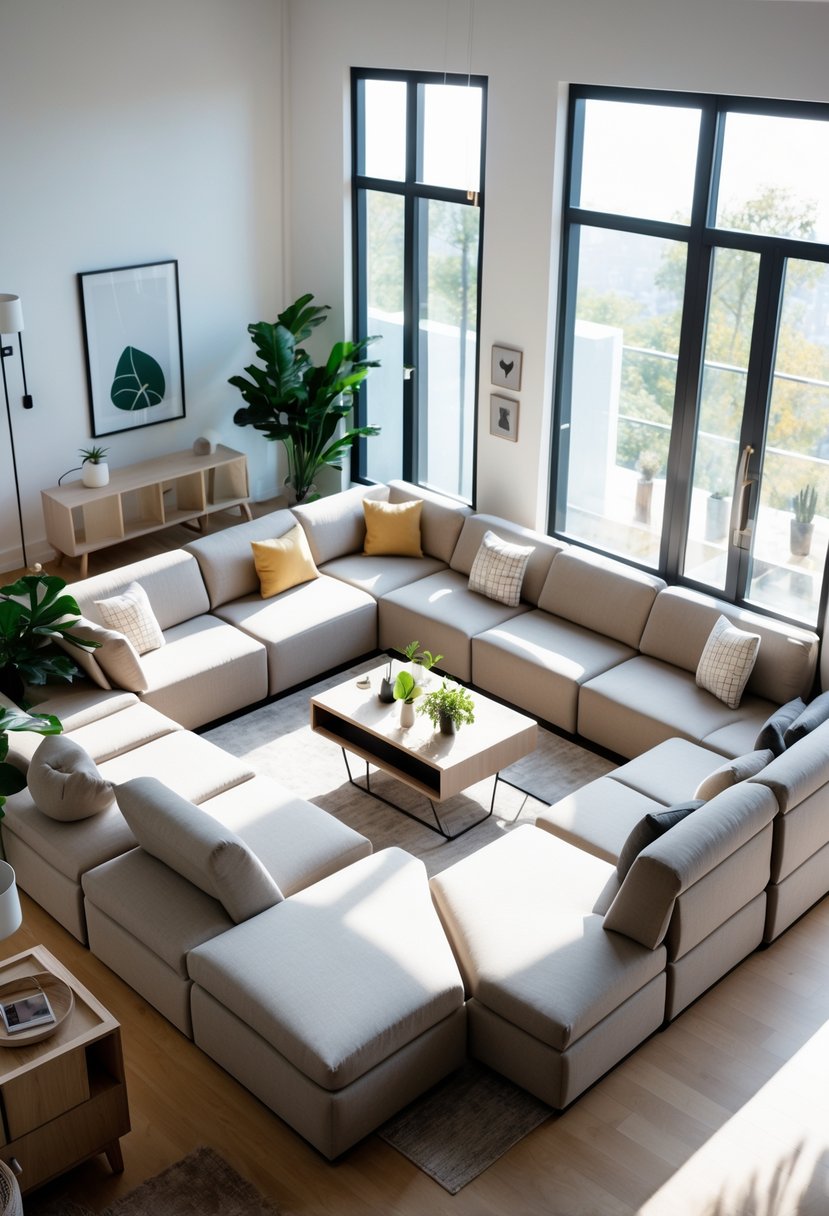
Modular sofas let people adjust seating layouts to match room size and shape. They can form L-shapes, U-shapes, or smaller setups.
This flexibility makes them useful in both small apartments and larger living rooms.
Living Room Design Ideas
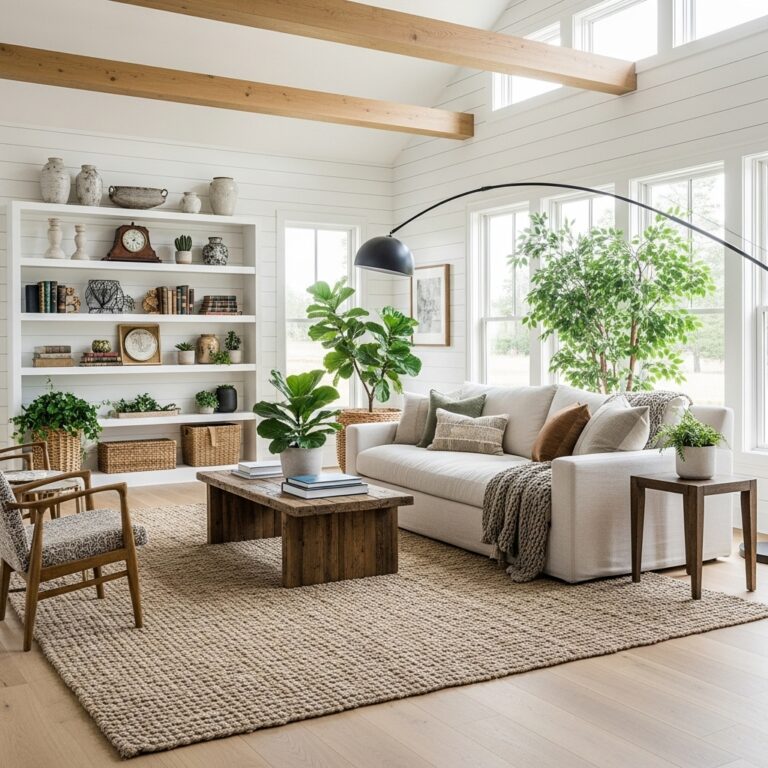
4. Add built-in shelving for functional storage
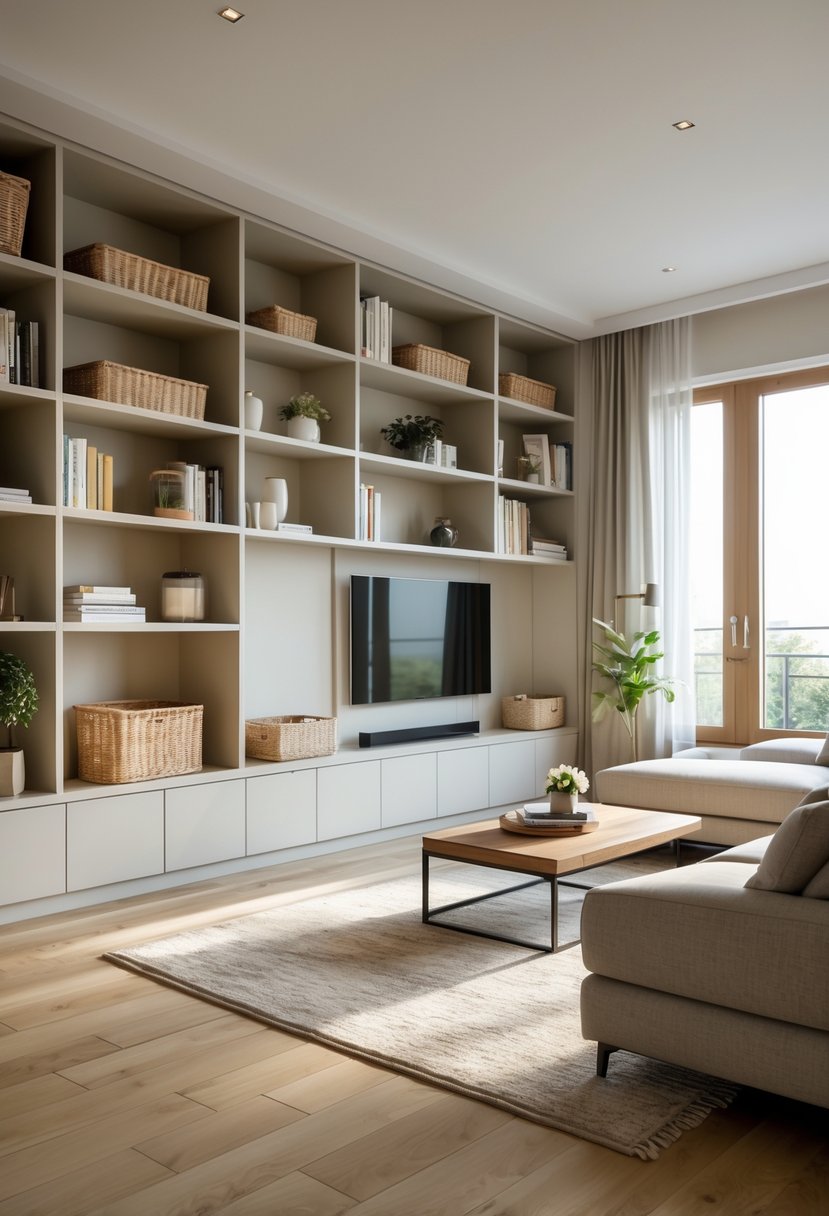
Built-in shelves give the living room extra storage without taking up floor space. They fit neatly into walls and can be designed to match the room’s style.
They work well around fireplaces, windows, or media areas. Shelves can hold books, plants, or decor, while closed cabinets hide clutter.
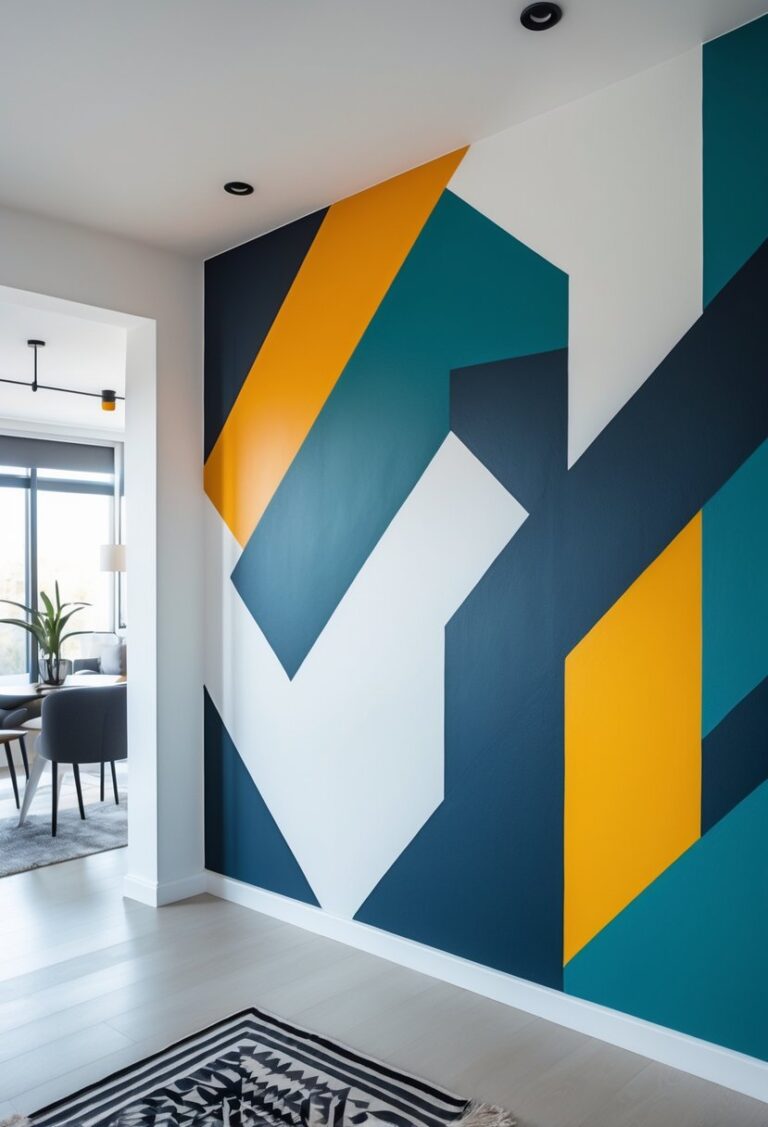
5. Choose a neutral color palette with bold accent walls
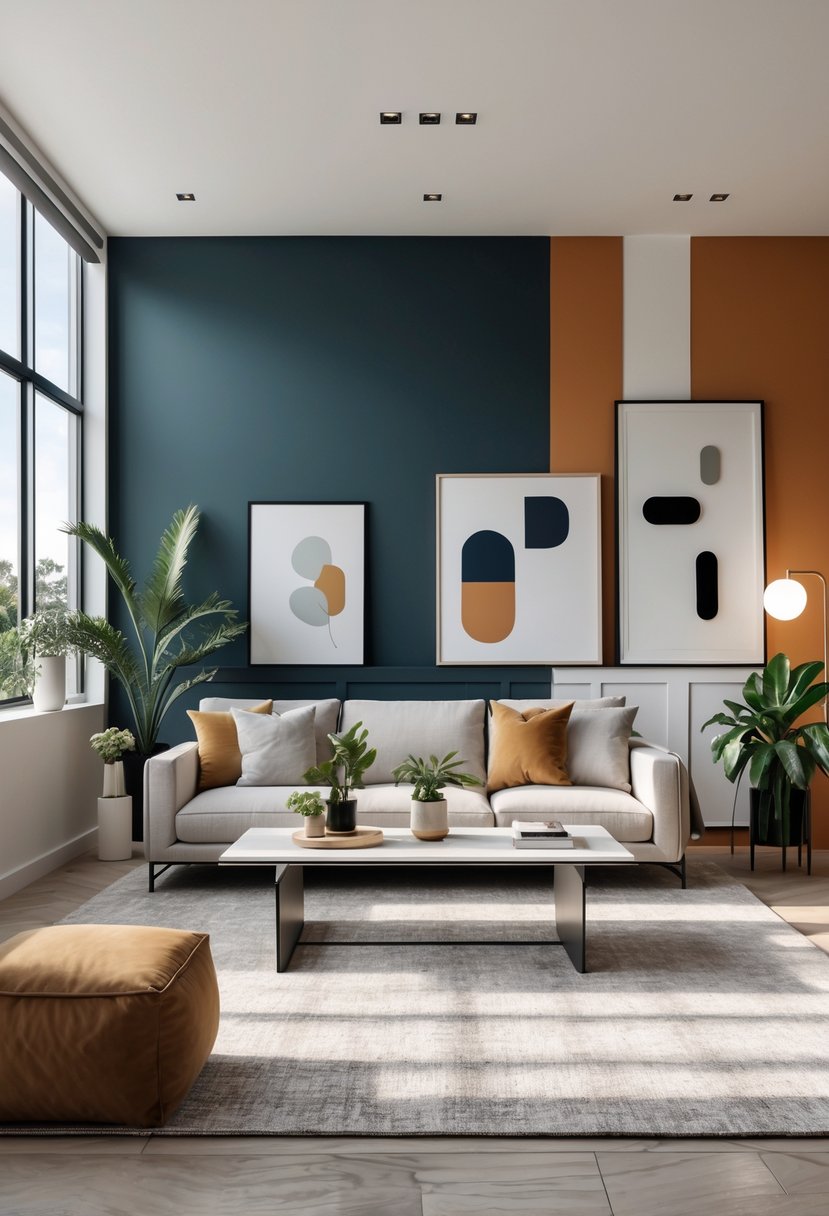
Neutral colors like white, beige, or gray create a calm base for the living room.
A single bold accent wall in navy, emerald, or mustard adds contrast and focus without overwhelming the space.
This balance allows furniture and decor to stand out clearly.
6. Mix metals like brass and matte black for modern contrast
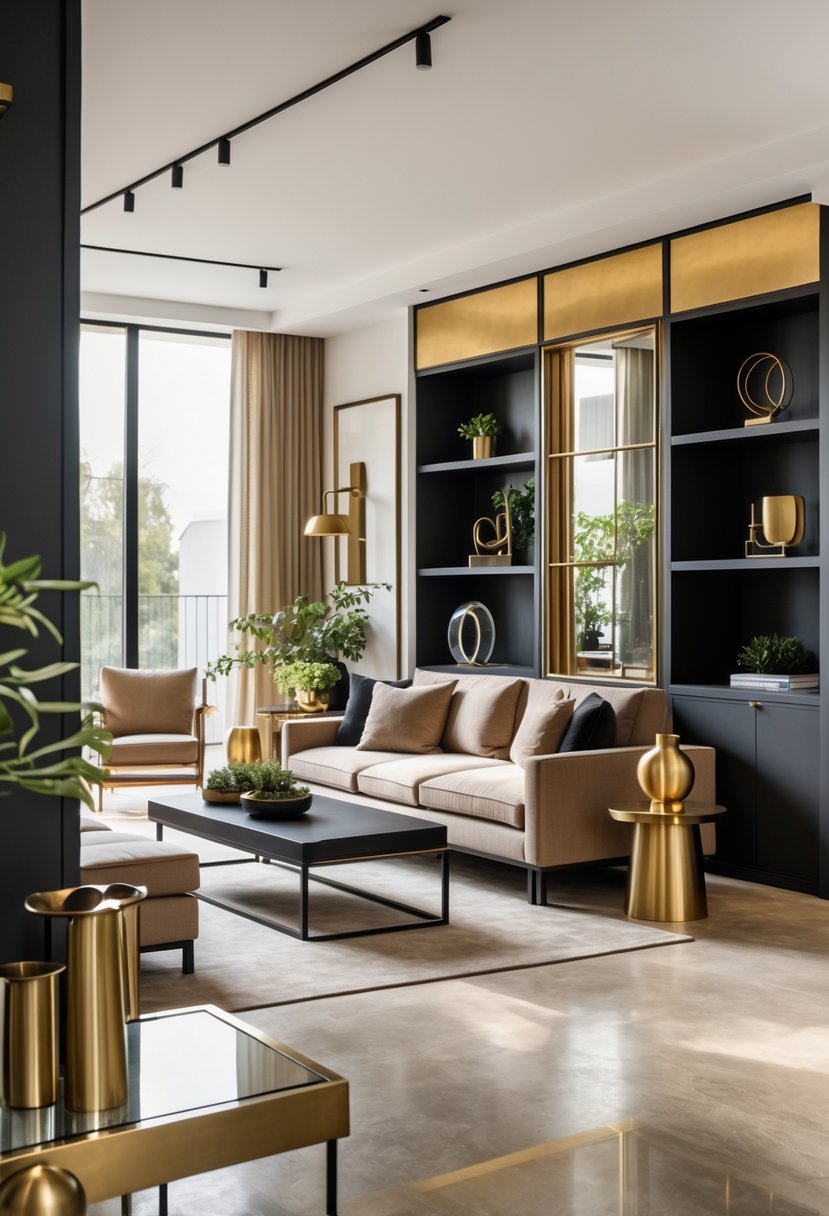
Brass adds warmth, while matte black introduces a sleek edge. Together, they create a balanced look that feels both classic and current.
Designers often use brass lighting with black hardware to tie the room together. This pairing works well in both small accents and larger focal points.
7. Layer lighting with floor lamps, sconces, and overhead fixtures
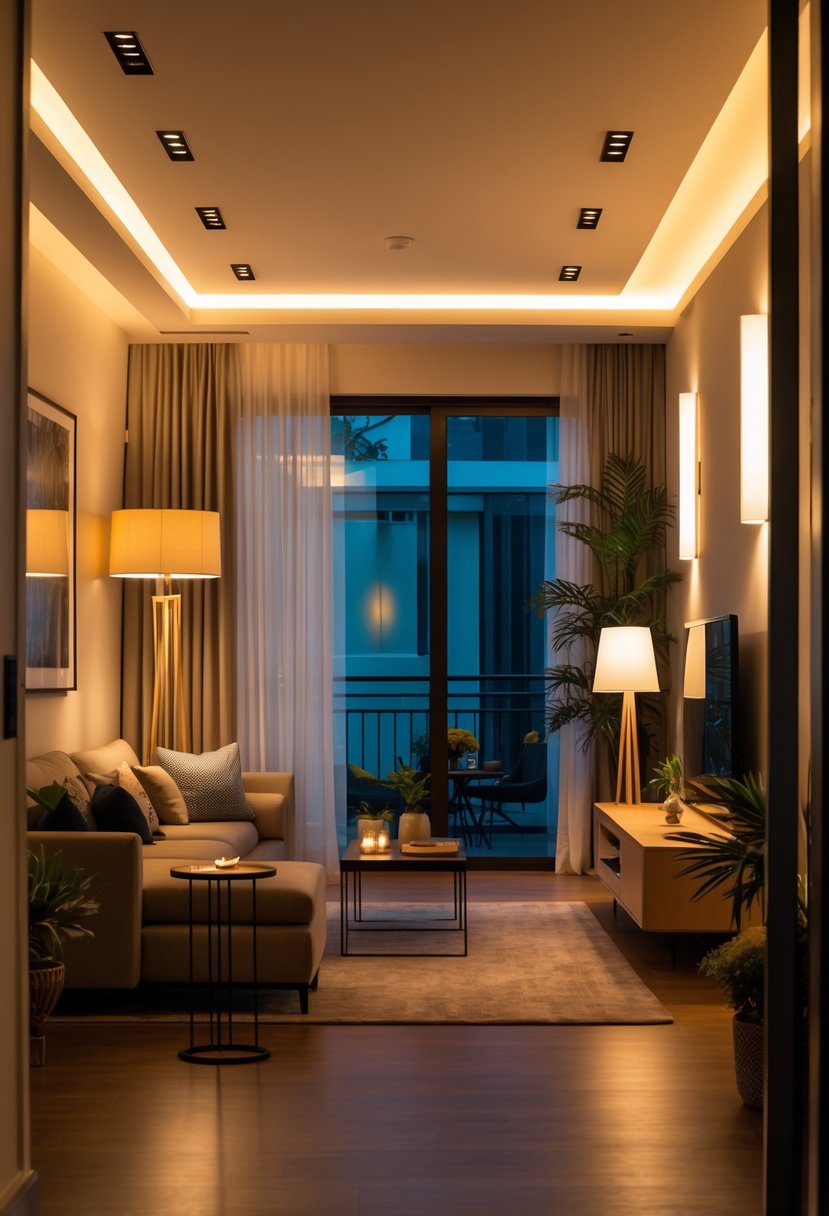
They can use overhead fixtures to provide even, general light across the room.
Floor lamps work well near seating areas for reading or relaxing.
Wall sconces add soft light and highlight artwork or architectural details.
8. Display curated art pieces to personalize the space
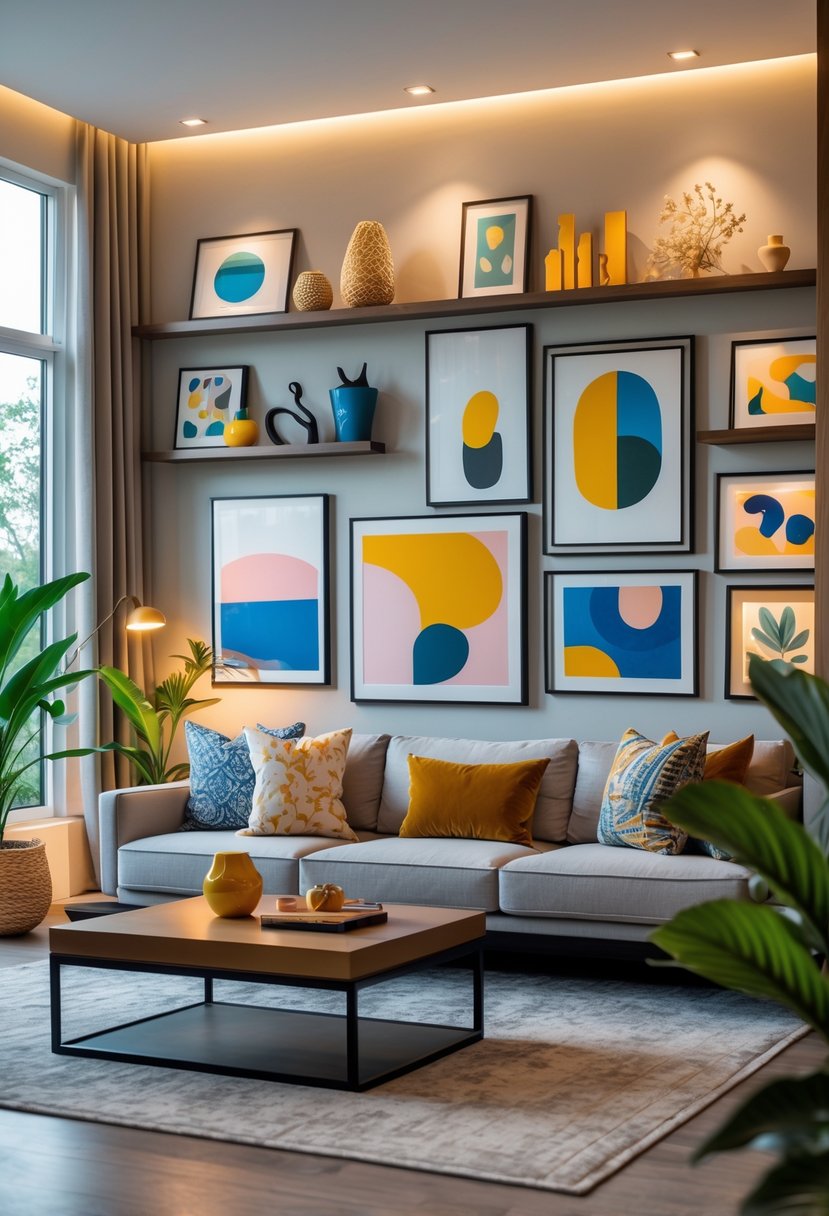
They can choose artwork that reflects their taste, such as prints, paintings, or photographs.
Arranging pieces in a gallery wall or as a single focal point helps the room feel intentional and balanced.
Mixing frames, sizes, and textures adds depth without overwhelming the space.
9. Incorporate indoor plants for freshness and air quality
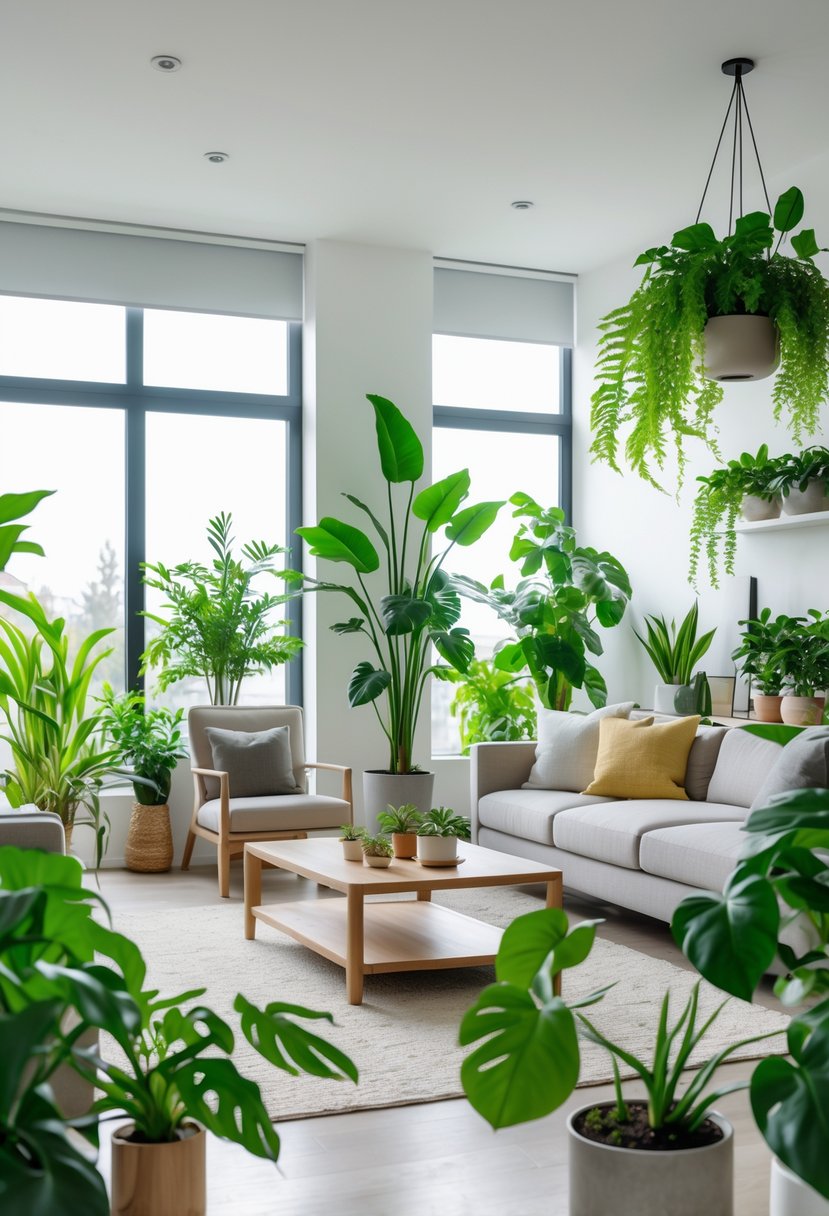
Indoor plants add a natural touch to the living room while helping improve air circulation.
They introduce greenery that softens furniture lines and brightens empty corners.
Simple choices like ferns, snake plants, or peace lilies work well in most spaces.
10. Opt for multifunctional furniture like ottomans with storage
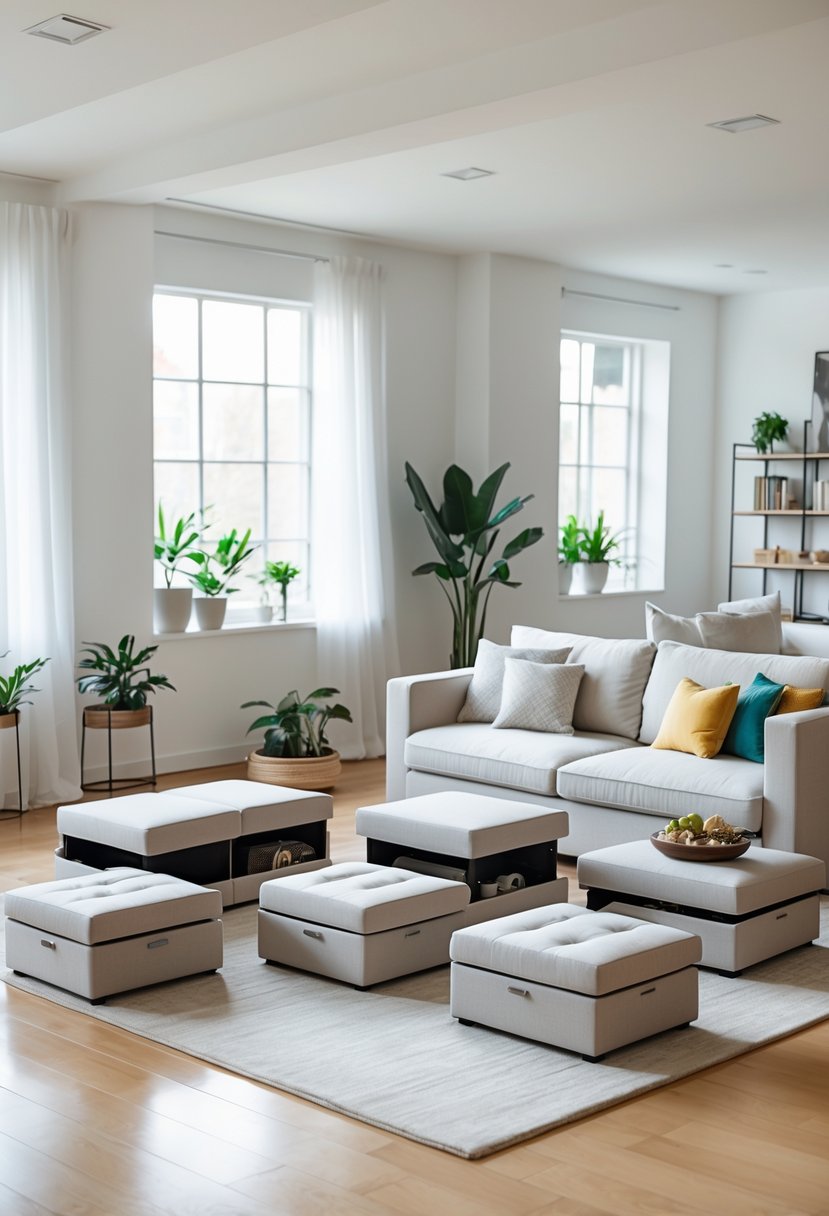
They can use multifunctional furniture to save space and reduce clutter.
An ottoman with storage provides seating, a footrest, and hidden space for items like blankets or magazines.
These practical pieces help keep the living room organized while maintaining a clean look.
11. Create a gallery wall with varied frame styles
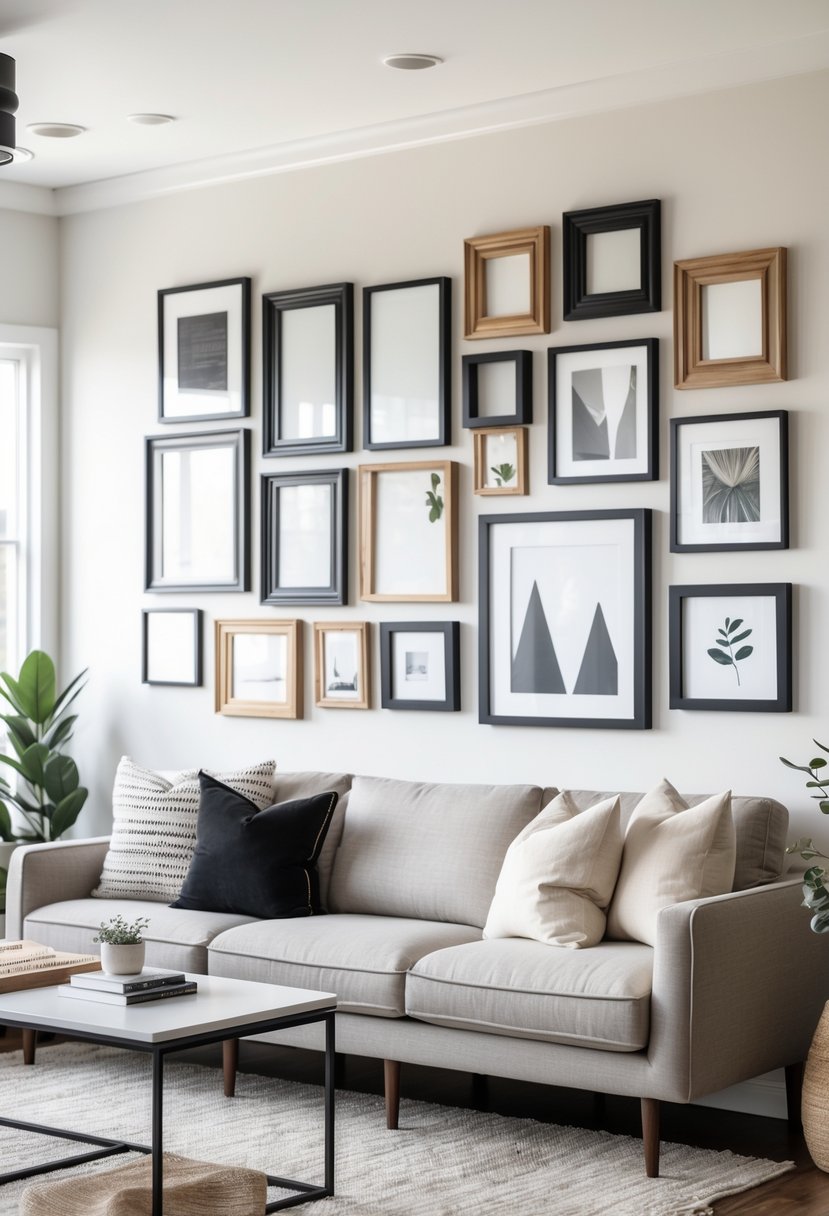
They can mix frame shapes, sizes, and finishes to add visual interest.
Using both modern and vintage frames helps balance contrast while keeping the display cohesive.
Placing art, photos, or prints together creates a personalized focal point in the living room.
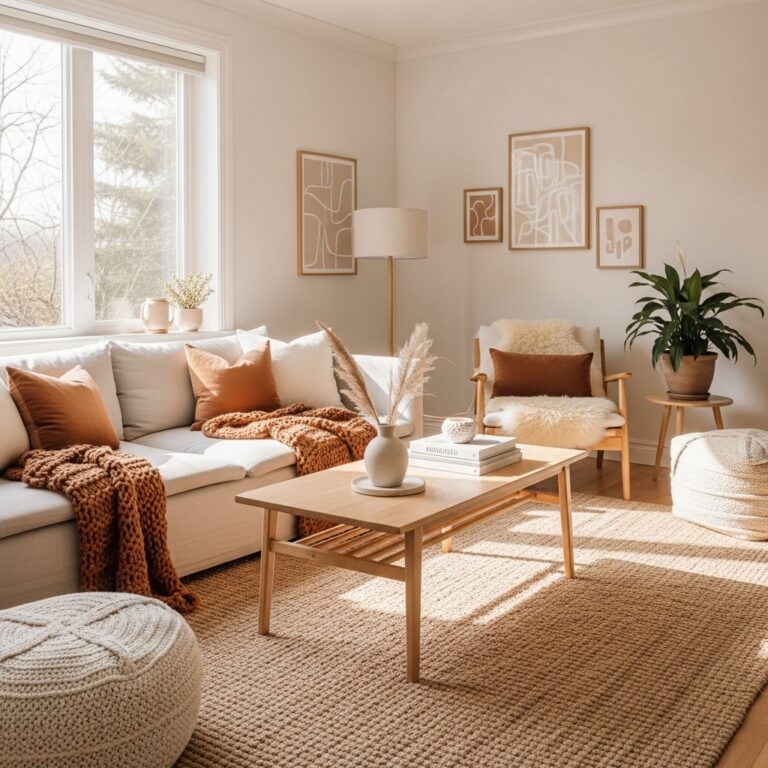
12. Use textured throw pillows and blankets for coziness
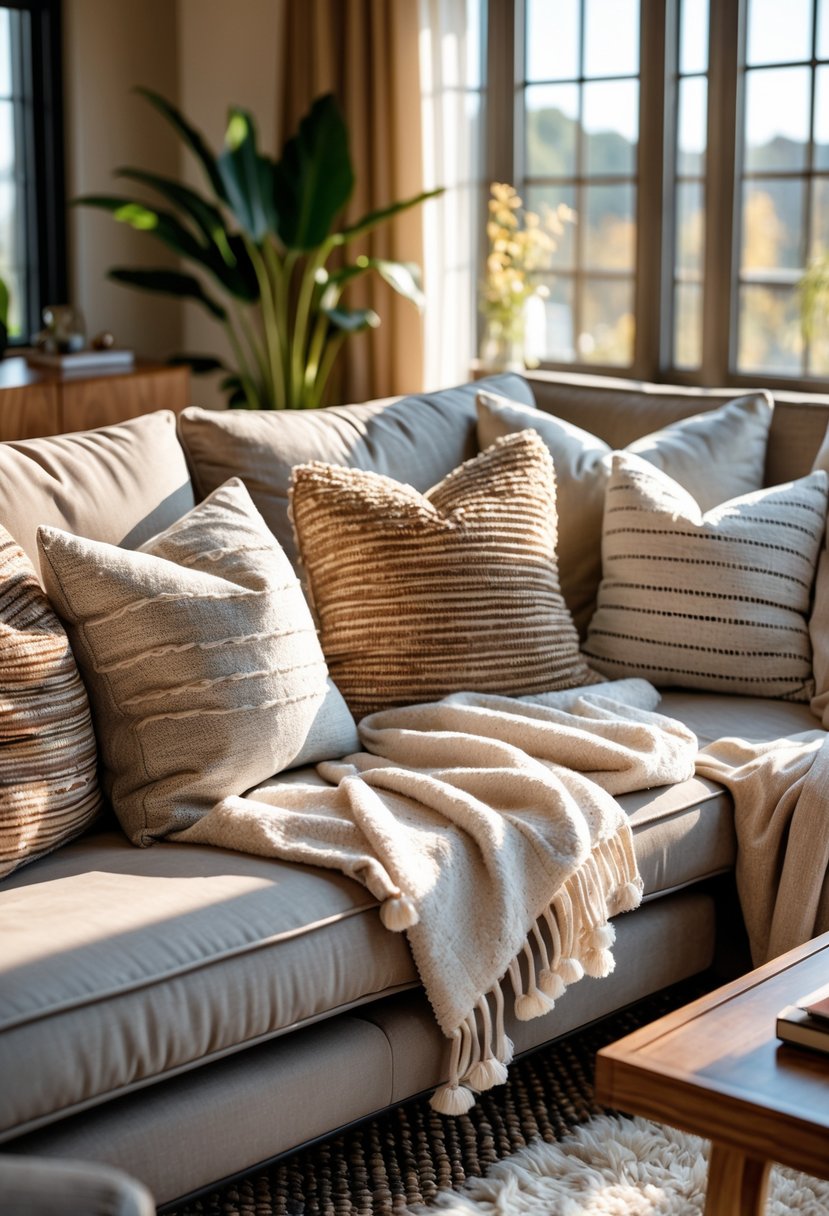
Textured throw pillows and blankets add warmth and comfort to a living room. They create a layered look that feels inviting.
Mixing fabrics like cotton, wool, or faux fur introduces variety. These small details make seating areas more comfortable and visually appealing.
Draping a blanket over a sofa or stacking pillows on chairs also keeps the space functional and cozy.
13. Install a sleek media console to organize electronics
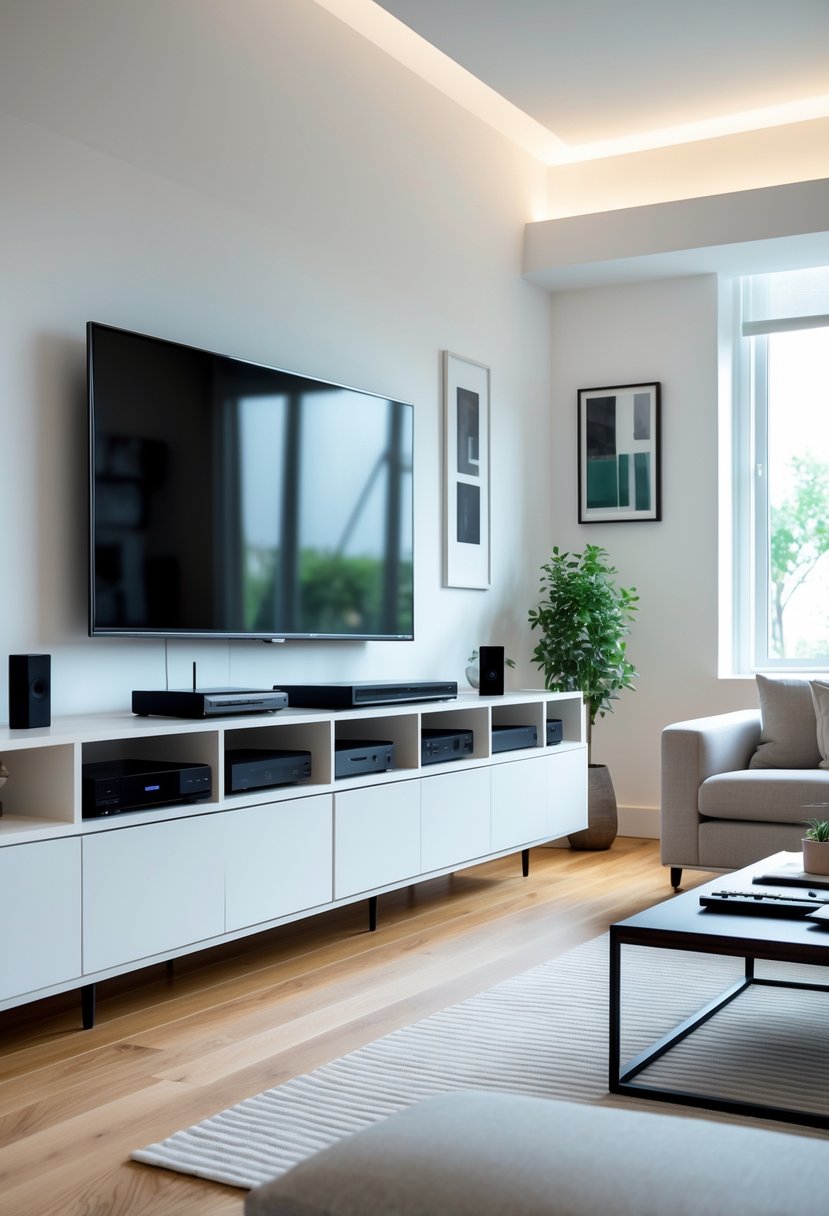
A media console keeps devices like game systems, streaming boxes, and speakers in one place. It reduces clutter and helps wires stay hidden.
They can choose from floating, modern, or classic wood designs. Each option offers storage while supporting the room’s style.
Some consoles also include shelves or drawers. This makes it easier to store remotes, movies, or extra cables.
14. Integrate a fireplace as a focal point
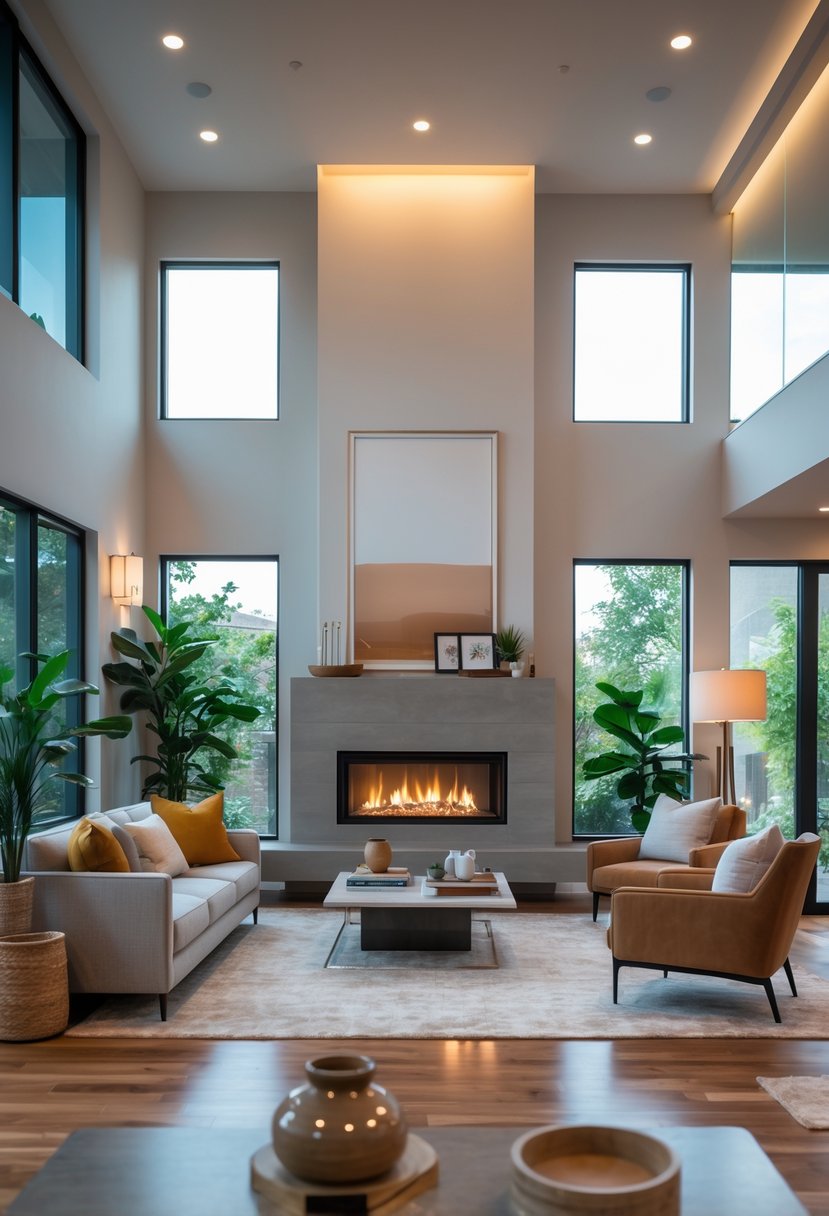
A fireplace naturally draws attention and creates a central gathering spot in the living room.
They can style the mantel with simple decor or leave it clean for a modern look.
Furniture arranged around the fireplace helps define the space and highlight its role.
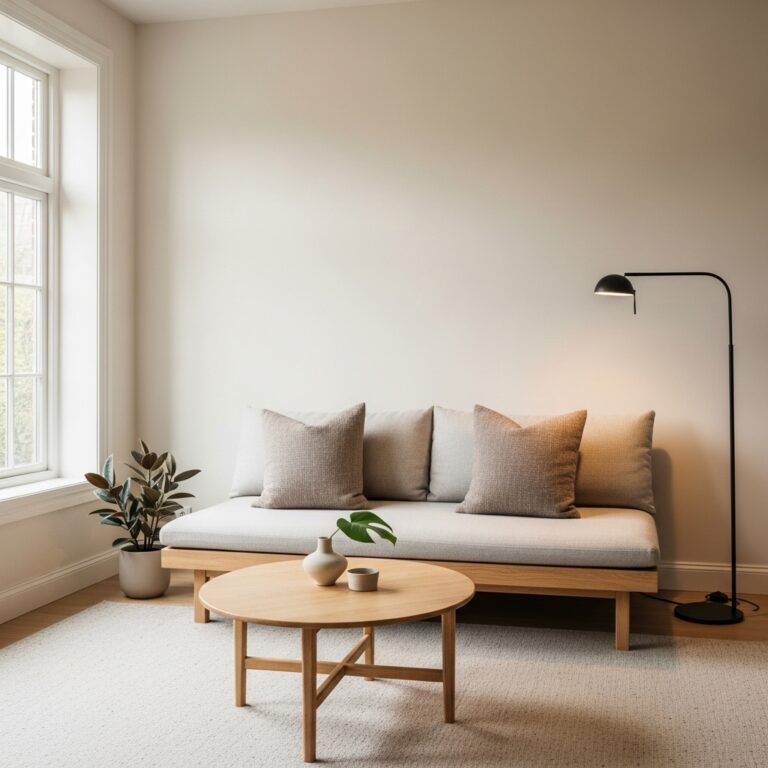
15. Select minimalist furniture with clean lines
They should choose furniture that serves a clear purpose and avoids excess detail.
Simple sofas, slim coffee tables, and storage pieces keep the space organized.
Clean lines and neutral finishes help the room feel open and uncluttered.
Key Principles of 15 Living Room Design
A well-designed 15 x 15 living room depends on how furniture, colors, and layout work together. Each choice should support comfort, function, and visual balance without wasting space.
Balancing Functionality and Style
A 15 x 15 living room offers enough room for flexibility, but it still requires careful planning. Furniture should serve a purpose while also contributing to the overall look. A sofa with hidden storage, for example, adds both seating and organization.
To avoid clutter, it helps to limit the number of large pieces. A central sofa, two chairs, and a coffee table often create a balanced setup. Accent furniture like side tables or shelving should be chosen only if they add function.
Lighting also plays a role in this balance. Floor lamps and table lamps provide practical illumination while also acting as design elements. A mix of overhead and task lighting keeps the room both stylish and usable.
Color Palette Considerations
Color directly affects how a 15 x 15 room feels. Lighter shades such as soft gray, beige, or white can make the space appear larger and brighter. Darker tones like navy or charcoal add depth but should be balanced with lighter accents.
Using no more than three main colors creates harmony. A neutral base with one bold accent color often works well. For example:
| Base Color | Accent Color | Secondary Color |
|---|---|---|
| Light Gray | Deep Blue | White |
| Beige | Olive Green | Cream |
| White | Terracotta | Soft Brown |
Textures also influence the palette. A mix of matte and glossy finishes, or soft fabrics paired with wood, adds interest without overwhelming the room.
Optimizing Space and Layout
The layout of a 15 x 15 living room should support both movement and conversation. Placing the sofa against one wall can open up floor space, while arranging chairs opposite creates a natural social area.
Traffic flow matters. Walkways should be at least 3 feet wide to avoid crowding. Furniture should not block doors, windows, or main pathways.
Zoning can also improve function. A rug under the seating area defines a conversation zone, while a small desk in a corner creates a work spot. This approach makes the room feel organized and purposeful without reducing comfort.
Enhancing Ambiance in 15 Living Rooms
A living room’s atmosphere depends on how light interacts with the space and how surfaces, fabrics, and finishes influence comfort. Both elements shape mood, highlight design choices, and make the room feel more welcoming.
Lighting Strategies
Lighting affects both function and mood. A balanced setup includes a mix of ambient, task, and accent lighting. Ambient light comes from ceiling fixtures or recessed lights, task lighting from floor or table lamps, and accent lighting from wall sconces or LED strips. Each type serves a clear purpose and prevents the room from feeling flat.
Natural light also plays an important role. Large windows, sheer curtains, and reflective surfaces maximize daylight. Positioning mirrors across from windows helps bounce sunlight deeper into the room.
Layered lighting creates flexibility. For example:
- Ceiling fixture: General brightness
- Table lamps: Focused light for reading
- Wall sconces: Soft glow for evenings
Dimmers add control, allowing the same space to shift from bright and energetic to calm and relaxed. Choosing warm-toned bulbs often makes a room feel more comfortable, while cooler tones can highlight modern design.
Incorporating Textures and Materials
Textures and materials influence how a living room feels and looks. Soft fabrics like cotton, wool, or faux fur add warmth, while smooth surfaces such as glass or polished wood create contrast. Combining both prevents the space from appearing one-dimensional.
Layering materials is effective. A leather sofa paired with a woven throw, a plush rug under a sleek coffee table, or linen curtains beside a stone fireplace builds visual depth.
Greenery also adds texture. Plants introduce natural variation and color, breaking up solid surfaces and making the space feel lively.
A simple approach is to mix three material types:
- Soft textiles (pillows, rugs, throws)
- Natural elements (wood, plants, stone)
- Refined finishes (metal, glass, ceramic)
This balance creates comfort while keeping the room visually engaging.
Frequently Asked Questions
Living room layouts often depend on room size, focal points like fireplaces or TVs, and how the space will be used daily. Furniture placement, color choices, and storage solutions can all make a medium-sized room feel more open, practical, and balanced.
What are effective ways to layout a 15×20 living room with a fireplace?
Place the main seating area so it faces the fireplace, creating a natural focal point. A modular sofa works well for flexible seating, while accent chairs can balance the layout. Built-in shelving on either side of the fireplace adds storage and symmetry.
How can I design a 12×15 living room to maximize space?
Choose furniture with slim profiles and avoid oversized pieces. Floating shelves and wall-mounted lighting free up floor space. A neutral color palette with one bold accent wall helps the room feel open without losing character.
What are the best furniture arrangements for a 15×15 living room with a TV?
Position the TV on the longest wall to maximize viewing angles. A sectional or modular sofa can define the seating area, while a statement area rug anchors the space. Keep pathways clear to maintain good flow around the room.
What design tips can help make an 11×15 living room feel more spacious?
Use sheer curtains to maximize natural light and make the room feel larger. Light-colored walls paired with a few darker accents create depth without crowding the space. Multi-purpose furniture, such as ottomans with storage, reduces clutter.
How can I create a functional and stylish 14×16 living room layout?
Divide the room into zones, such as a seating area and a reading nook. A mix of closed storage and open shelving keeps the space tidy while adding visual interest. Adding a bold area rug under the main seating ties the design together.
What are the key considerations for choosing a color scheme for a medium-sized living room?
Neutral tones provide a flexible base and make the room feel calm. Adding bold accent walls or colorful accessories introduces personality without overwhelming the space. The balance of light and dark shades helps define different design elements.