15 Small Bedroom Ideas To Maximize Space With 9 Practical Tips
Small bedrooms often feel tricky to design, but with the right approach, they can become both comfortable and practical. The key lies in using space wisely while keeping the room open and inviting. This article shows how simple adjustments in furniture, layout, and design choices can make a small bedroom work better without losing style.

The ideas ahead focus on smart furniture, light-enhancing design, and storage solutions that fit into tight spaces. By following these strategies, anyone can create a bedroom that feels larger, functions well, and still reflects personal style.
Small Bedroom Ideas
1) Use multi-functional furniture like a bed with built-in drawers in Small Bedroom
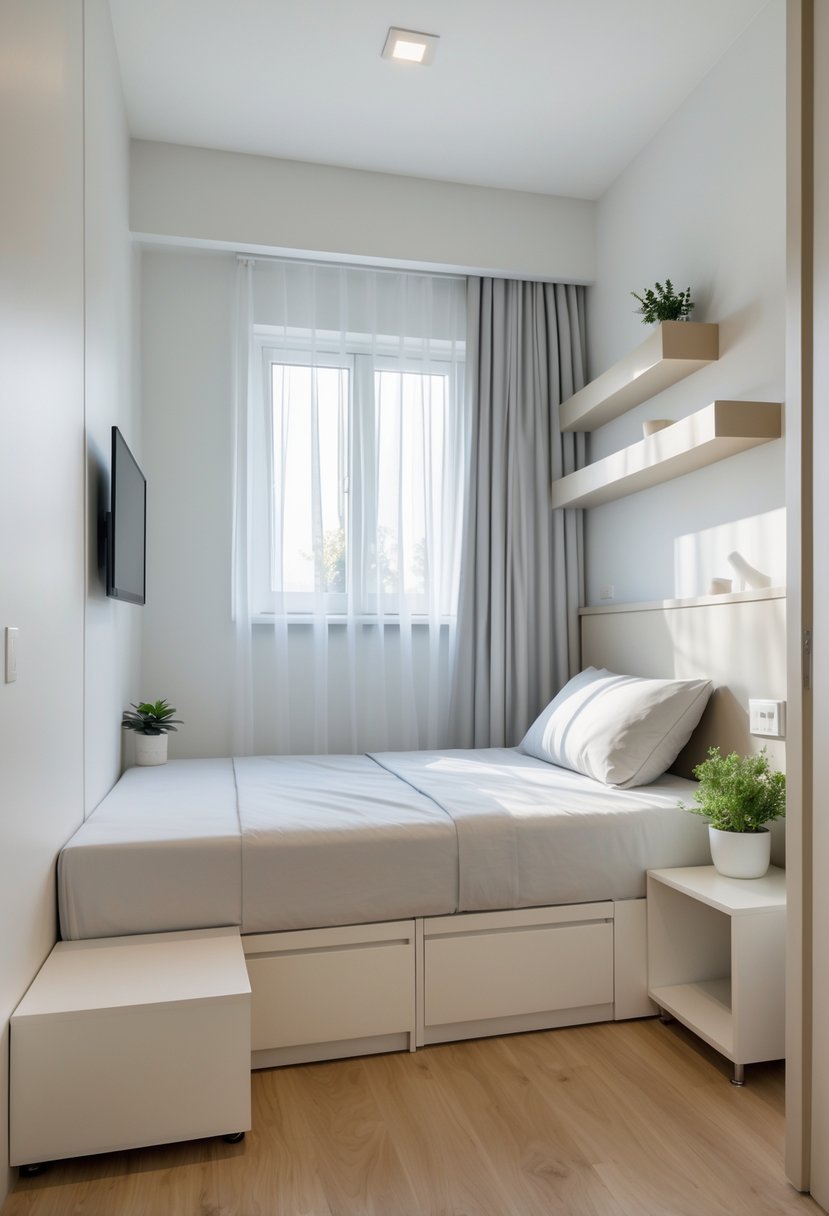
A bed with built-in drawers helps save floor space. It keeps clothing, bedding, or other items neatly stored.
This design reduces clutter and makes the room feel more organized.
2) Install floating shelves to free up floor space for Small Bedroom
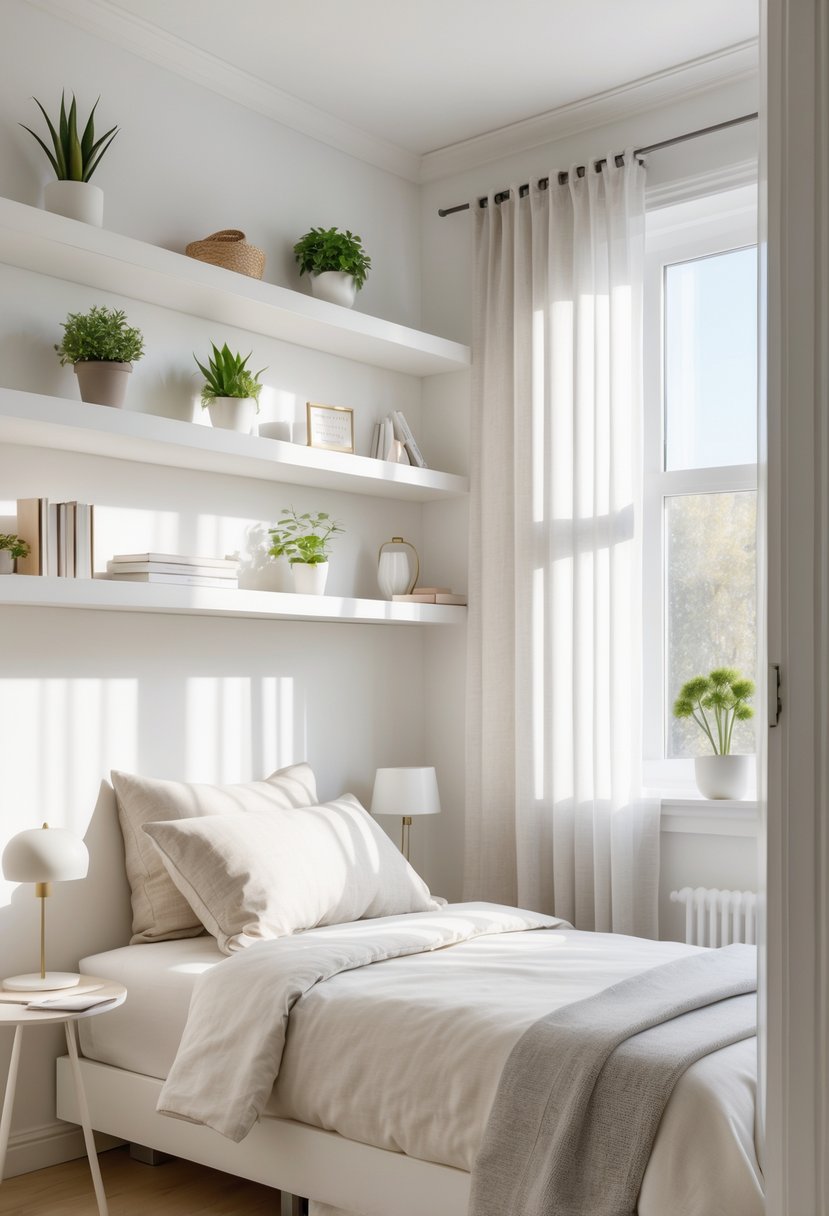
Floating shelves help keep items off the floor, making the room feel more open.
They provide storage for books, decor, or essentials without using bulky furniture.
Placing shelves higher draws the eye upward, adding useful vertical storage.
3) Choose light paint colors to make the room feel larger when small room
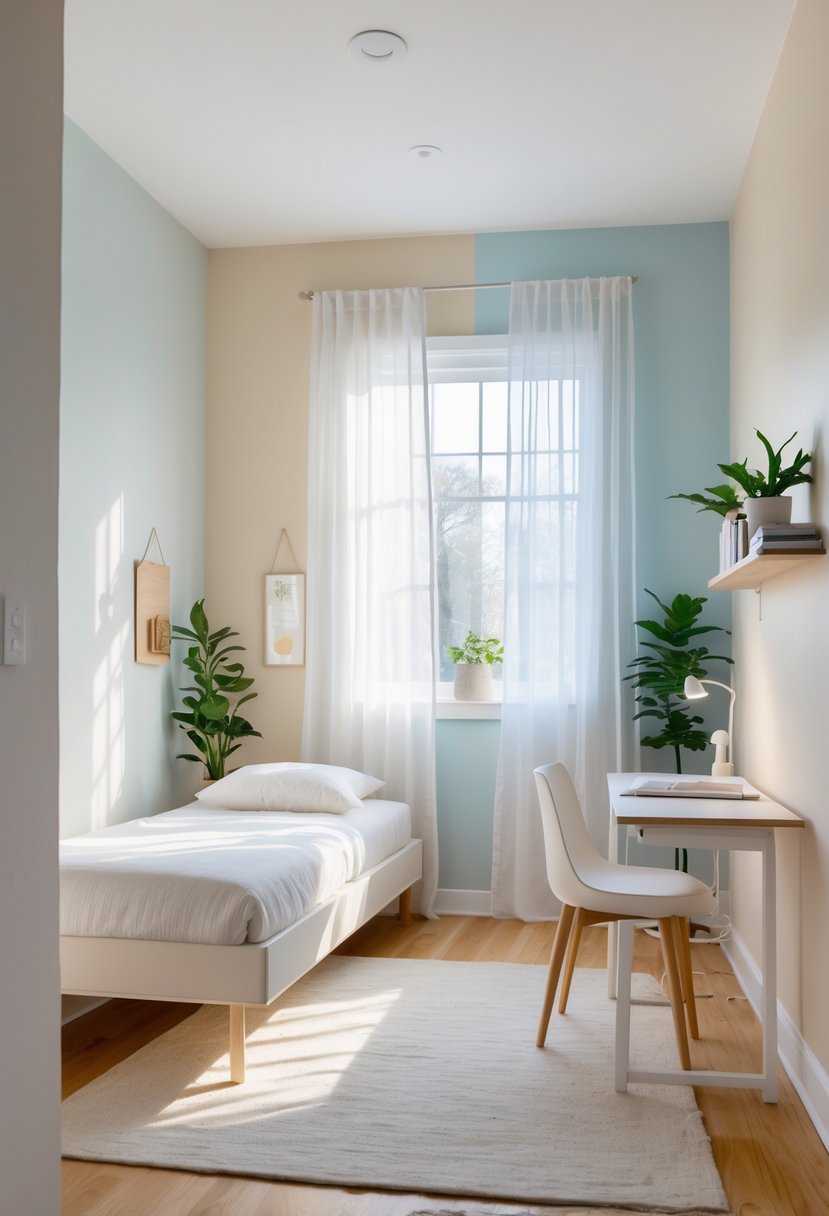
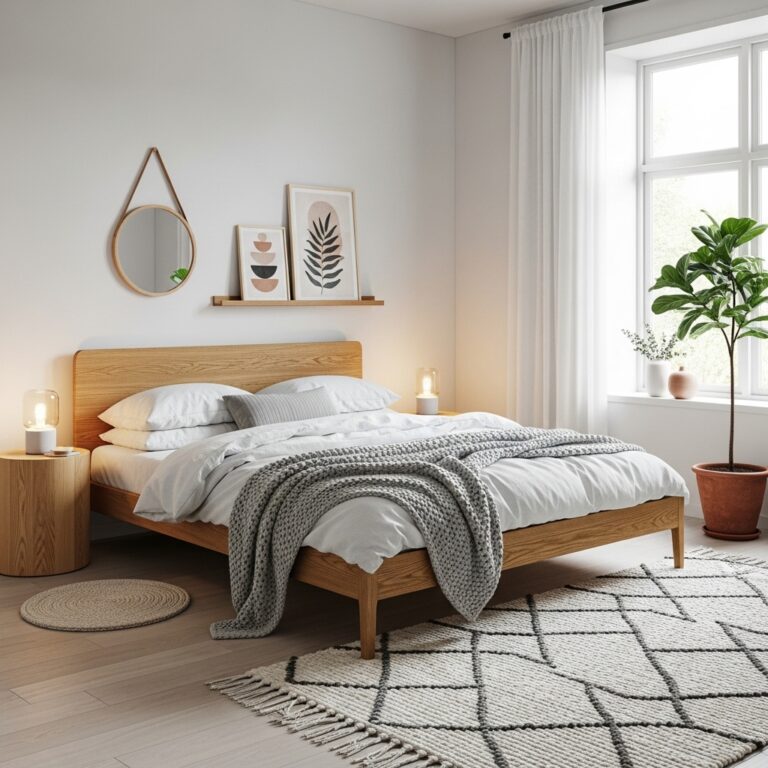
Light colors like soft whites, pale grays, and pastels reflect more light.
This makes walls appear farther apart and helps small bedrooms feel more open.
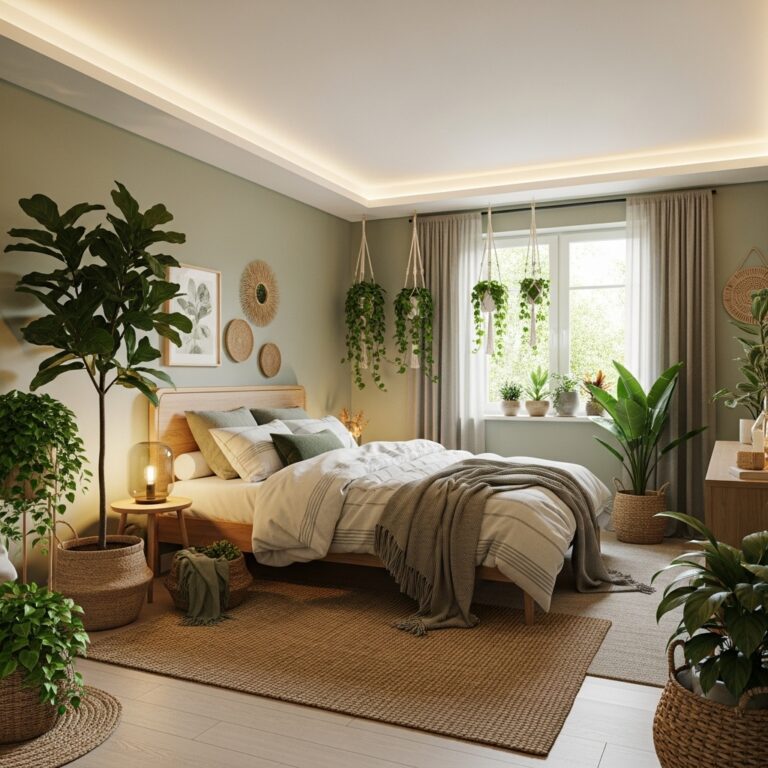
Cool tones such as light blue or soft green can also create a calm, spacious look.
4) Incorporate mirrors to reflect light and create depth
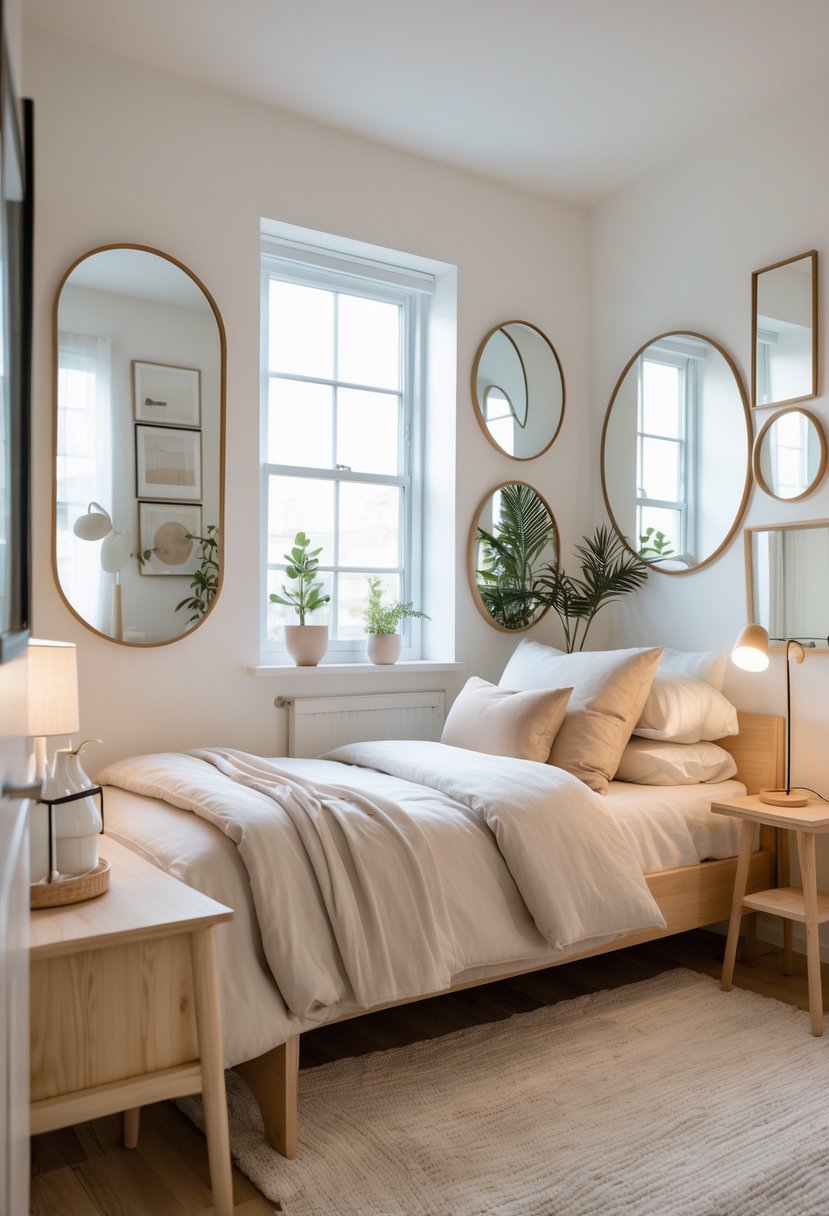
They can place mirrors across from windows to bounce natural light around the room.
A full-length mirror against a wall can make the space appear more open.
Grouping smaller mirrors adds visual interest while reflecting light from different angles.
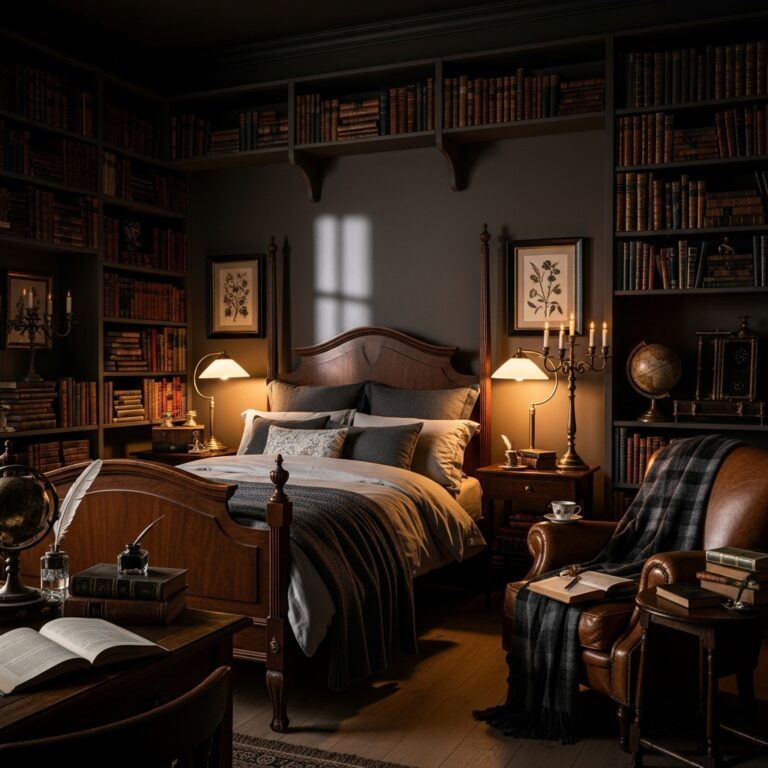
5) Opt for vertical storage solutions such as tall bookcases
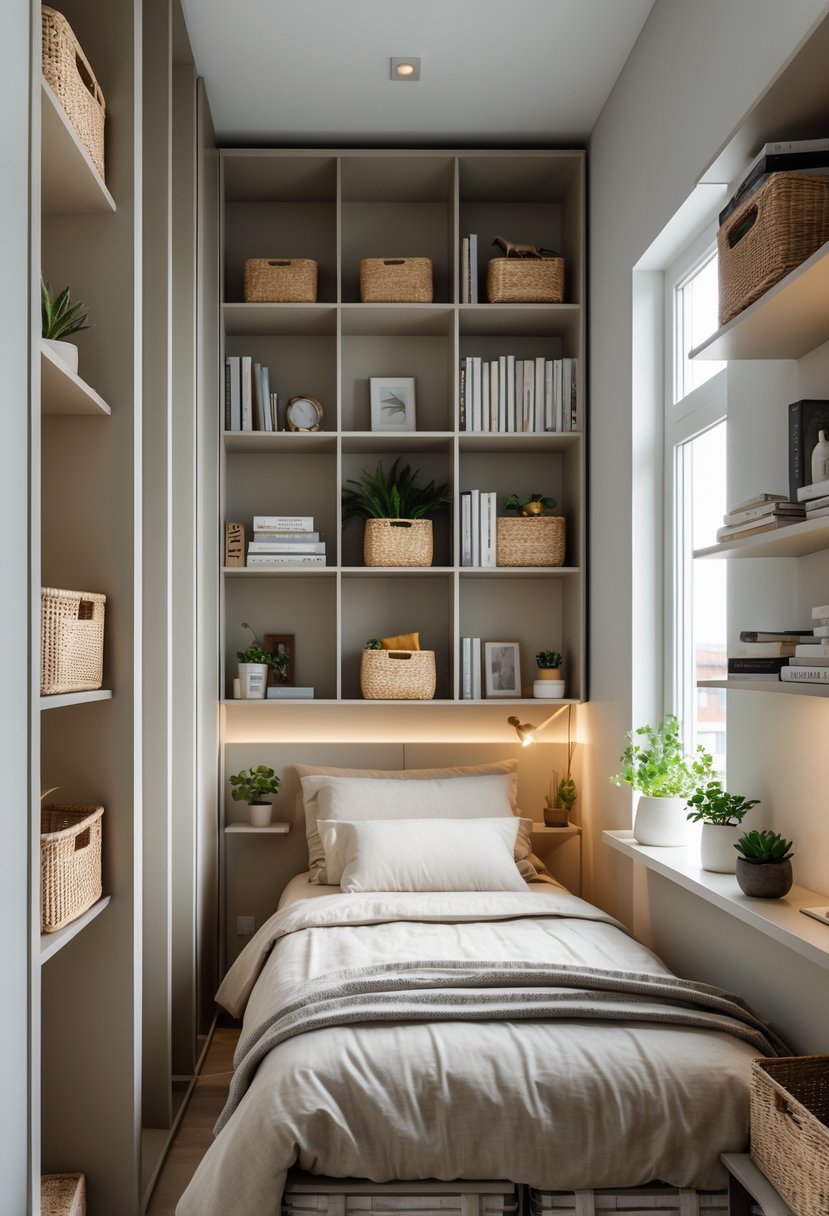
Tall bookcases use wall space instead of floor space.
They provide organized storage for books, decor, or folded clothes.
This keeps the room tidy while leaving more walking space.
6) Use under-bed storage bins to maximize hidden space
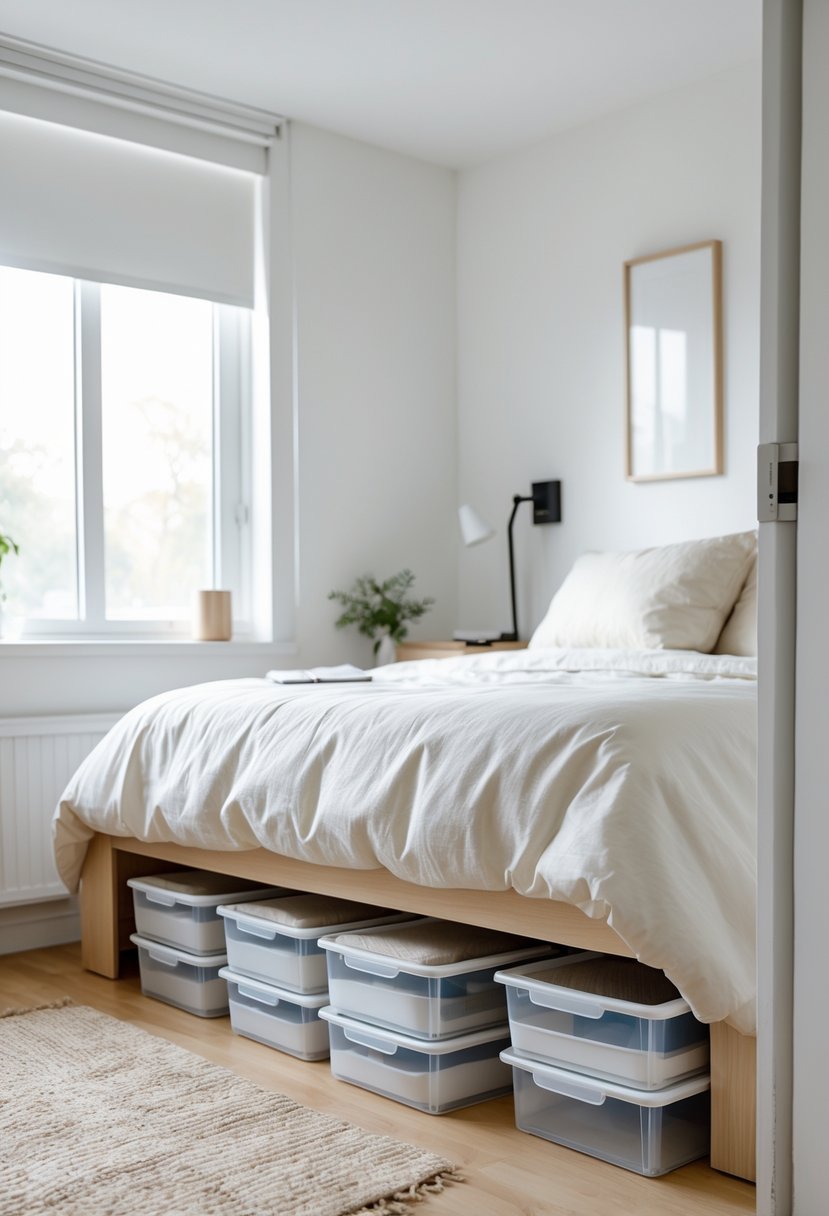
They can slide bins under the bed to store clothes, shoes, or bedding.
Lidded or clear containers help protect items and make them easier to find.
Wheeled bins allow quick access without heavy lifting.
Small Bedroom ideas.
7) Select a wall-mounted desk for a compact workspace
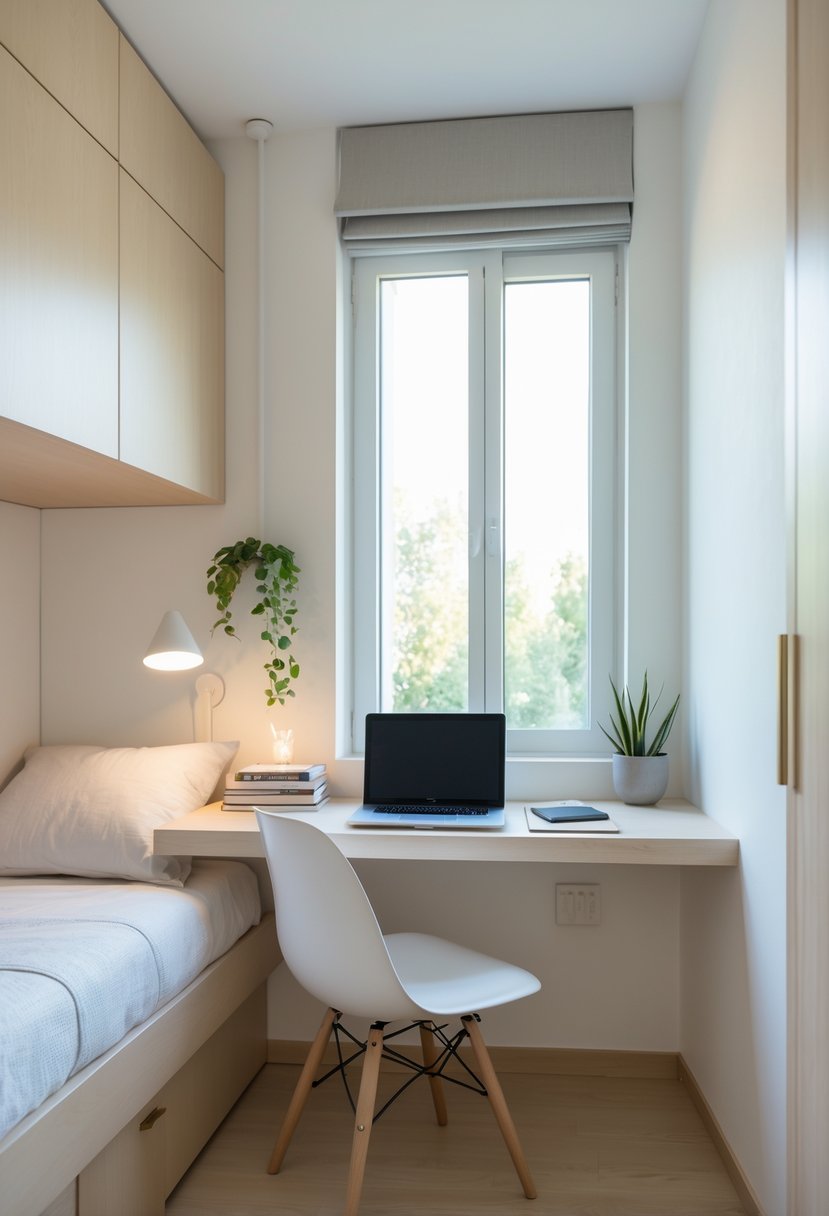
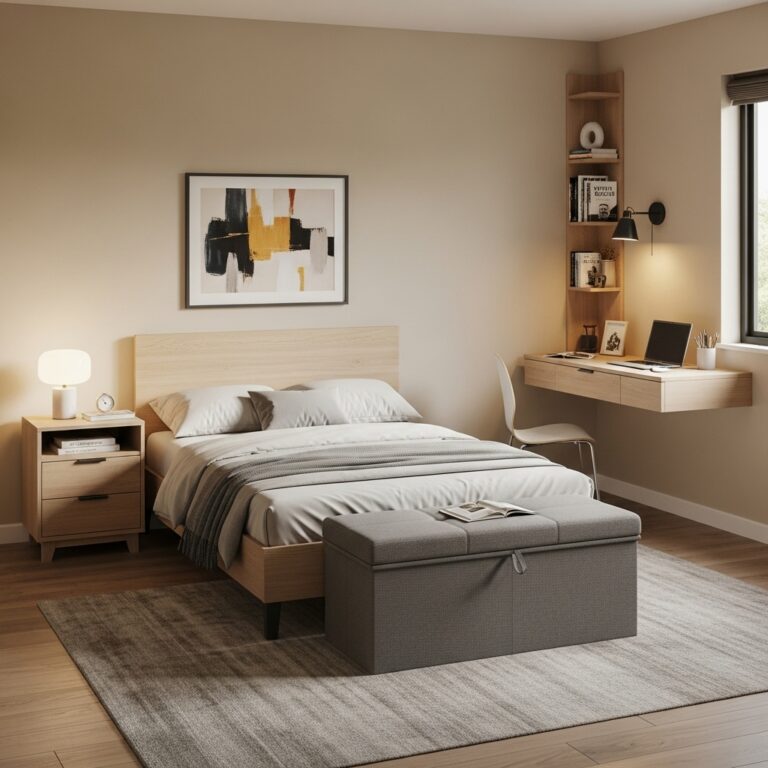
A wall-mounted desk saves floor space and creates a simple work area.
Many designs fold up when not in use, keeping the bedroom uncluttered.
8) Keep window treatments minimal to allow natural light
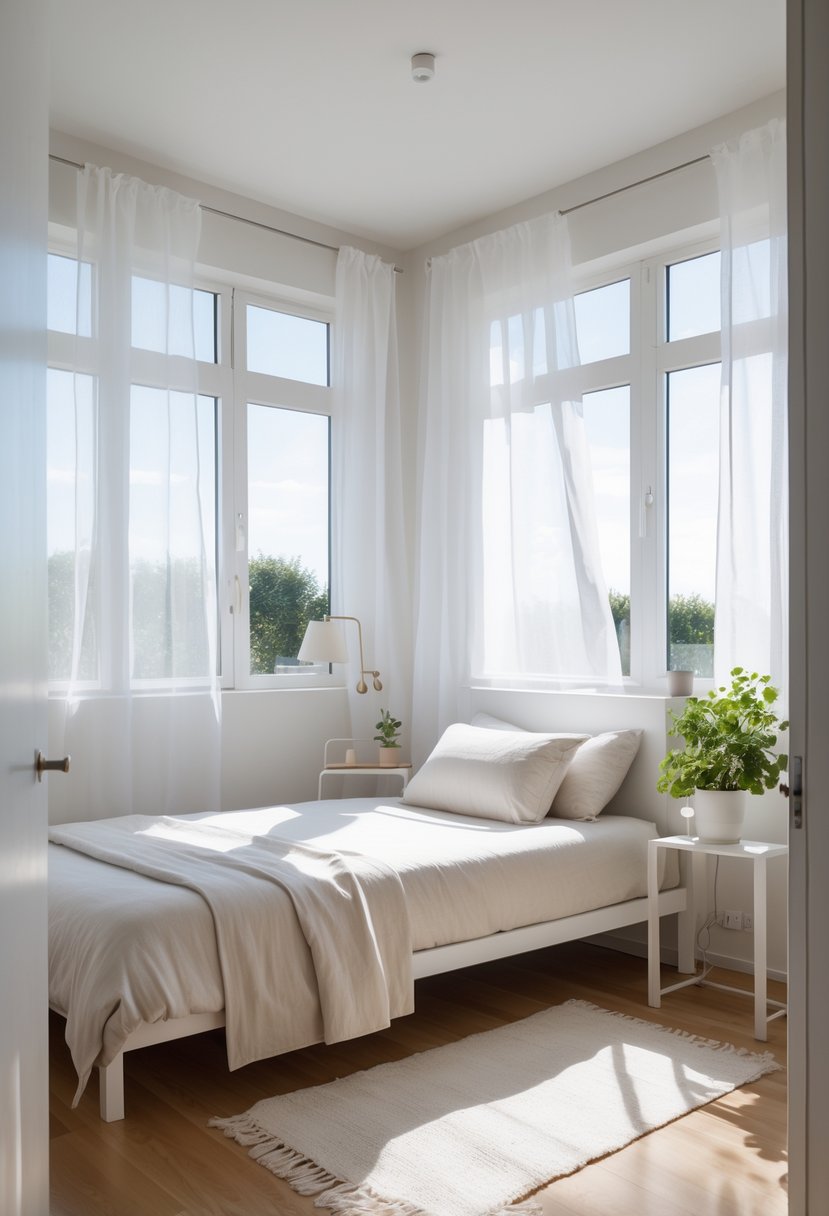
Sheer curtains or light fabrics let sunlight enter while still providing privacy.
Slim curtain rods or ceiling tracks keep the look simple and make windows appear taller.
9) Use sliding doors to save space compared to swinging doors
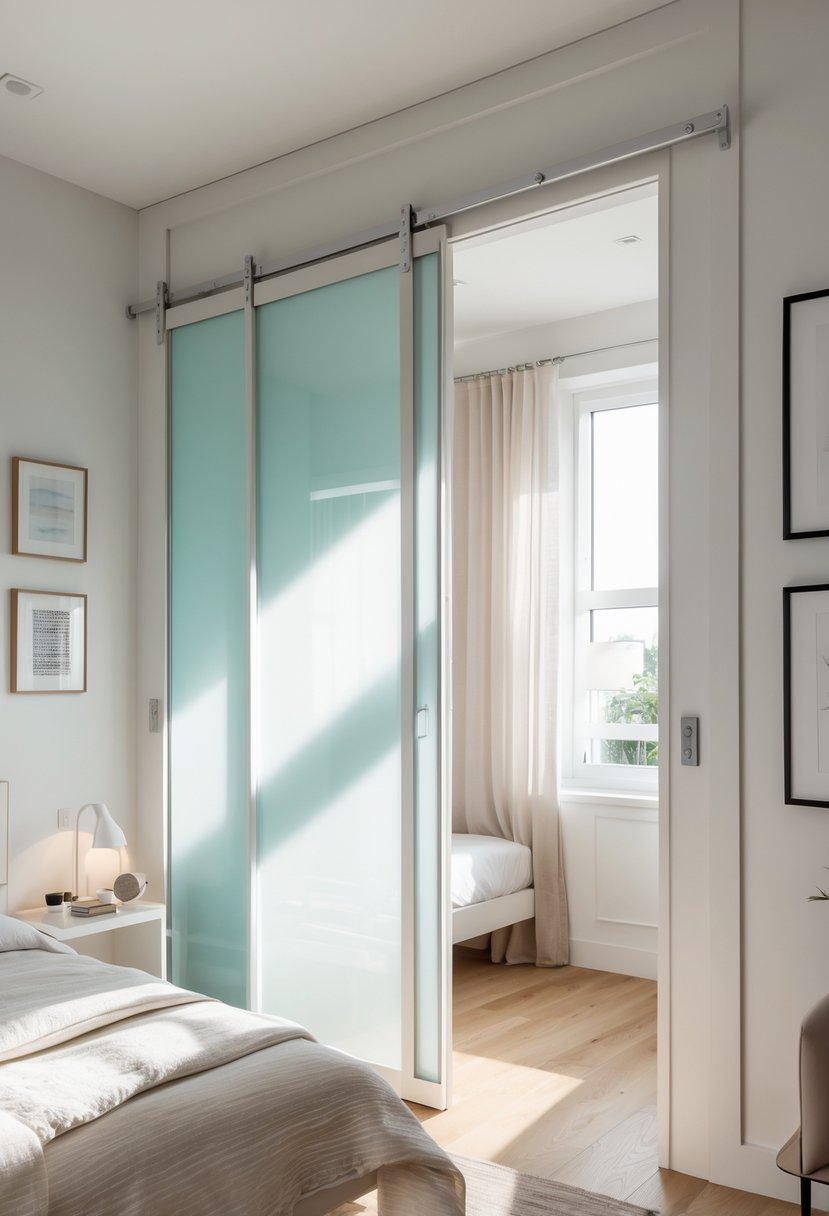
Sliding doors remove the need for floor space that swinging doors require.
They allow furniture placement closer to entryways without blocking movement.
This makes them practical in small bedrooms where every square foot matters.
Design Principles for Small Bedrooms
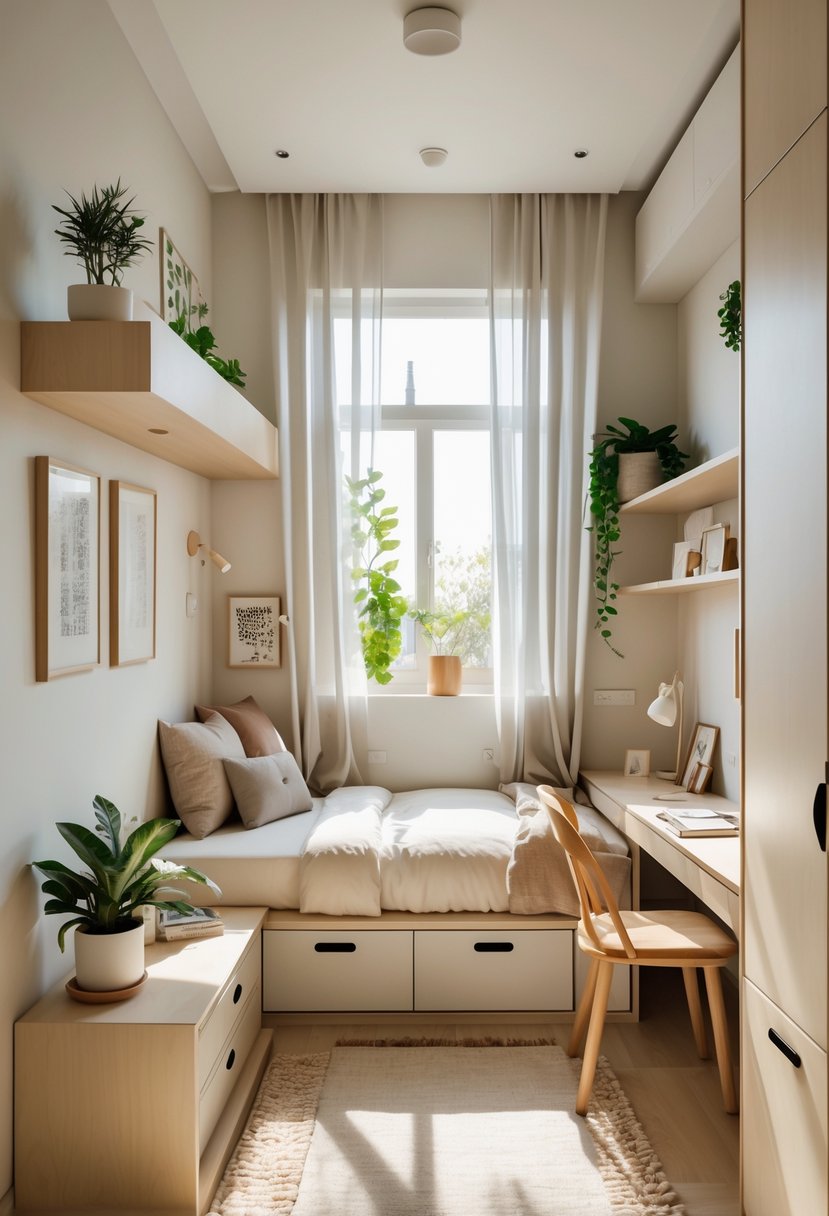
A small bedroom benefits most from thoughtful use of light, color, and layout. The right choices can make the room feel more open, comfortable, and practical without adding clutter or sacrificing comfort.
Maximizing Natural Light
Natural light makes a small room feel larger and less confined. Placing the bed or main furniture away from windows allows light to flow freely across the space. Sheer curtains or blinds work better than heavy drapes because they soften light without blocking it.
Mirrors can also increase brightness by reflecting sunlight into darker corners. A tall mirror opposite a window is especially effective. Glossy or light-reflective surfaces on furniture, such as lacquered nightstands, further enhance the effect.
For spaces with limited windows, choosing pale wall colors and keeping window coverings minimal helps maximize available light. Even a small skylight or transom window can make a significant difference in how open the room feels.
Choosing the Right Color Palette
Color has a strong impact on how spacious a bedroom looks. Light shades such as soft white, pale gray, or muted beige make walls recede visually, creating an airy feeling. Pastel tones can add warmth without closing in the space.
Dark colors can still work but should be used carefully. For example, an accent wall in navy or charcoal can add depth when balanced with lighter surrounding walls. Pairing darker tones with light bedding, curtains, and flooring keeps the room from feeling heavy.
Limiting the palette to two or three main colors prevents the room from looking busy. Consistency between walls, furniture, and textiles helps create a unified design that feels calm and uncluttered.
Balancing Functionality and Style
Small bedrooms need to combine storage with comfort. Multi-purpose furniture such as beds with drawers, wall-mounted shelves, or foldable desks saves space while keeping essentials accessible. A compact nightstand with built-in storage is often more practical than a larger decorative table.
Style should not be ignored, but it works best when tied to practical choices. For example, slim-profile lamps free up surface space while still adding character. Vertical storage solutions like tall bookcases or wall hooks reduce floor clutter and highlight height in the room.
Keeping décor minimal yet intentional helps balance function and appearance. A few well-chosen pieces—such as framed art or a textured rug—add personality without overwhelming the limited square footage.
Common Challenges and Solutions

Small bedrooms often face two main problems: not enough storage and layouts that don’t work well with standard furniture. Addressing these issues with practical choices can make the space more organized and comfortable.
Overcoming Limited Storage
A small bedroom can quickly feel cluttered when storage is overlooked. Using vertical space is one of the most effective solutions. Wall-mounted shelves, tall dressers, and over-the-door organizers keep items off the floor while still within reach.
Under-bed storage is another smart option. Drawers, rolling bins, or lift-up bed frames provide hidden space for clothing, shoes, or bedding. This keeps the room tidy without needing extra furniture.
Multi-functional furniture also plays a key role. A nightstand with drawers, a storage bench at the foot of the bed, or a desk with built-in shelves gives each piece more than one purpose.
Quick storage ideas:
- Use baskets or bins on closet shelves
- Add hooks behind doors
- Choose beds with built-in drawers
These small adjustments reduce clutter and create a more functional room without adding bulk.
Dealing With Awkward Layouts
Odd-shaped rooms, slanted ceilings, or narrow walls often make furniture placement difficult. The key is to work with the layout instead of forcing standard arrangements.
Placing the bed against the longest wall usually opens up more floor space. In tight corners, a platform bed or daybed can fit better than a traditional frame.
Custom or modular furniture often solves layout challenges. For example, a corner desk or floating shelves make use of areas that would otherwise stay empty.
Mirrors and light colors also help balance awkward proportions. They make narrow or angled spaces feel brighter and more open.
Layout tips:
- Use foldable or wall-mounted desks
- Position storage vertically in narrow areas
- Keep walkways clear to avoid a cramped feel
By adjusting furniture choices and placement, even unusual layouts can become practical and visually balanced.
Frequently Asked Questions
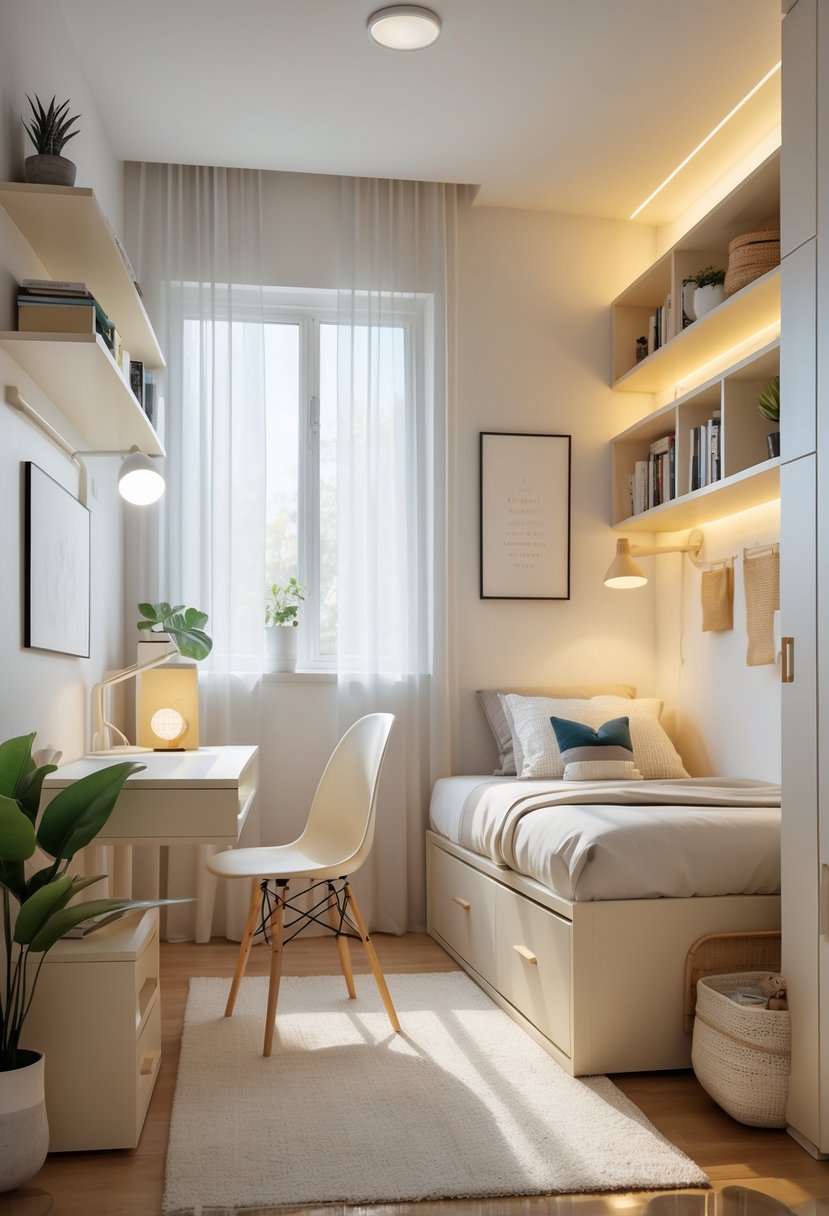
Small bedrooms can feel more open and functional with the right design choices. Furniture selection, color schemes, storage strategies, and lighting all play a role in creating a comfortable space that looks and feels larger.
How can I maximize space in a small bedroom?
They can make better use of space by choosing multi-functional furniture, such as a bed with built-in drawers or a desk that doubles as a nightstand. Floating shelves also help free up floor space while keeping items organized.
What color schemes work best for making a small bedroom appear larger?
Light colors, such as soft whites, pale grays, and muted pastels, make a room feel more open. Using a consistent color palette on walls, furniture, and bedding helps reduce visual clutter.
What are the best storage solutions for small bedrooms?
Vertical storage, like tall bookcases or wall-mounted shelves, maximizes unused wall space. Under-bed storage bins or drawers keep items hidden but accessible.
How do I choose furniture for a small bedroom?
They should select pieces that are scaled to the room and avoid bulky designs. Furniture with built-in storage or that serves more than one purpose works best for small spaces.
What lighting options are recommended for small bedrooms to enhance the space?
Wall-mounted sconces or pendant lights save surface space compared to table lamps. Mirrors placed near natural light sources also help reflect brightness and make the room feel larger.
Are there any specific design tips for decorating a small bedroom?
Using mirrors to create depth, keeping decor minimal, and arranging furniture to allow clear walking paths all improve the flow of a small room. Simple artwork and uncluttered surfaces maintain a clean and open look.