Japandi Style (Japanese + Scandinavian Fusion): The Art of Serene, Minimal Living
In the ever-evolving world of interior design, there’s a style that perfectly captures the balance between cozy comfort and minimal sophistication — Japandi Style (Japanese + Scandinavian Fusion). This unique design movement harmoniously merges the best of two worlds: the timeless simplicity of Japanese aesthetics and the warm functionality of Scandinavian design. The result is a home that feels calm, grounded, and effortlessly beautiful — a sanctuary that embodies mindfulness, nature, and understated elegance.
In this post, we’ll explore what makes Japandi so special, how to bring it into your home, and why this design philosophy goes far beyond aesthetics.
🌿 1. What is Japandi Style (Japanese + Scandinavian Fusion)?
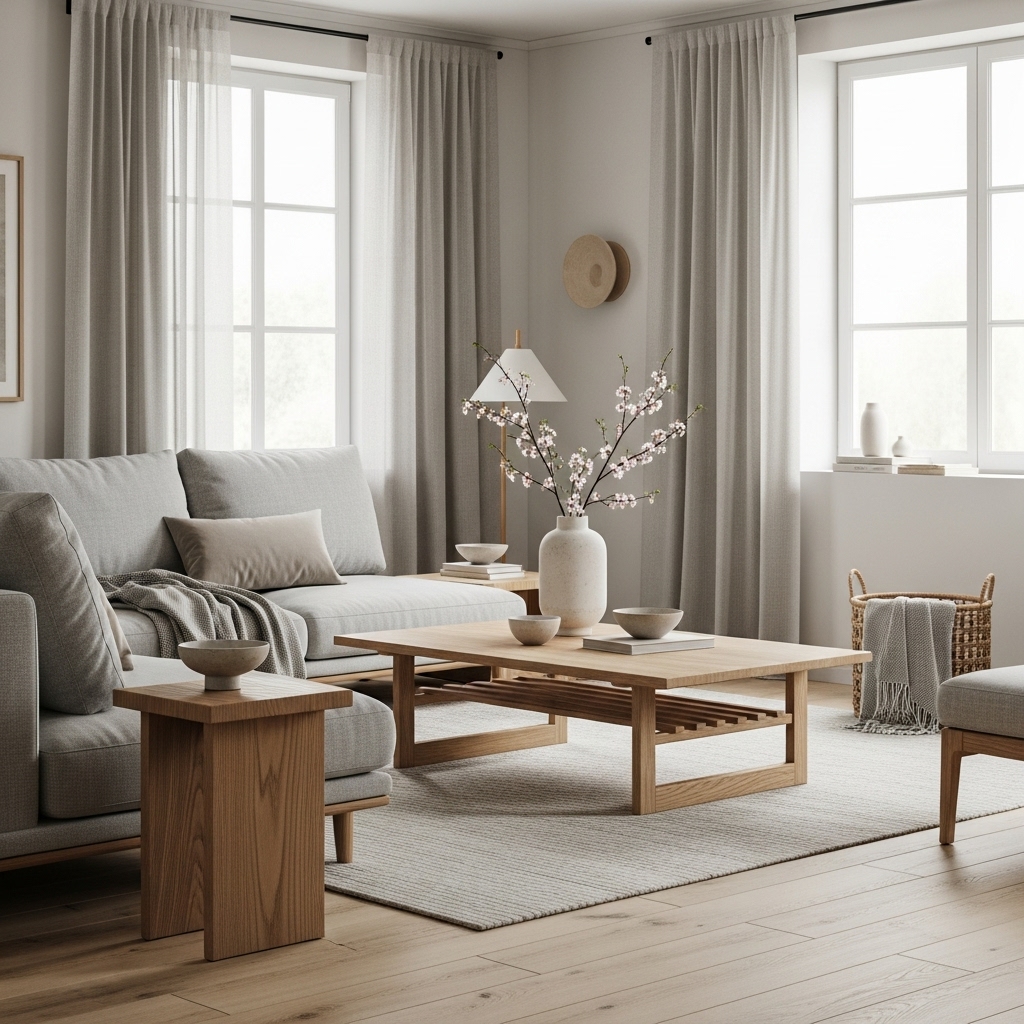
Japandi is a hybrid design trend that blends the wabi-sabi philosophy of Japanese interiors with the hygge coziness of Scandinavian living. While Japan celebrates the beauty of imperfection, natural materials, and simplicity, Scandinavia focuses on comfort, functionality, and warmth. Together, they create an atmosphere that’s both minimalist and inviting — clean yet cozy, refined yet relaxed.
Think of Japandi as minimalism with soul. It’s not about empty spaces or cold design; it’s about creating harmony between aesthetics and emotion. Every element in a Japandi home has purpose, meaning, and balance.
🪵 2. The Philosophy Behind Japandi Design
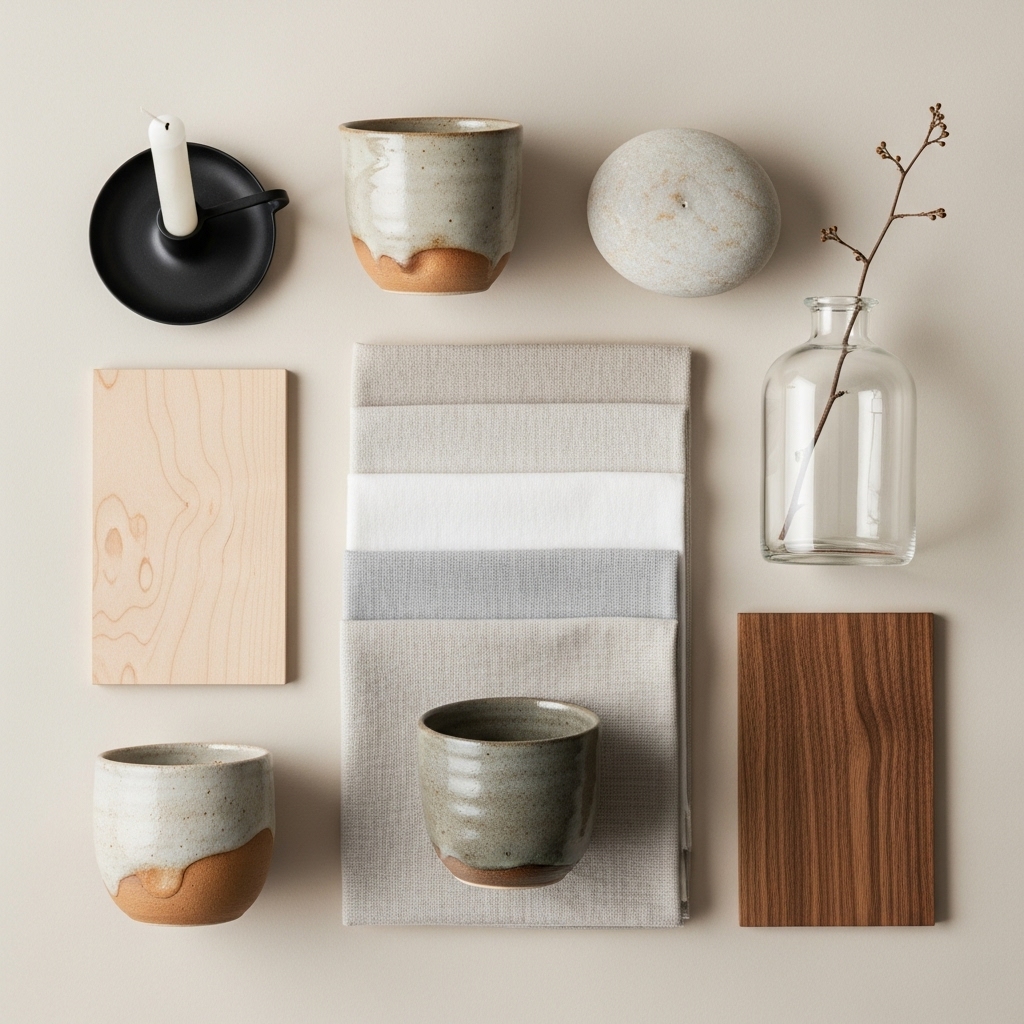
At its core, Japandi Style (Japanese + Scandinavian Fusion) is more than just a design trend — it’s a lifestyle philosophy. Both cultures value craftsmanship, mindfulness, and simplicity in everyday living.
- Wabi-Sabi (Japanese Influence): This concept finds beauty in imperfection and impermanence. Cracks in pottery, uneven wood grains, or slightly faded fabrics are not flaws — they’re reminders of life’s natural cycle.
- Hygge (Scandinavian Influence): This Danish idea is all about creating comfort, coziness, and togetherness. It emphasizes warmth, soft lighting, and inviting textures that make a house feel like a home.
When these ideas come together, they form the essence of Japandi: a mindful, functional, and emotionally balanced space.
🧺 3. The Japandi Color Palette: Soft, Neutral, and Earthy
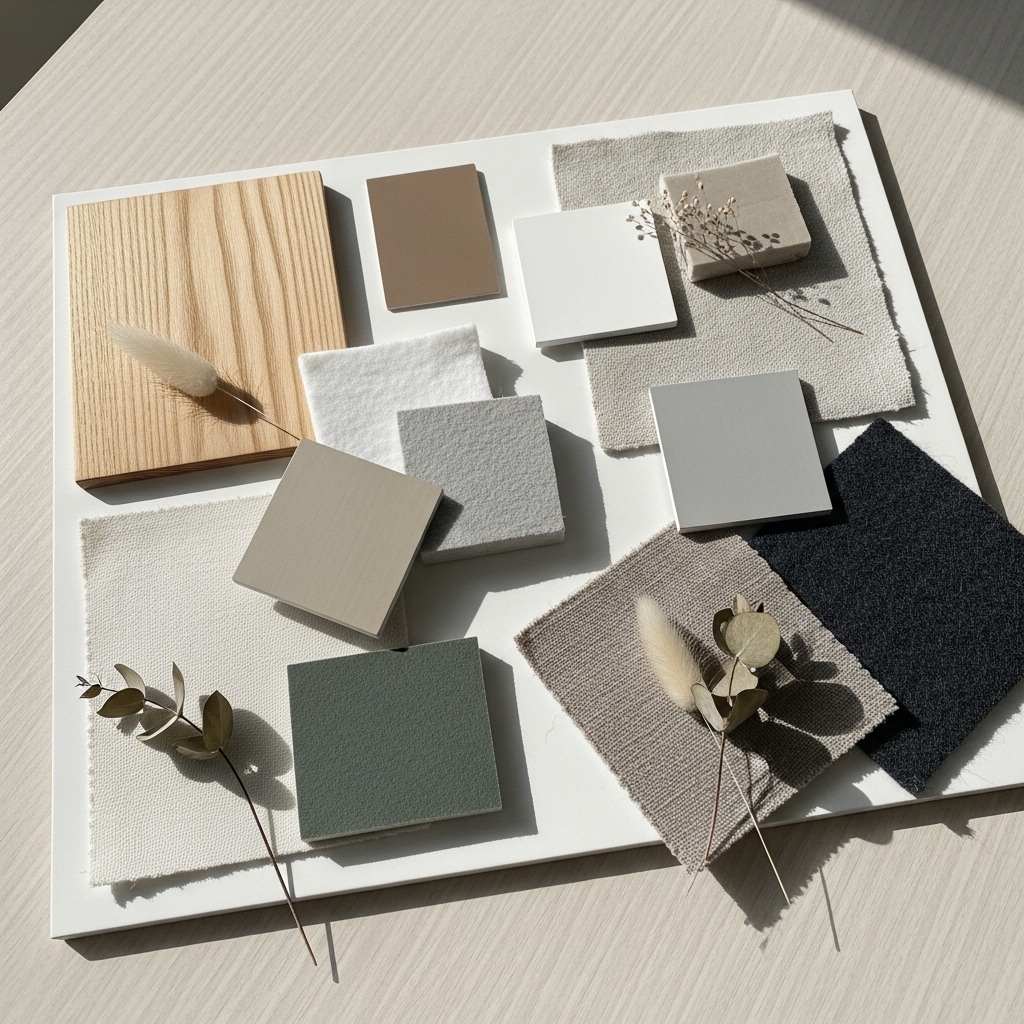
One of the hallmarks of Japandi interiors is the muted color scheme. Both Japanese and Scandinavian design prefer natural, calming tones inspired by the earth and sky.
A Japandi palette typically includes:
- Soft whites, warm beiges, and gentle taupes
- Earthy browns, terracotta, and stone greys
- Muted greens and dusty blues for subtle contrast
- Black or charcoal for grounding accents
These hues create a soothing environment that encourages relaxation and reflection. Avoid overly bright or synthetic colors — the goal is to evoke nature and simplicity.
Pro tip: Pair light Scandinavian woods with darker Japanese finishes for a balanced and layered effect.
🪑 4. Furniture: Where Function Meets Form

Japandi furniture design focuses on simplicity, craftsmanship, and functionality. Each piece is thoughtfully chosen for its purpose and beauty.
- Clean Lines: Look for furniture with straight, sleek silhouettes. Avoid overly ornate designs.
- Low-Profile Designs: In true Japanese tradition, low tables, floor cushions, and platform beds create a sense of groundedness.
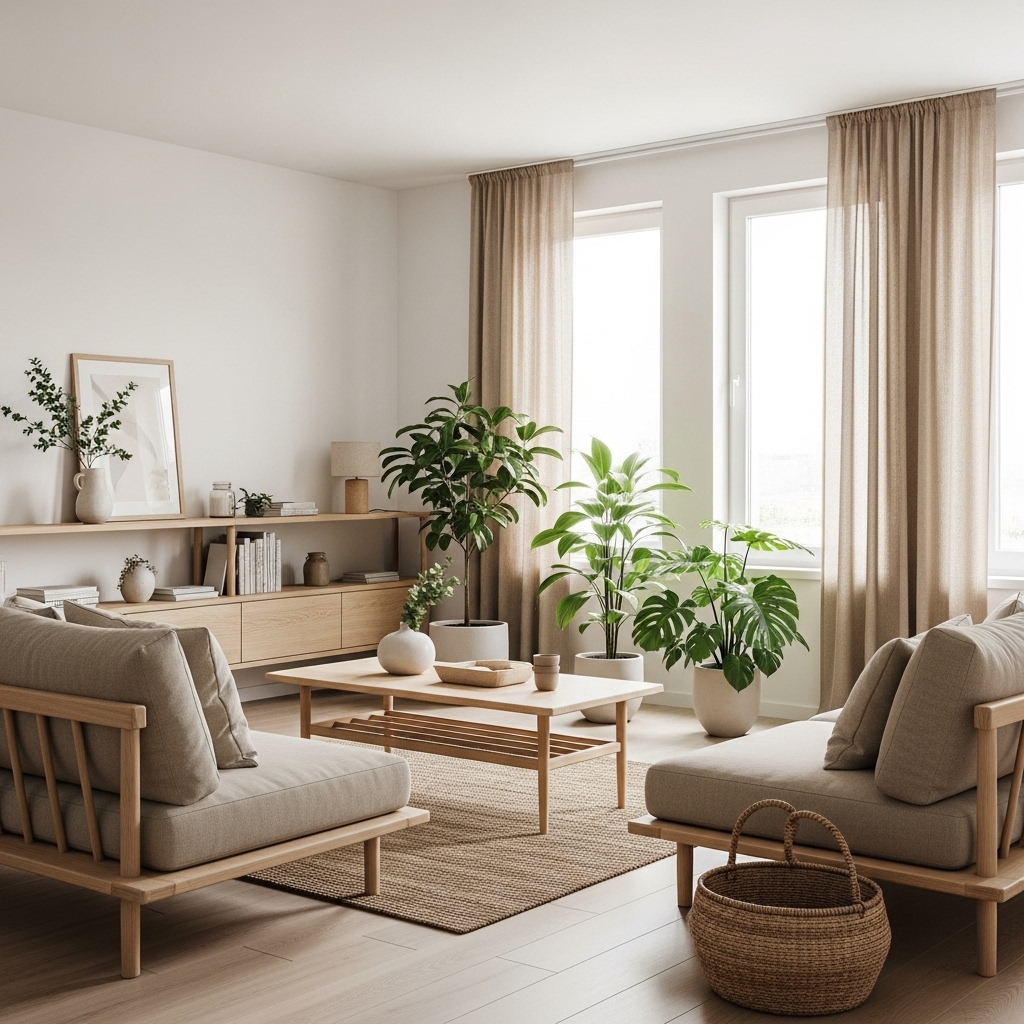
- Quality Materials: Choose natural woods (oak, ash, birch, or walnut), linen, rattan, bamboo, and handmade ceramics.
- Less is More: Leave space between furniture pieces — negative space is just as important as the objects themselves.
Scandinavian furniture provides comfort and usability, while Japanese pieces add a touch of mindfulness and craft. Together, they make a home both beautiful and livable.
🌸 5. Textures & Materials: Embrace Nature Indoors
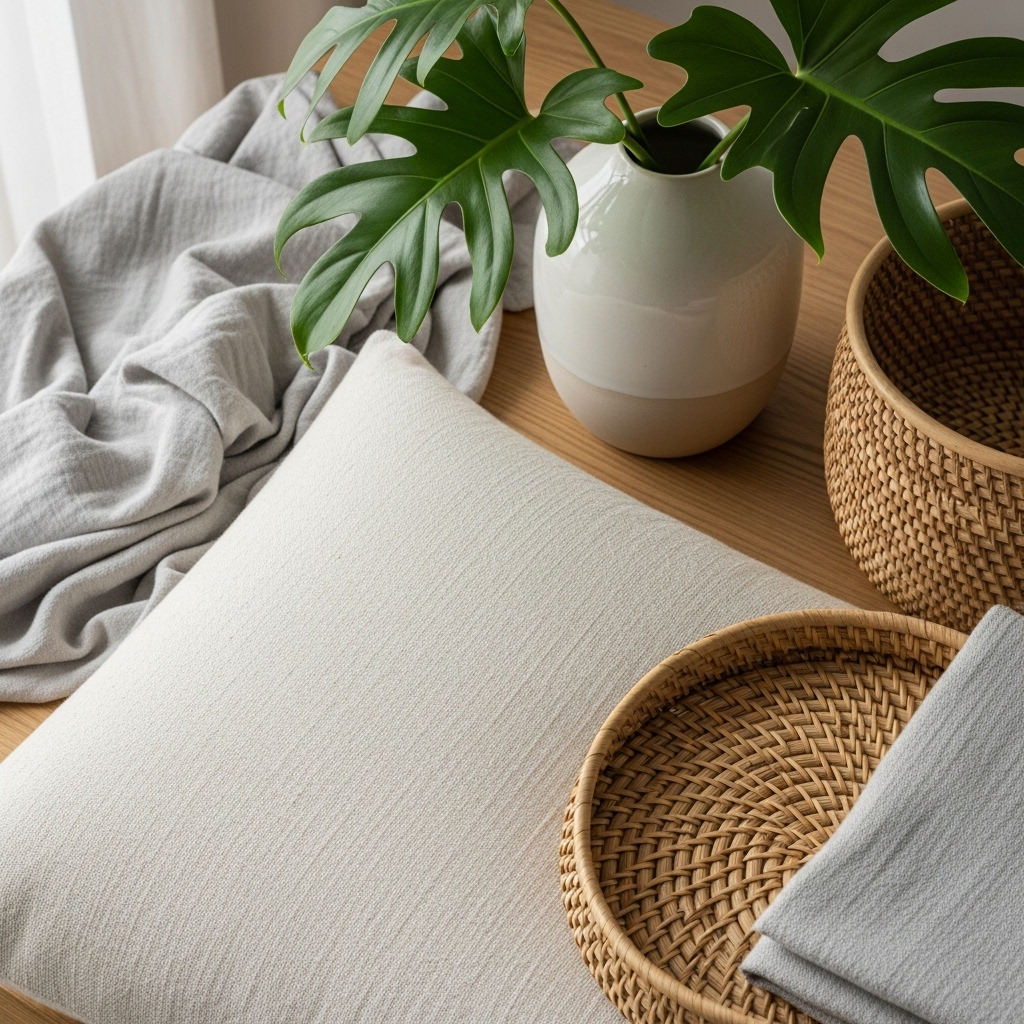
In Japandi design, texture plays a vital role in adding warmth to minimal spaces. By layering natural materials, you can create a room that feels organic and comforting.
Here’s how to do it:
- Combine smooth Scandinavian finishes with rustic Japanese textures — for example, a polished wood coffee table beside a woven linen sofa.
- Add woven baskets, cotton throws, and wool rugs for coziness.
- Incorporate ceramic or clay accents to celebrate craftsmanship and imperfection.
- Bring in plants and greenery to add life and freshness to the neutral tones.
This balance between soft and tactile elements transforms minimalism into something warm, grounded, and human.
🕯️ 6. Lighting: Soft, Warm, and Natural
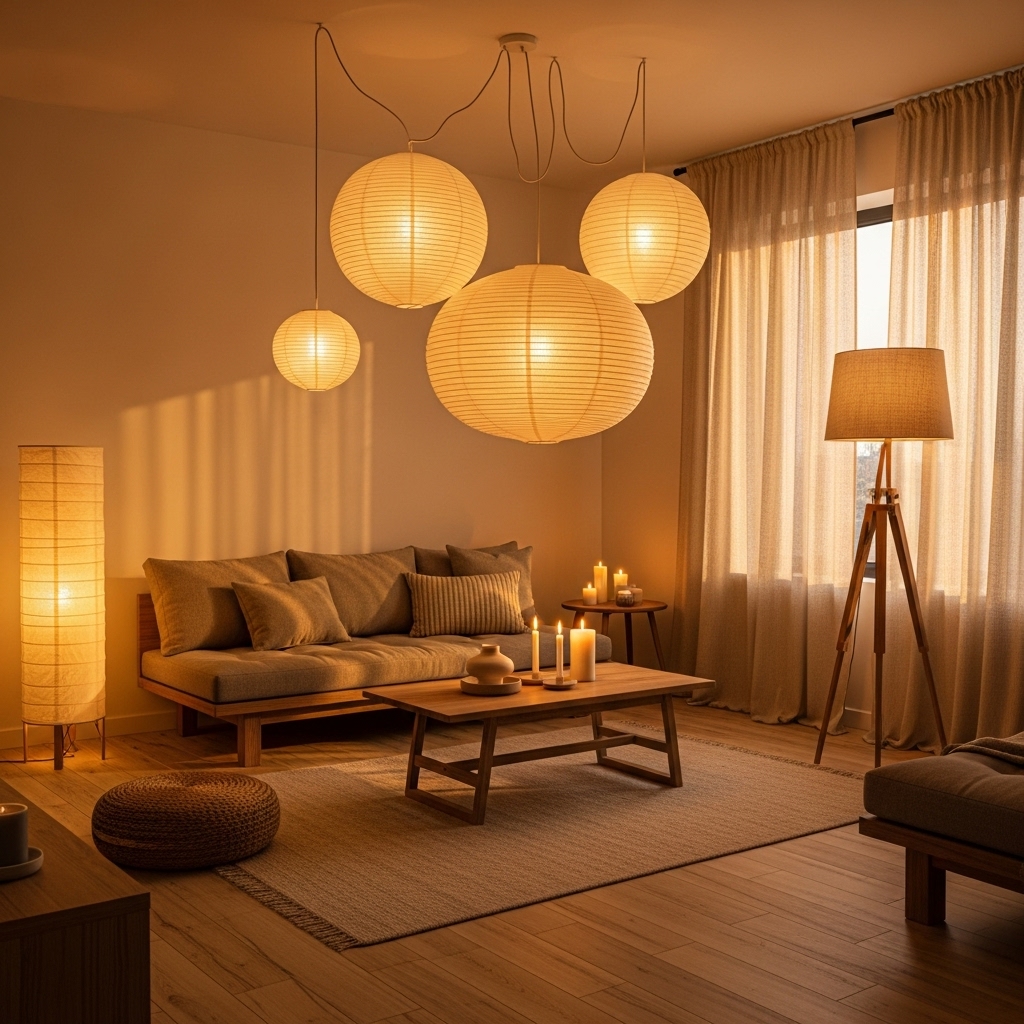
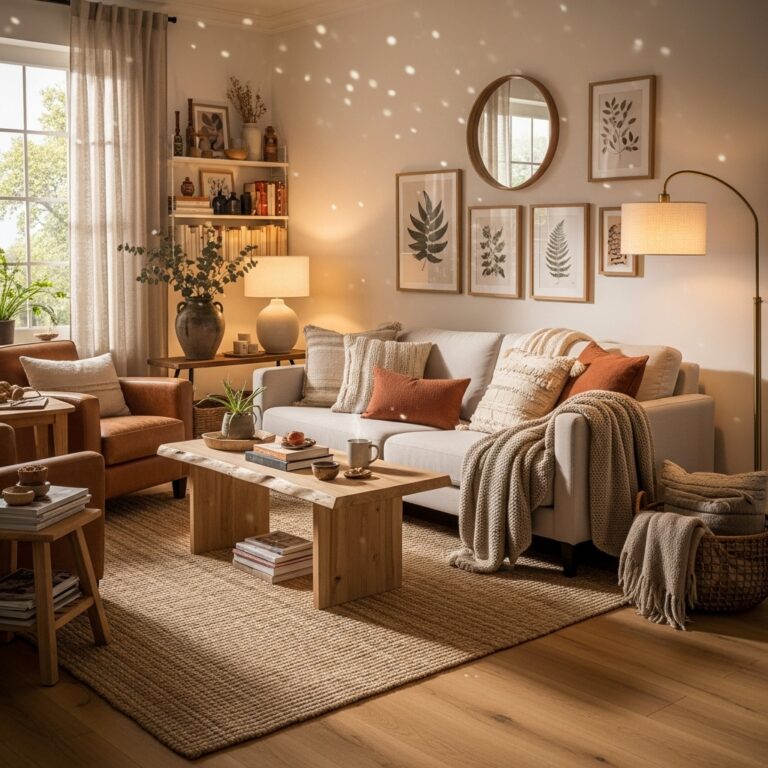
Lighting in Japandi interiors is all about creating calm and warmth. Natural light is key, so opt for sheer curtains or open spaces that let sunlight flow freely.
In the evenings, use soft, warm lighting to set a cozy mood. Think:
- Paper lanterns or rice-paper lamps
- Minimalist pendant lights with warm LED bulbs
- Candles and floor lamps for ambient glow
The idea is to mimic the gentle light of sunrise and sunset — peaceful, diffused, and soothing.
🏡 7. Declutter & Simplify: The Heart of Japandi Living
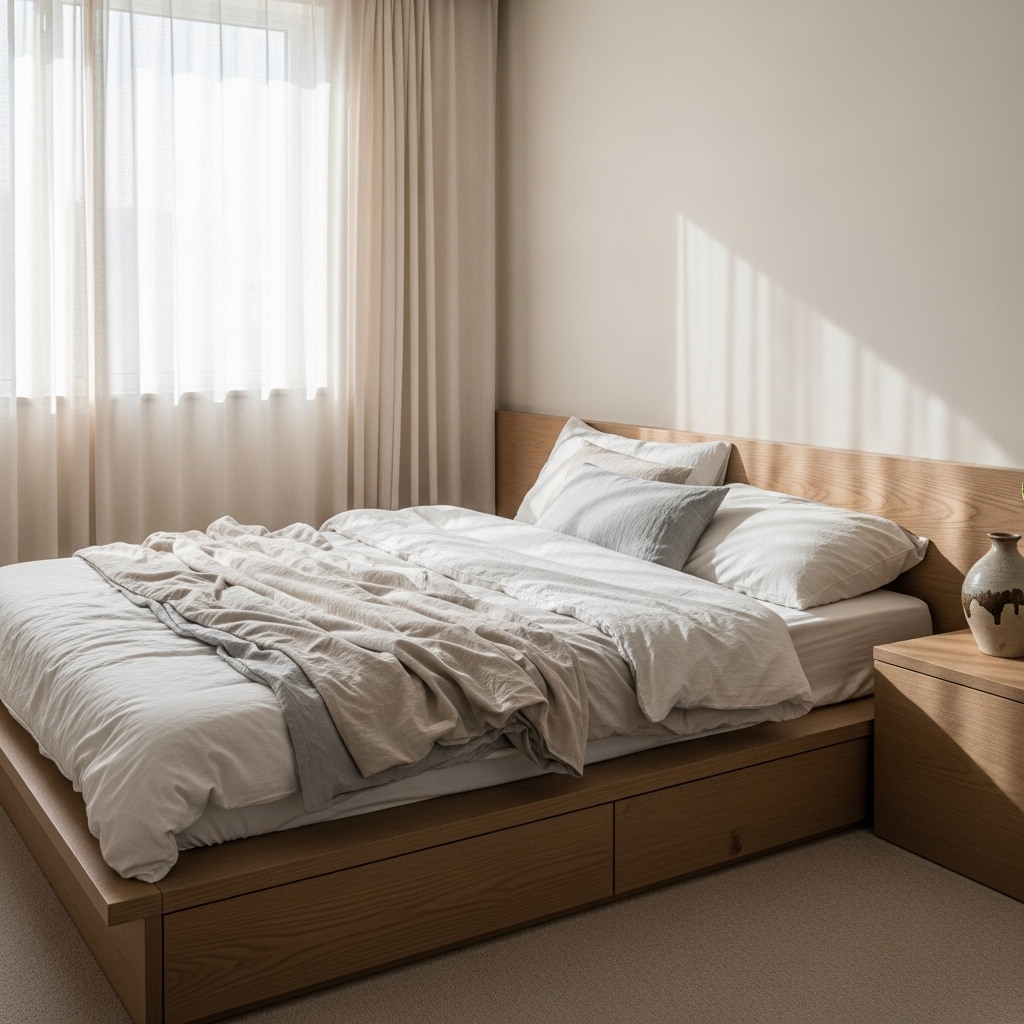
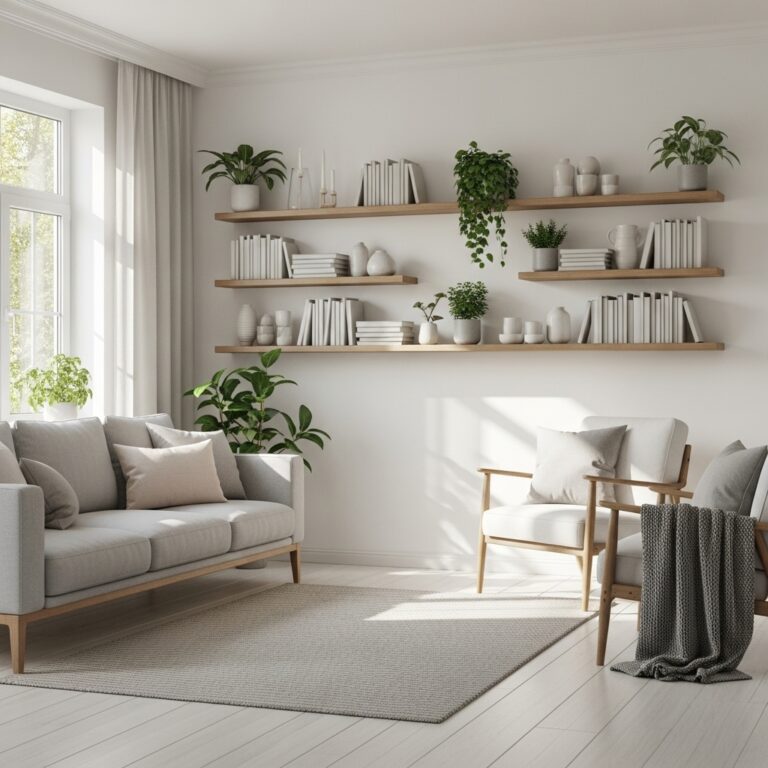
A Japandi home is a clutter-free home. Every object should serve a purpose or bring joy. Storage solutions should be discreet and elegant — think closed cabinets, baskets, and hidden compartments.
When styling, follow this rule: if it doesn’t serve you or your space, let it go.
Display only a few intentional items, such as:
- A single ceramic vase with dried branches
- A sculptural lamp
- A small stack of books on a wood tray
The key is to design with intention, not abundance. This approach not only clears your physical space but also your mind.
🌾 8. Japandi Decor Ideas: Minimal Yet Meaningful
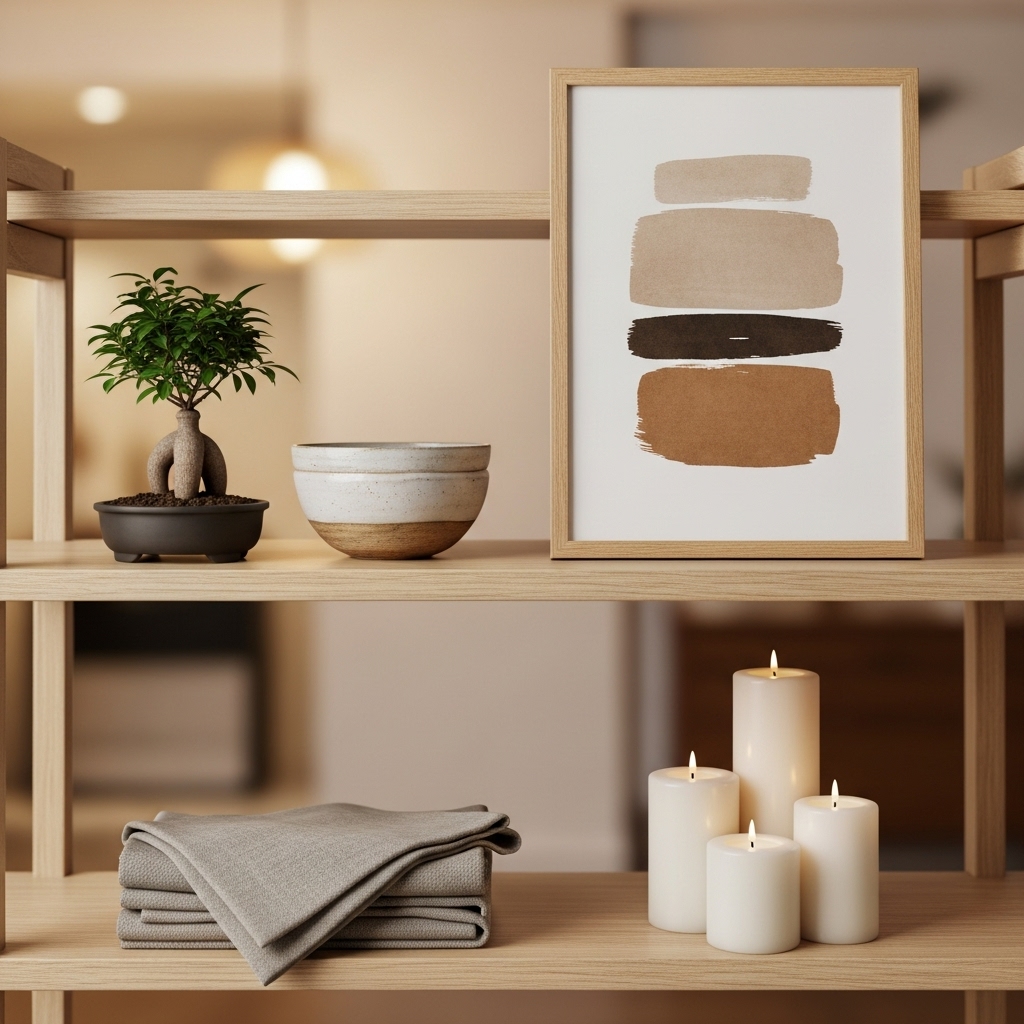
While Japandi is minimal, it’s never cold. The secret is to choose decor items that feel personal and harmonious.
Try these ideas:
- A tatami-style rug paired with a Scandinavian linen sofa
- Simple black-and-white artwork with organic shapes
- Hand-thrown pottery, ceramic cups, or stone vases
- Bonsai trees, bamboo plants, or eucalyptus branches
- Neutral textiles — think beige curtains, off-white cushions, and soft wool blankets
Each decor element should connect to nature and craftsmanship — that’s the soul of Japandi Style (Japanese + Scandinavian Fusion).
🪞 9. Bringing Japandi to Every Room
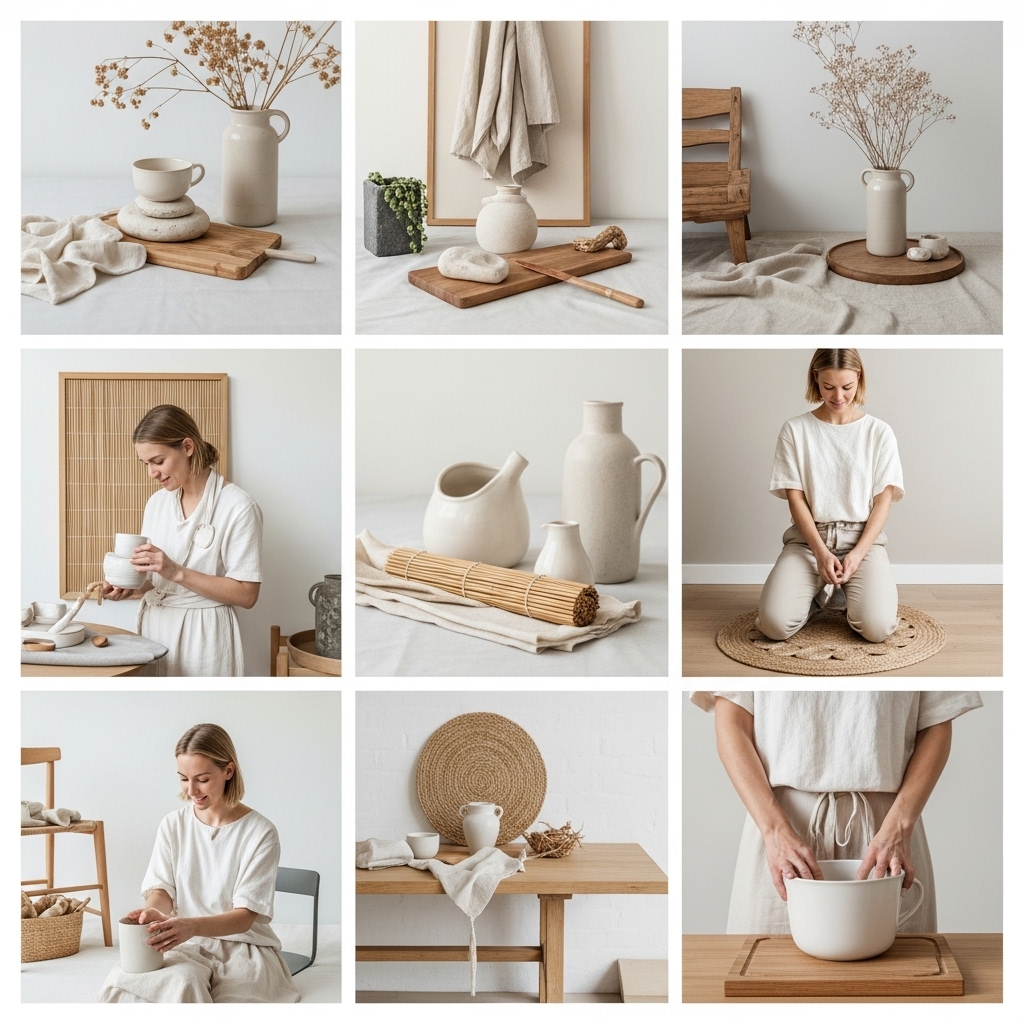
You can infuse Japandi principles into every part of your home:
Living Room: Keep it open, airy, and grounded. Use low furniture, neutral colors, and one statement piece like a sculptural coffee table.
Bedroom: Choose a low bed, soft linens, and a calming palette. Add a bamboo lamp or ceramic nightstand for texture.
Kitchen: Embrace natural wood cabinetry, matte finishes, and open shelving. Keep counters clutter-free.
Bathroom: Go for stone basins, wooden accents, and soft lighting for a spa-like feel.
Each space should inspire serenity and simplicity — places to unwind, think, and breathe.
☕ 10. The Japandi Lifestyle: Mindful, Sustainable, and Intentional
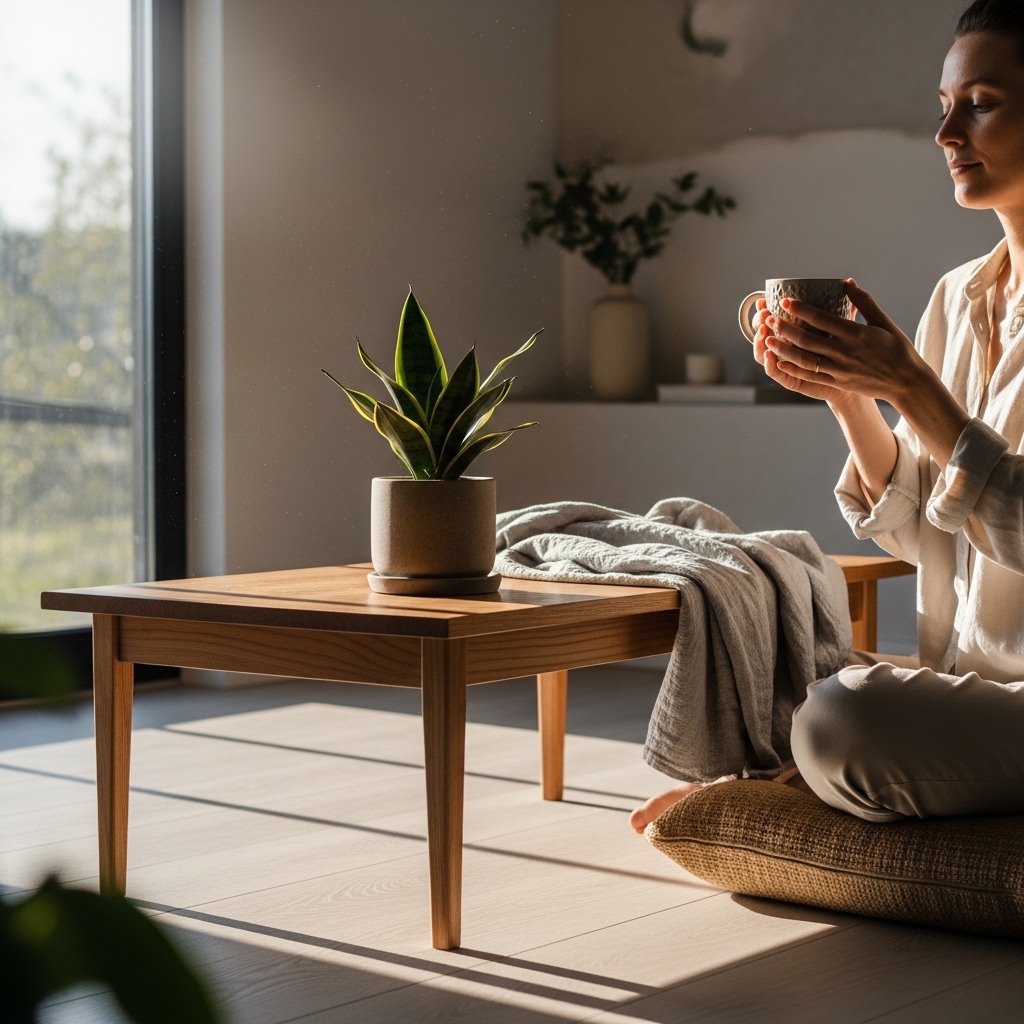
At its heart, Japandi is about living well and living simply. It encourages mindfulness — being present, cherishing craftsmanship, and finding joy in small details.
It’s also deeply sustainable. By focusing on quality over quantity, you naturally choose pieces that last — reducing waste and promoting a conscious lifestyle.
This style reminds us that peace doesn’t come from having more — it comes from having just enough.
🌸 Final Thoughts: The Beauty of Balance
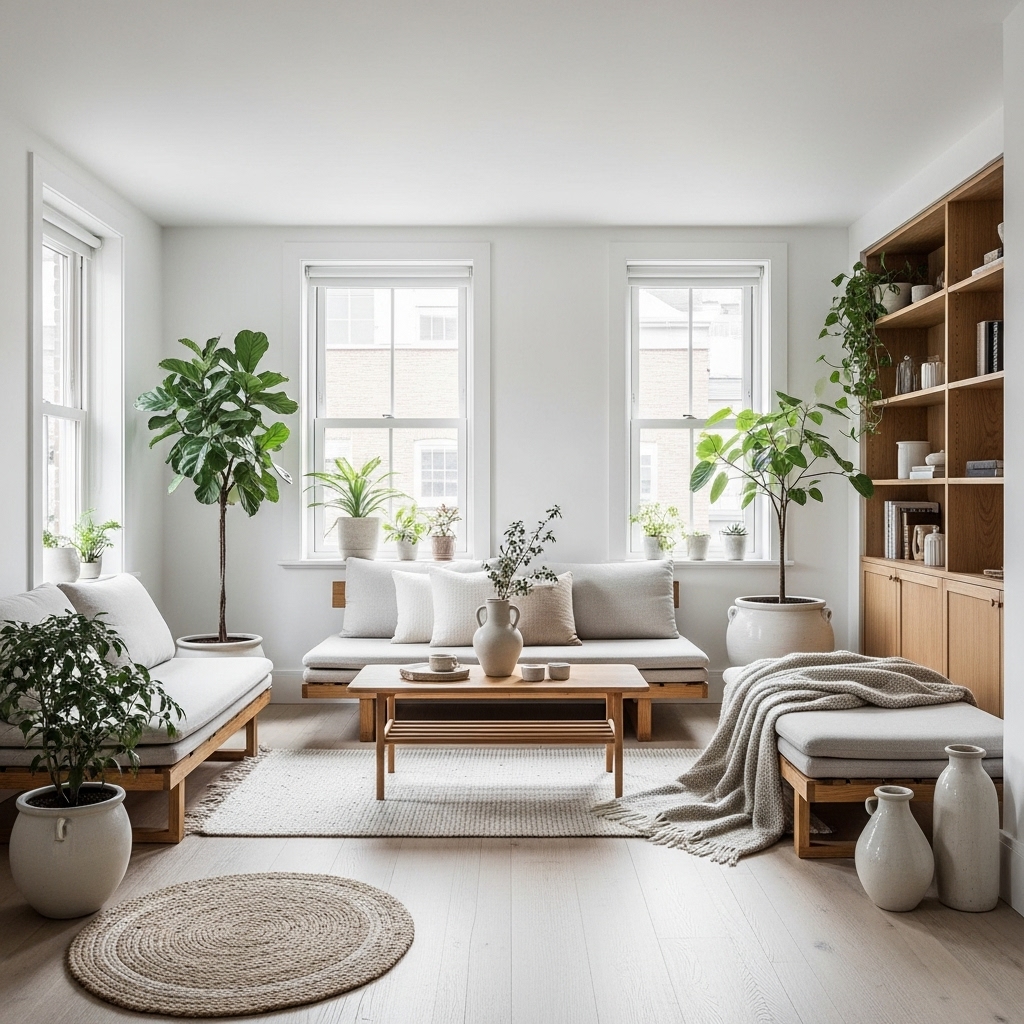
Japandi Style (Japanese + Scandinavian Fusion) is more than an aesthetic — it’s a philosophy that celebrates balance, warmth, and simplicity. By blending the clean lines of Scandinavian design with the soulful imperfection of Japanese wabi-sabi, it creates homes that feel timeless and deeply human.
Whether you’re decorating a small apartment or a spacious home, embracing Japandi means creating a sanctuary that nurtures calm, clarity, and connection to nature.
In a fast-paced world, Japandi reminds us to slow down, live intentionally, and find beauty in the everyday.