Organic Modern Interior Design: The Perfect Blend of Nature and Minimalism
When it comes to creating spaces that feel both grounded and sophisticated, Organic Modern Interior Design stands out as one of the most sought-after styles of the decade. This design philosophy blends the simplicity of modern aesthetics with the warmth and texture of organic elements — creating homes that are serene, timeless, and deeply connected to nature.
In this post, we’ll dive into what defines Organic Modern Interior Design, explore its core principles, and share actionable tips to help you bring this effortlessly beautiful style into your own home.
What Is Organic Modern Interior Design?
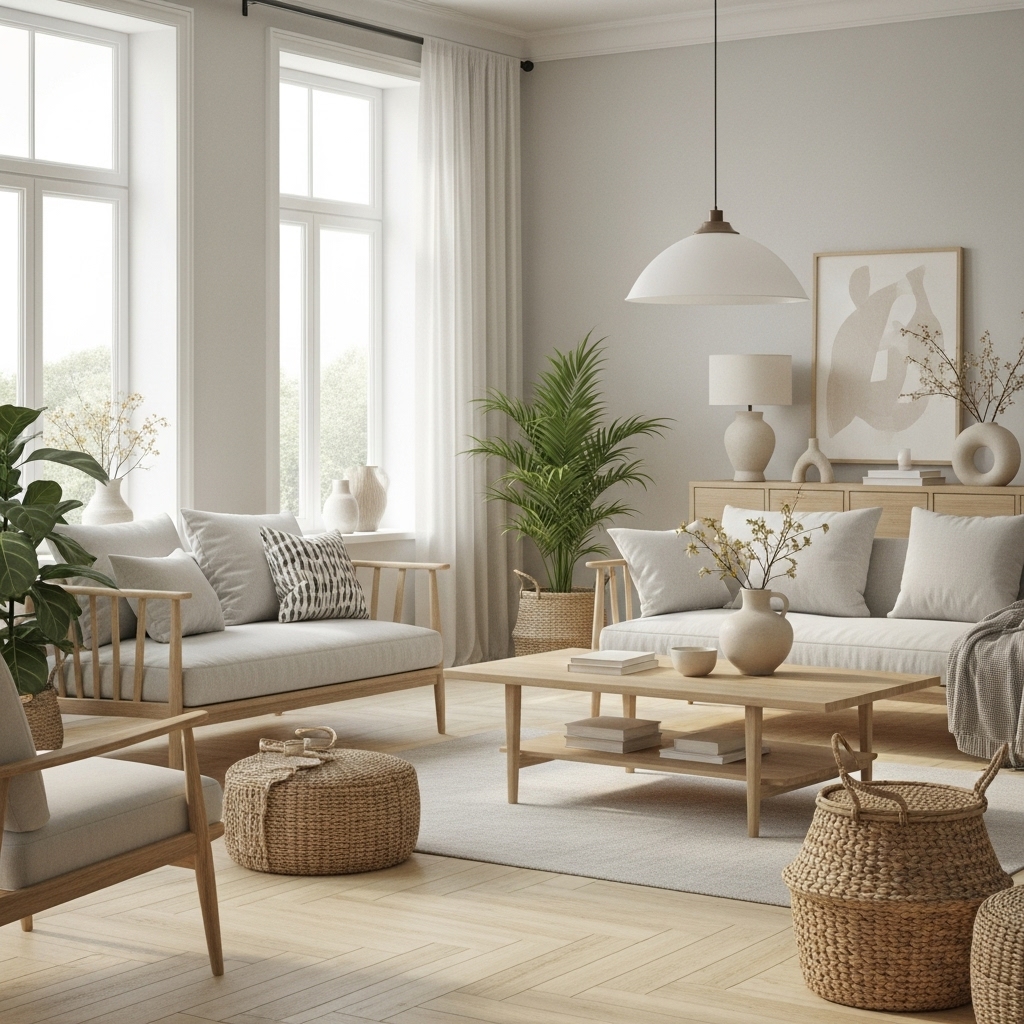
Organic Modern Interior Design is the artful fusion of modern minimalism and natural comfort. It’s about balancing sleek, contemporary lines with earthy materials and a calming color palette. While modern design often emphasizes clean geometry and function, the organic element introduces warmth through textures, natural materials, and irregular shapes.
Think of it as modern design that’s been softened by nature. The result? A space that feels uncluttered yet cozy, refined yet relaxed — like a luxury spa that’s also a home.
Key Characteristics of Organic Modern Design
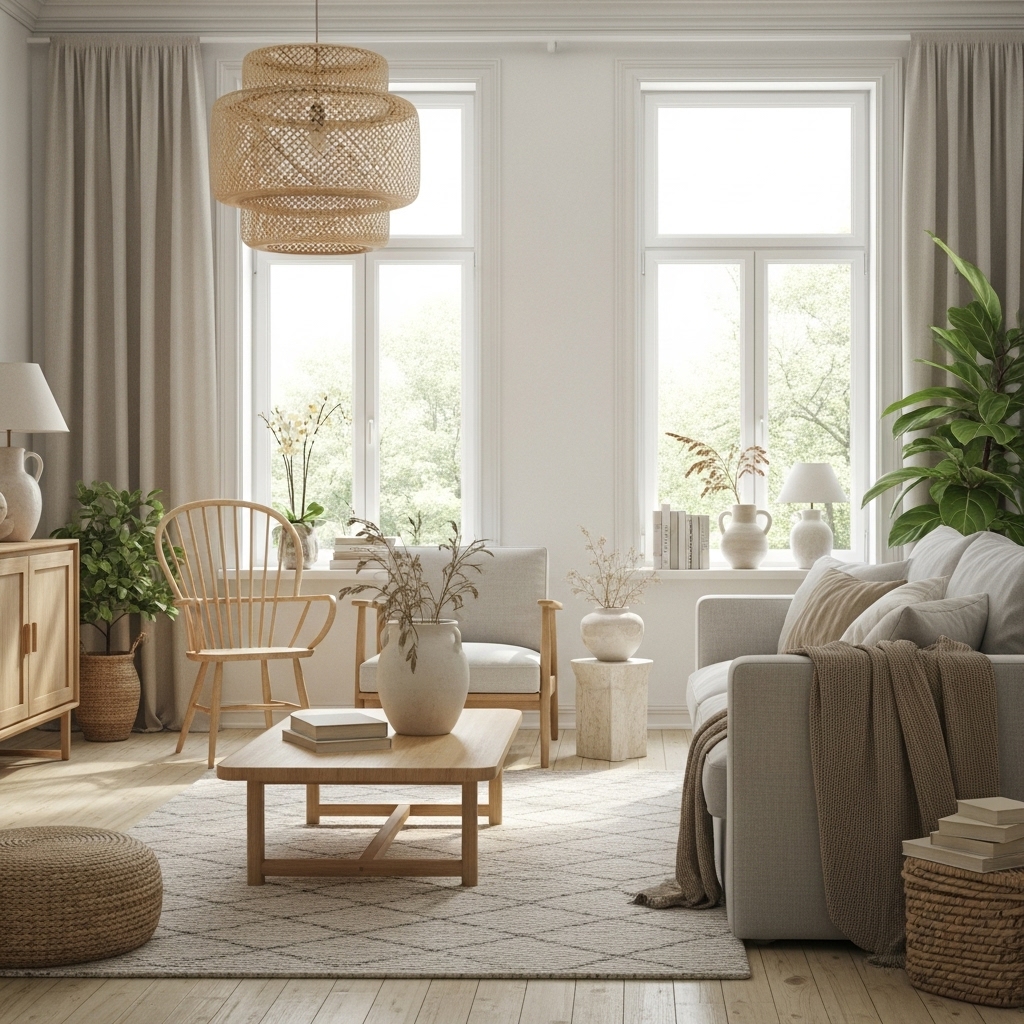
To truly understand this design aesthetic, it’s important to identify its core characteristics. The beauty of this style lies in its balance — everything feels intentional, yet effortlessly natural.
1. Neutral and Earthy Color Palettes
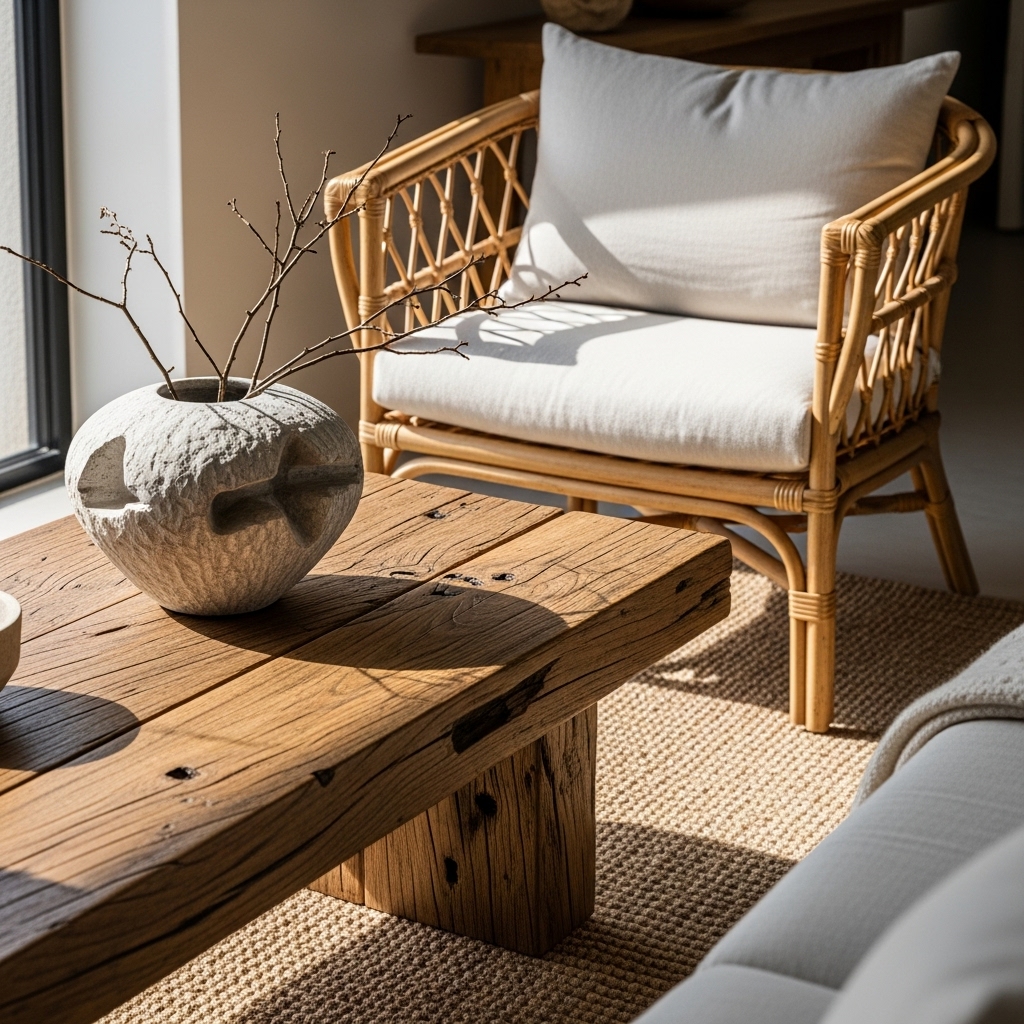
The foundation of any Organic Modern Interior Design is its calming, nature-inspired color scheme. Whites, beiges, soft grays, and taupes form the base, while earthy tones like olive green, terracotta, and warm brown add depth and richness.
You’ll often see layered neutrals paired with natural textures like wood and stone. This creates a sense of harmony and continuity throughout the space, allowing light and shadows to play beautifully across surfaces.
2. Natural Materials Take Center Stage
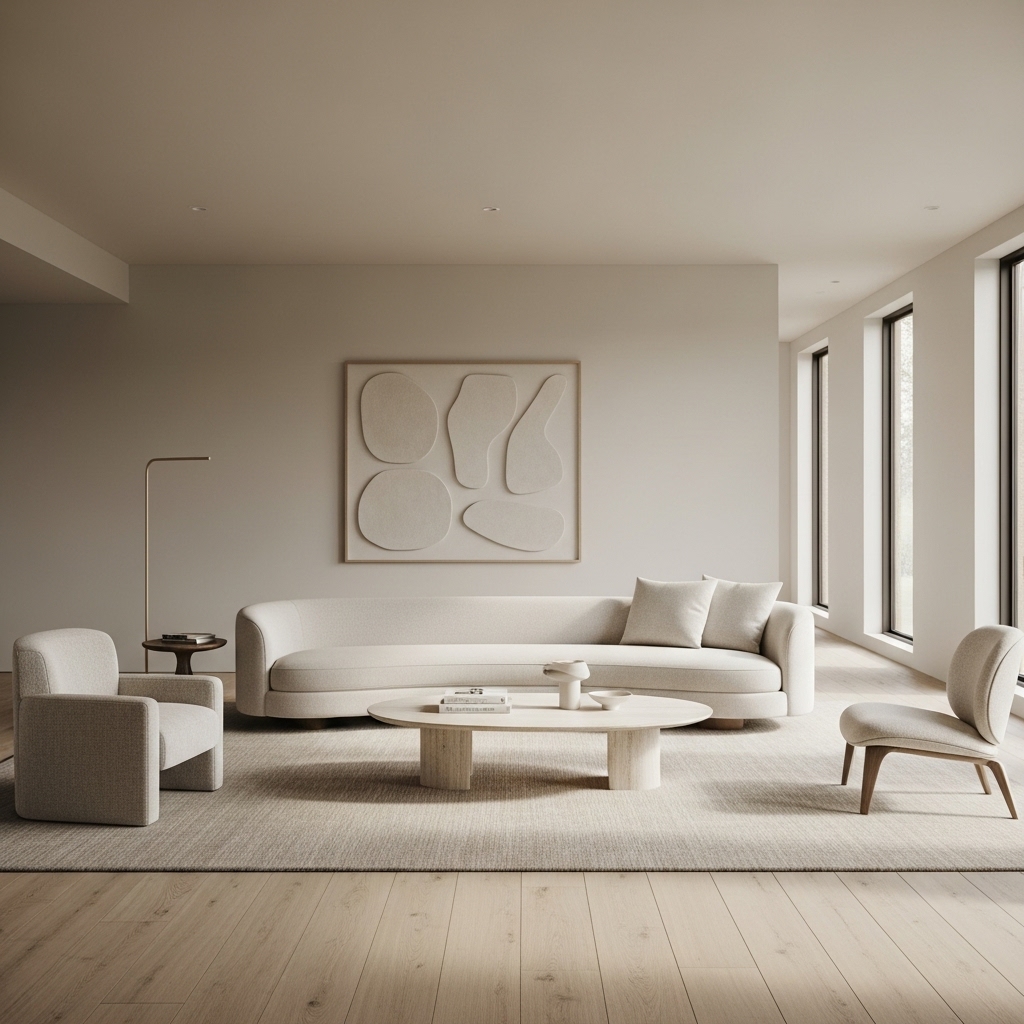
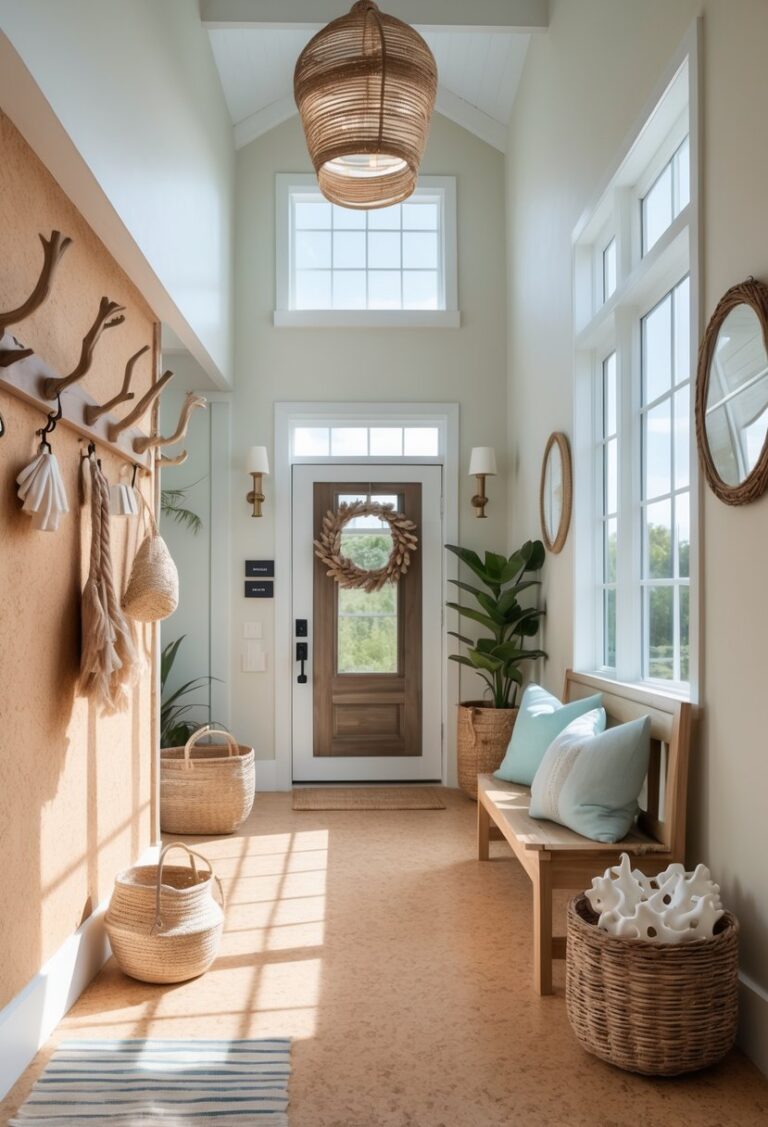
In Organic Modern spaces, materials tell the story. Instead of flashy finishes or synthetic surfaces, designers focus on authenticity — solid wood, linen, wool, clay, rattan, leather, and stone.
Reclaimed wood tables, jute rugs, and linen curtains are staples. The idea is to embrace materials that age gracefully and show the passage of time, bringing character and soul into the home.
3. Clean Lines and Minimalist Forms
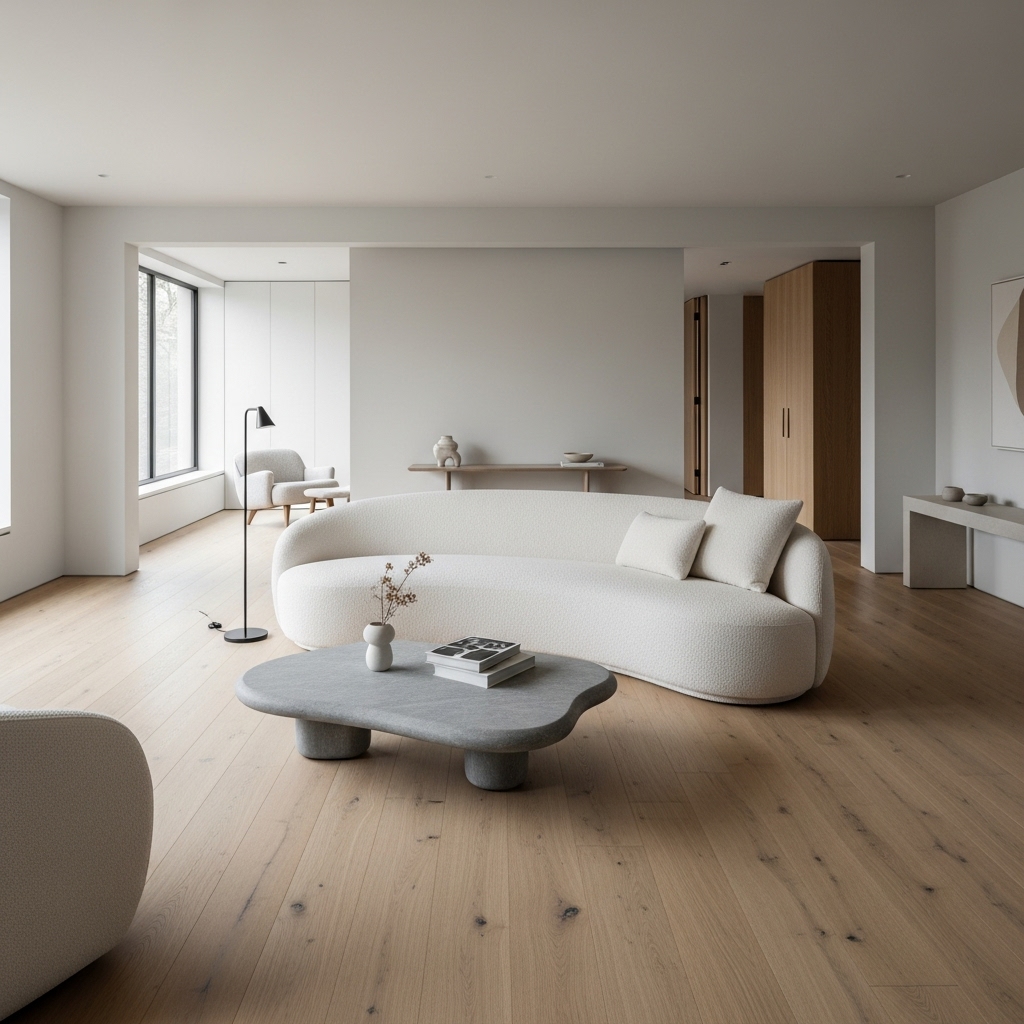
While organic design is rooted in nature, it maintains the clean simplicity of modern aesthetics. Furniture pieces are streamlined, often with soft, curved edges that mimic the flow of natural forms. Think of sculptural chairs, minimalist sofas, and smooth stone tables — all working together to create balance and flow.
4. Texture Is Everything
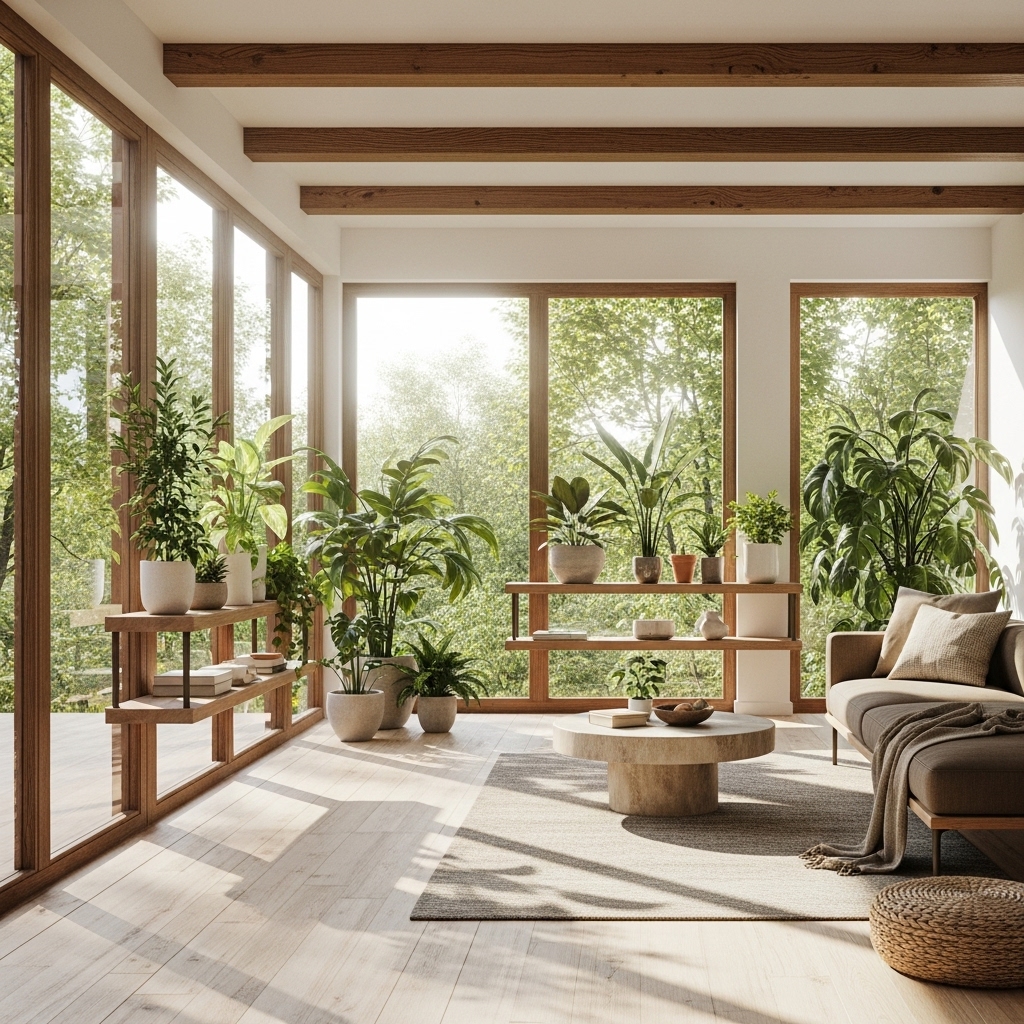
Since the color palette tends to be neutral, texture plays a critical role in adding visual interest. Layering different tactile materials — such as a wool throw on a leather sofa or a woven basket beside a marble coffee table — brings warmth and depth to the design.
5. Connection to Nature
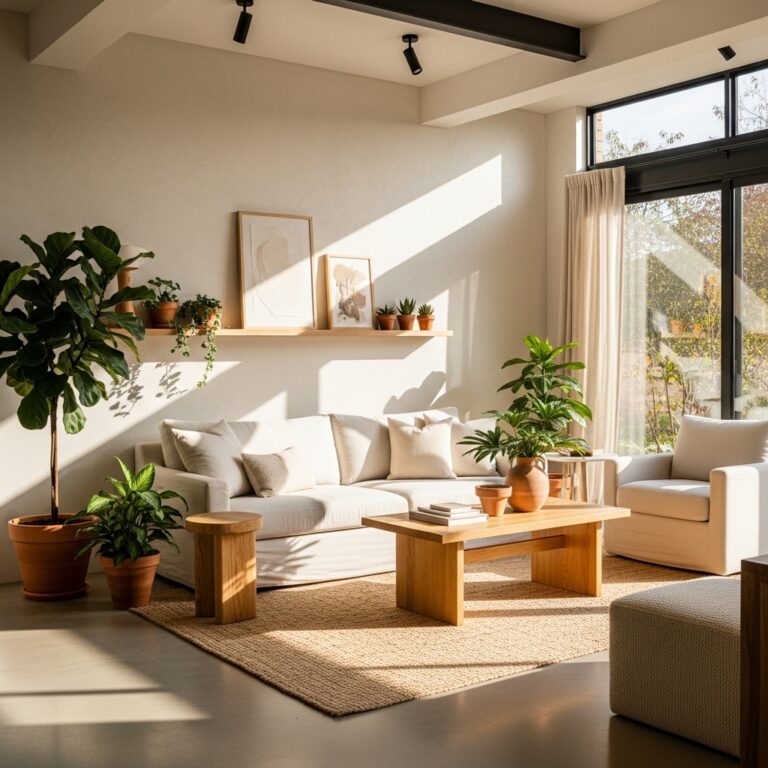
At its heart, Organic Modern Interior Design is about honoring nature. That means large windows for natural light, indoor plants, and an emphasis on biophilic design — bringing the outdoors in. This connection helps create a sense of calm and well-being, grounding your space in the rhythms of the natural world.
How to Create an Organic Modern Home
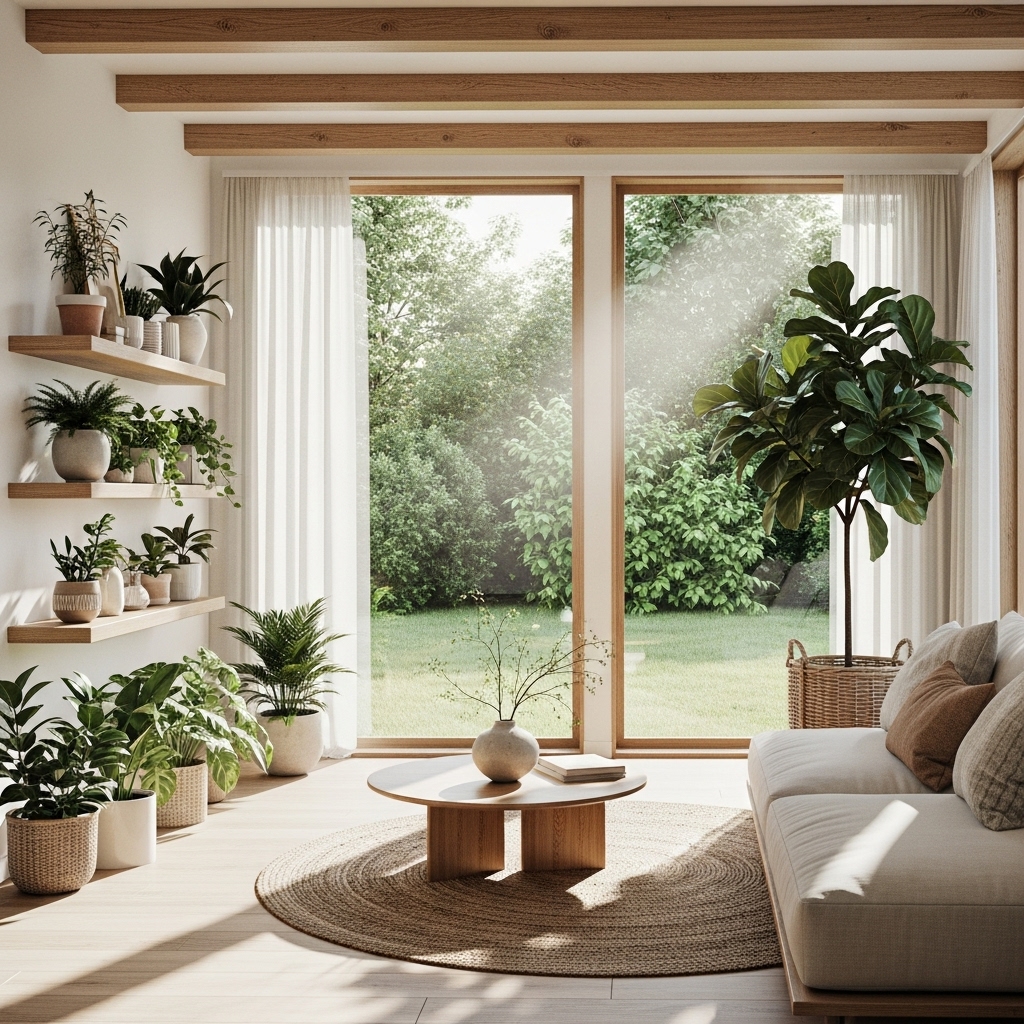
Now that you know the principles behind this design style, let’s explore how to bring it to life in your own space. Whether you’re redecorating a single room or designing a new home, these tips will help you achieve the perfect organic-modern balance.
1. Start with a Neutral Foundation
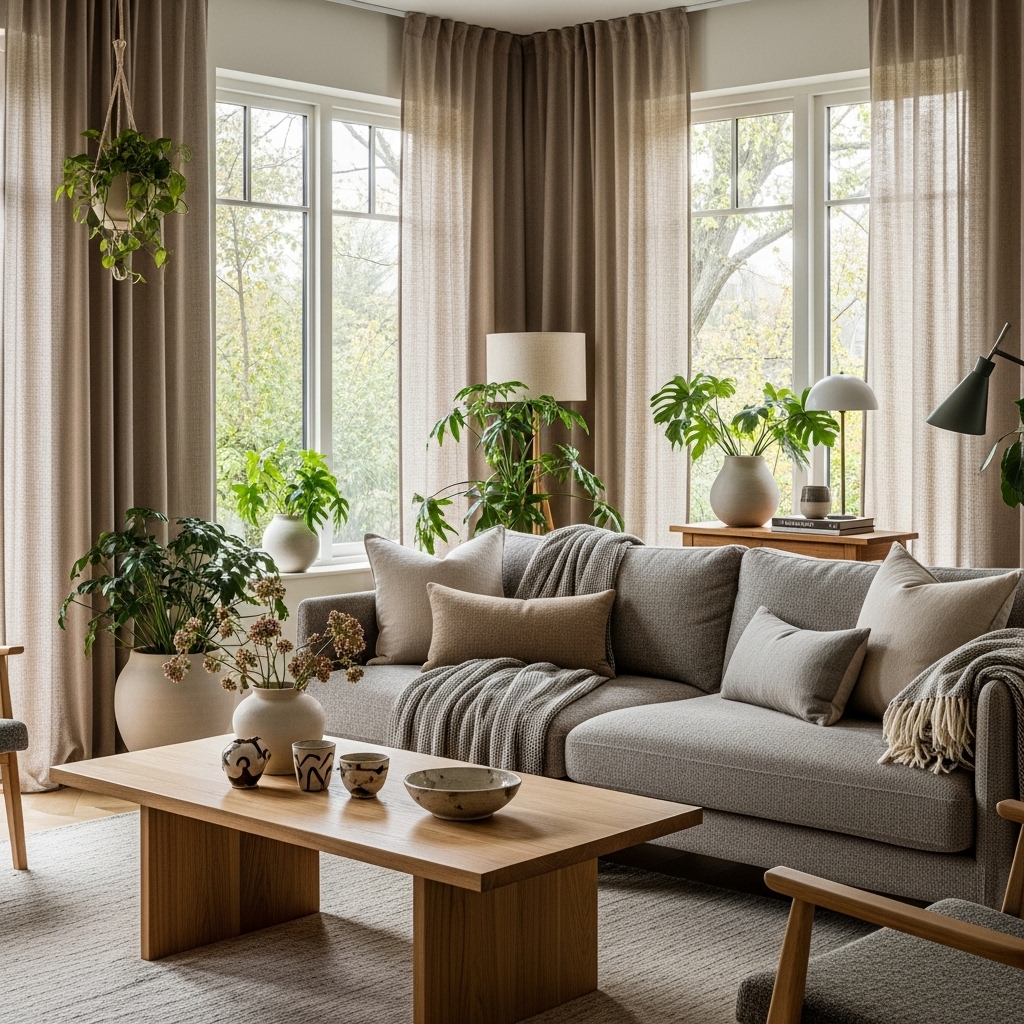
Begin with a soft, neutral base for your walls and floors. White, cream, or pale gray provides a clean backdrop that enhances natural light and allows your textures and materials to shine. Avoid overly stark whites — warmer undertones feel more inviting and harmonious.
2. Incorporate Natural Materials
Bring in elements that reflect nature’s beauty. A wooden dining table, stone countertops, woven light fixtures, or a linen-upholstered sofa all help establish an organic vibe. The key is to mix textures and tones — not everything has to match perfectly. Imperfection is part of the charm.
3. Keep It Minimal but Meaningful
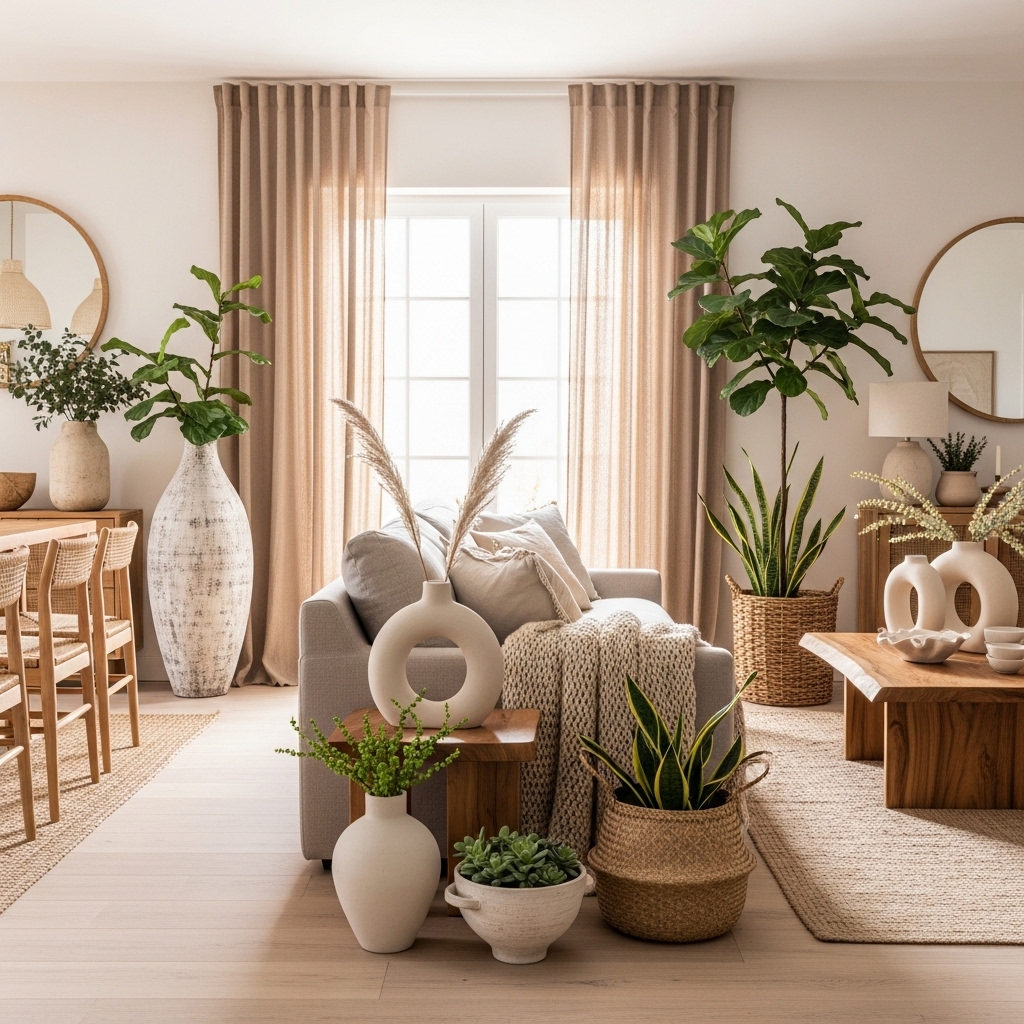
Decluttering is essential to the modern aspect of the design. Instead of filling every corner, focus on a few well-chosen pieces that add function and soul. Quality over quantity is the mantra here.
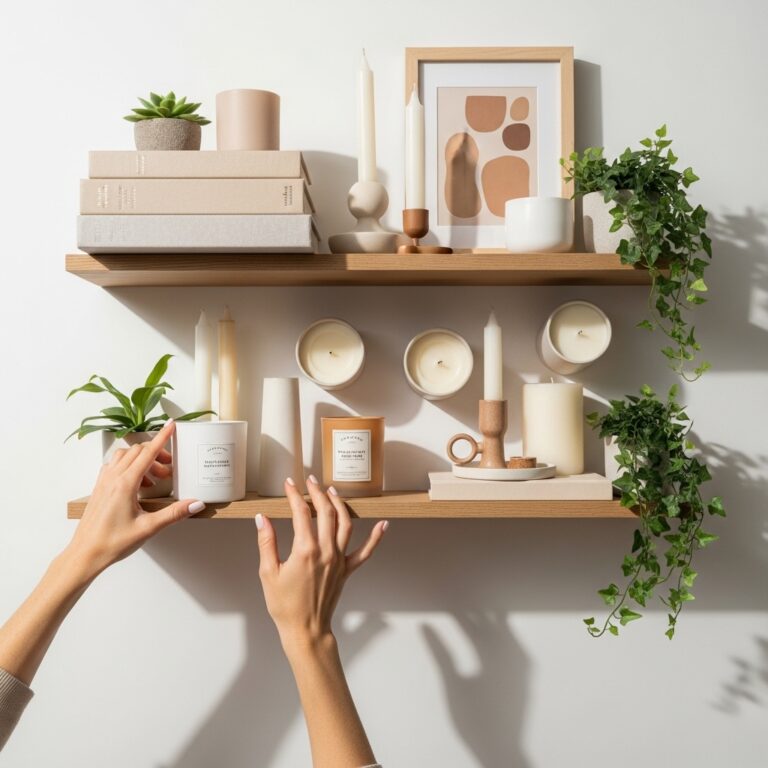
For example, a handcrafted ceramic vase or a sculptural wooden bowl can become the focal point of a minimalist shelf. Each object should feel intentional and connected to the space.
4. Use Plants as Living Decor
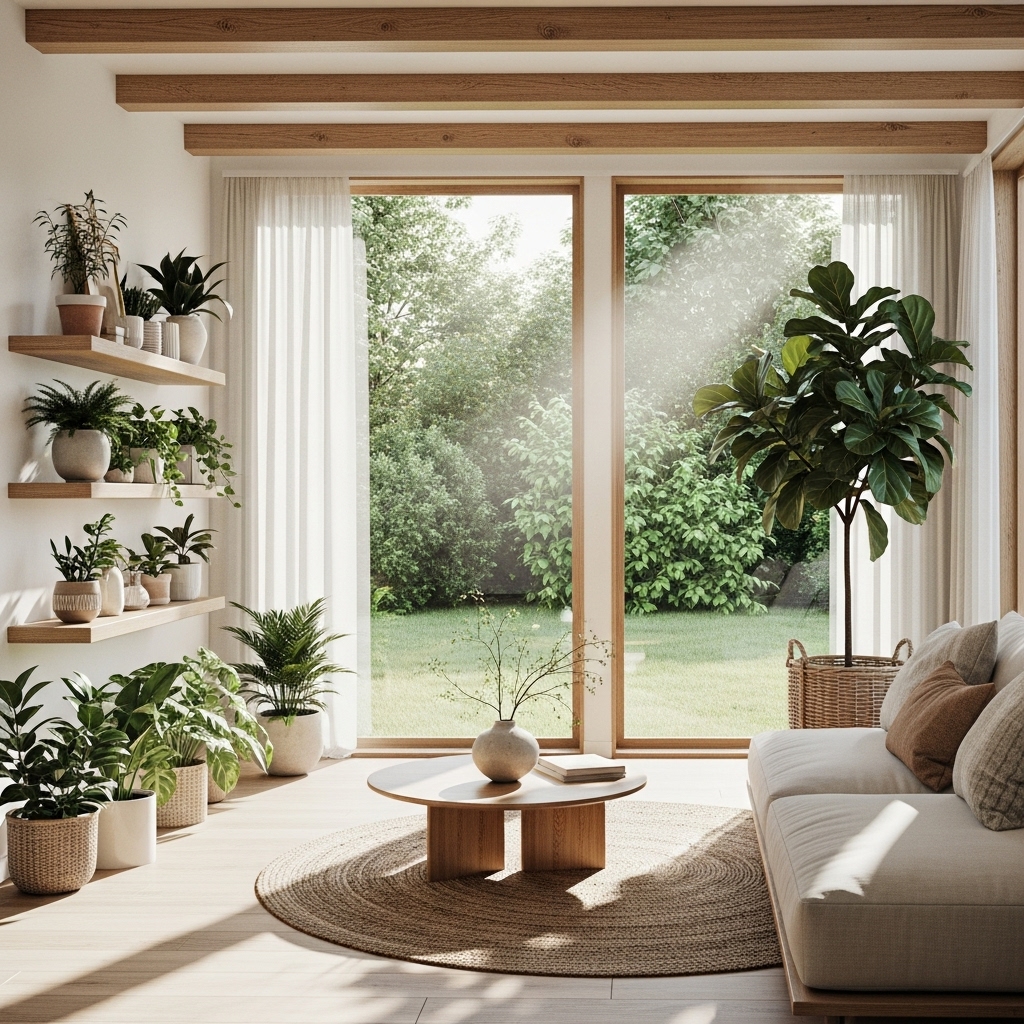
Plants breathe life into an Organic Modern space. Choose large leafy varieties like fiddle leaf figs, snake plants, or monstera for dramatic impact. Smaller plants like succulents or herbs can add natural charm to tabletops or kitchen counters. Not only do plants enhance the aesthetic, but they also improve air quality and reduce stress — a true reflection of organic living.
5. Layer with Cozy Textures
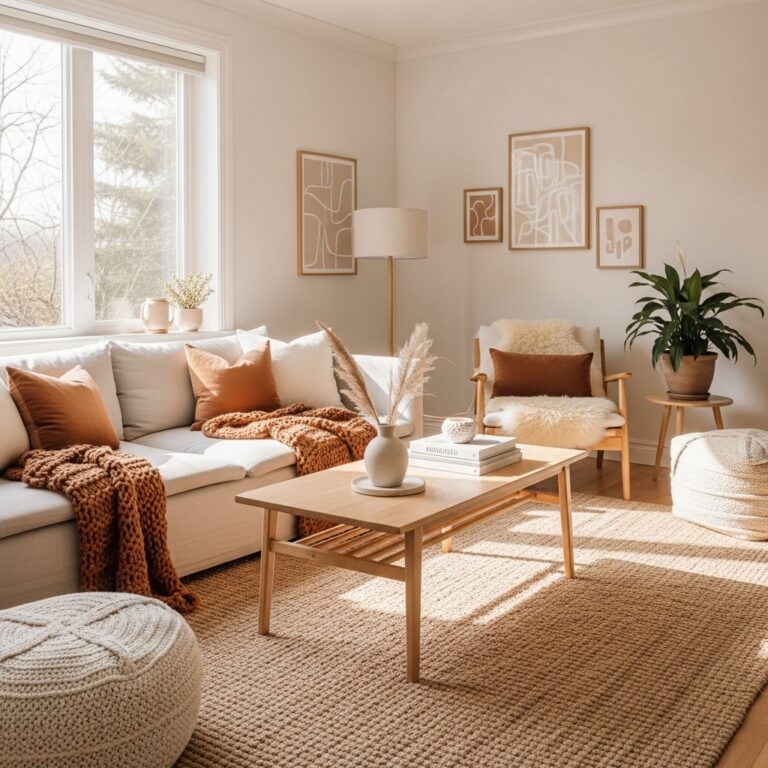
Balance modern simplicity with cozy layers. Add a chunky knit blanket to your sofa, a textured area rug beneath your bed, or linen cushions in varying shades of cream and beige. The tactile diversity invites comfort while maintaining a polished look.
6. Prioritize Light and Space
An essential feature of Organic Modern Interior Design is its emphasis on natural light and open space. Maximize sunlight with sheer curtains or strategically placed mirrors. Keep furniture arrangements open and breathable to allow energy and light to flow freely.
7. Choose Thoughtful, Sustainable Decor
Sustainability and organic design go hand in hand. Opt for handcrafted or sustainably sourced materials whenever possible. Items made by artisans carry a sense of authenticity and storytelling — perfect for grounding your modern aesthetic in something human and real.
Organic Modern Decor Ideas for Every Room
Let’s look at how you can infuse this design style into different parts of your home:
Living Room
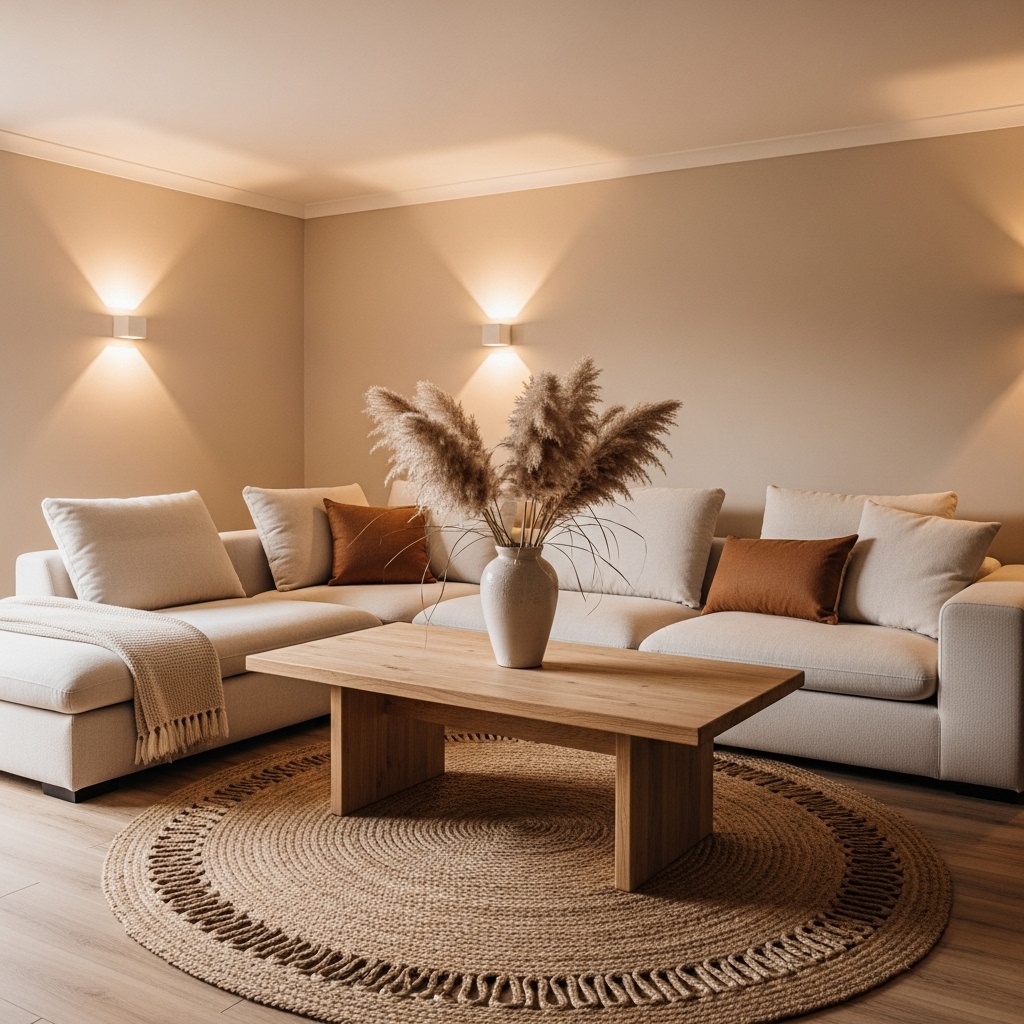
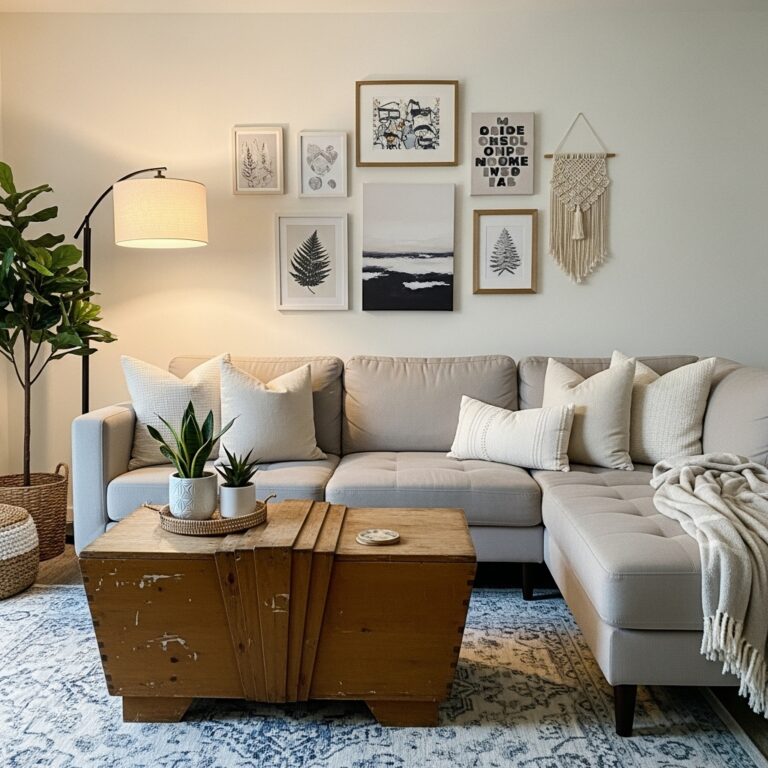
A neutral sectional sofa, natural wood coffee table, and woven wall art create the perfect mix of modern and organic. Add pampas grass or olive branches in a ceramic vase for a final touch of nature.
Bedroom
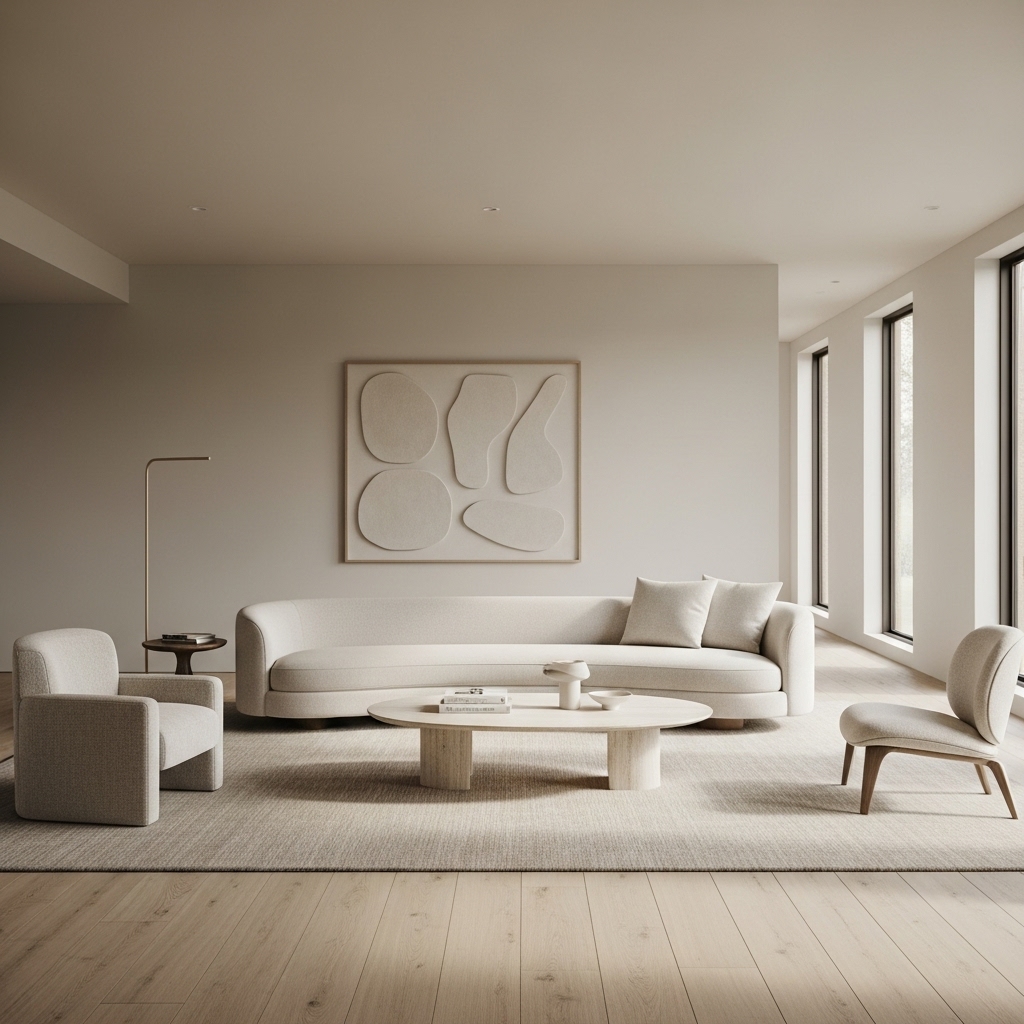
Think serenity and softness. Linen bedding, warm-toned wood furniture, and diffused lighting from paper or rattan lamps instantly create a restful retreat.
Kitchen
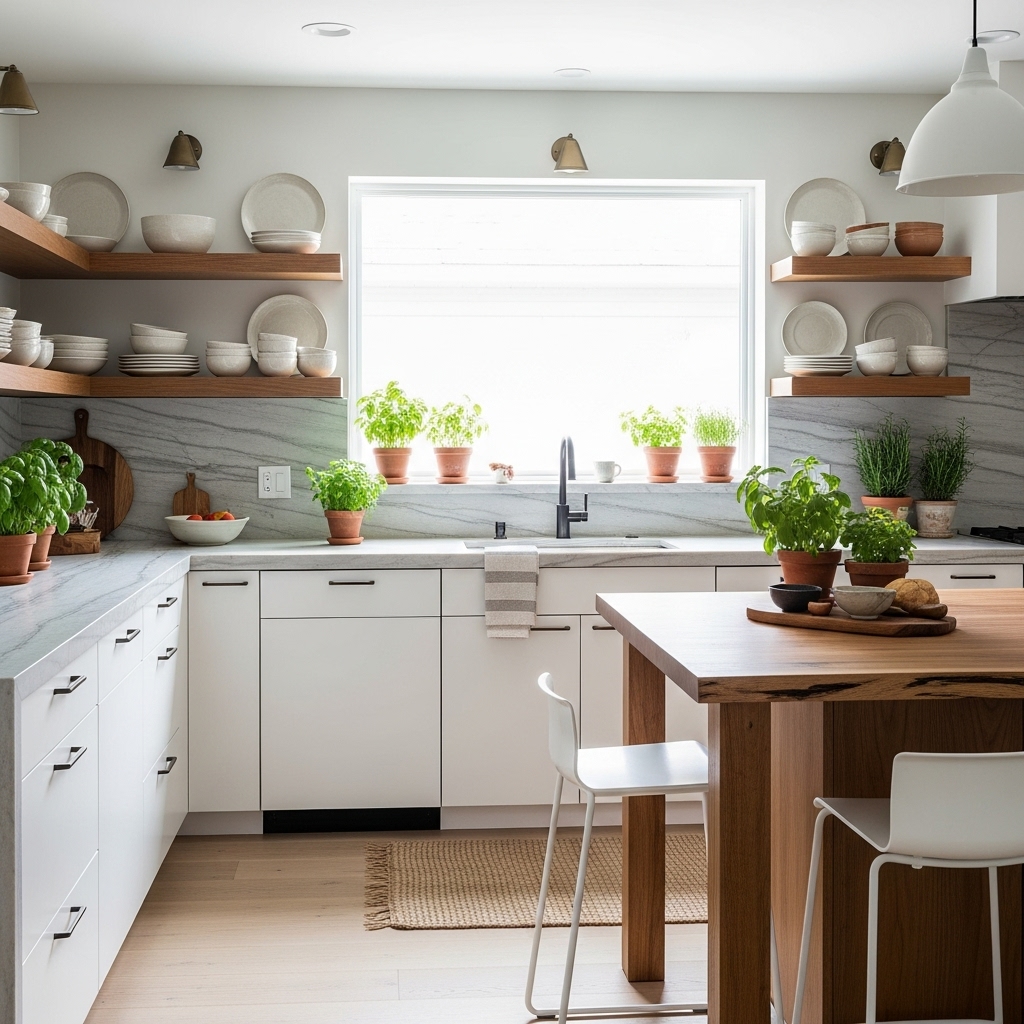
Combine sleek white cabinetry with open wooden shelves and stone countertops. Display a few ceramic bowls or glass jars filled with natural ingredients for a touch of rustic charm.
Bathroom
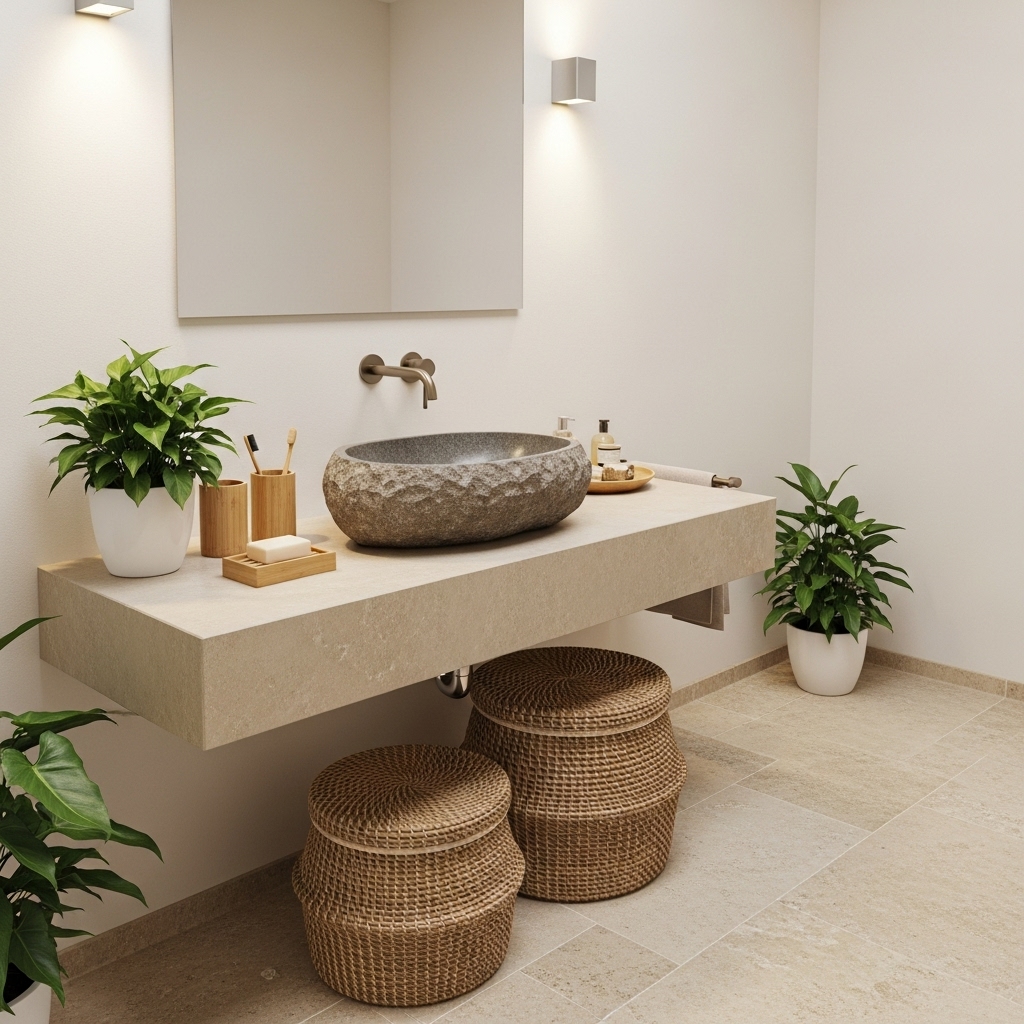
Opt for stone or concrete sinks, bamboo accessories, and greenery like ferns or eucalyptus. Keep it clean, uncluttered, and spa-like.
Why Organic Modern Design Is Timeless
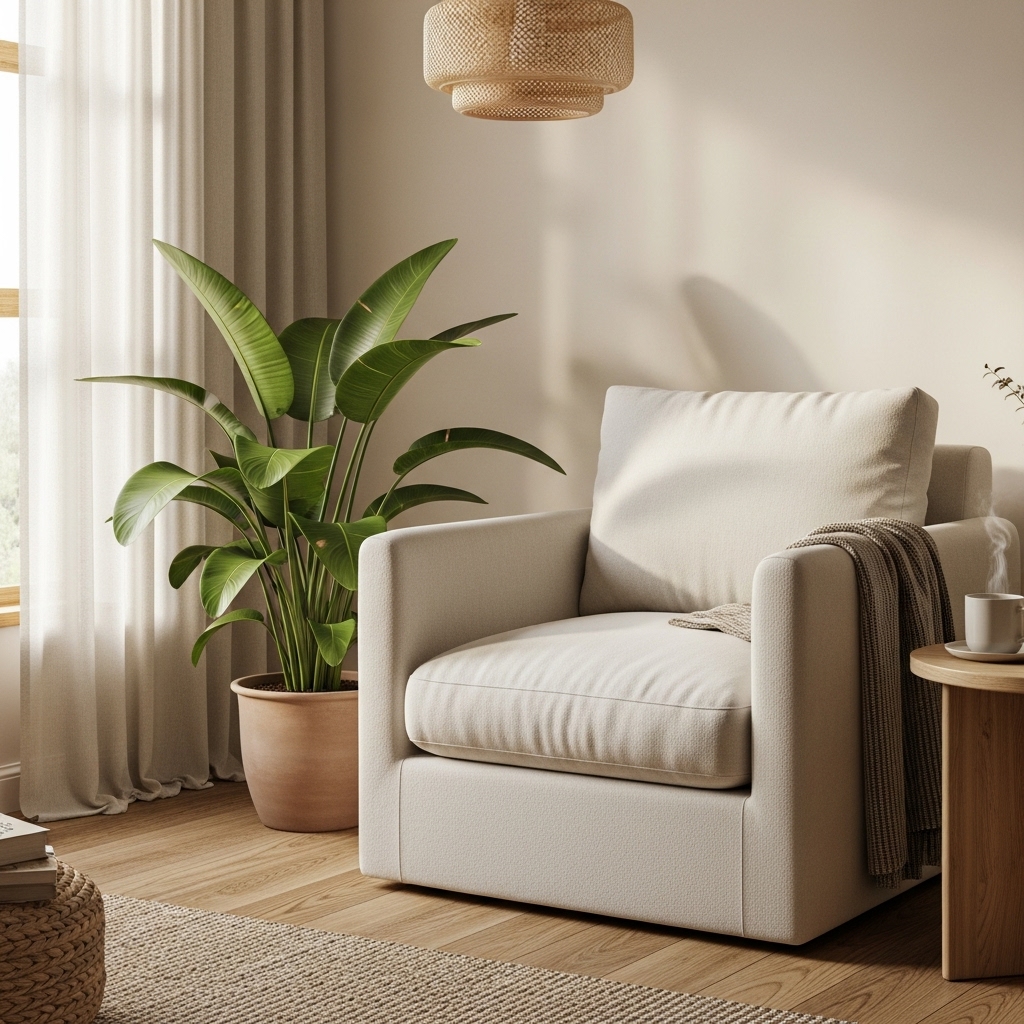
Trends come and go, but Organic Modern Interior Design endures because it speaks to universal human desires — comfort, simplicity, and connection. It’s not just a style; it’s a lifestyle that encourages mindful living and appreciation for the beauty in imperfection.
In an age of fast furniture and fleeting trends, this design philosophy reminds us to slow down, breathe, and reconnect with what truly matters — the natural world and the sense of peace it brings into our homes.
Final Thoughts
If you’re drawn to clean lines but crave warmth and authenticity, Organic Modern Interior Design offers the perfect middle ground. By blending modern minimalism with natural materials, you can create a home that feels luxurious yet livable, sophisticated yet soulful.
Whether you start small — with a few organic decor pieces — or embark on a full redesign, the key is balance. When you let nature and simplicity guide your design choices, you’ll discover a space that not only looks beautiful but feels like home.