Genius Indoor Gardening Ideas for Small Spaces You’ll Wish You Tried Sooner
Genius Indoor Gardening Ideas for Small Spaces
If you’ve ever wished you could grow fresh herbs, lush plants, or even tiny veggies inside your home—but felt limited by space—you’re in the right place. Small spaces don’t have to mean small gardening dreams. With the right ideas, even a studio apartment, tiny kitchen, or compact office can bloom like a mini oasis.
This guide brings you genius indoor gardening ideas for small spaces you’ll wish you tried sooner, showing you how to transform unused corners, overlooked walls, and narrow shelves into thriving pockets of greenery. Whether you’re a total beginner or a plant lover looking to up your game, these clever solutions will help you grow more with less.
Why Indoor Gardening Is Perfect for Small-Space Living
Indoor gardening is more than a trend—it’s a lifestyle upgrade. Even just a few plants can improve air quality, boost your mood, and add an earthy charm to your home. If you work from home, plants can increase productivity and reduce stress. And for kitchen lovers, nothing beats the flavor of freshly snipped basil or mint.
Better yet? Indoor gardening is extremely flexible. You can scale it up or down based on your available space, lighting, and style.
1. Turn Window Sills Into Mini Greenhouses
If you have even one sunny window, you have prime real estate for indoor gardening. Window sills are the perfect place for herbs, succulents, and small flowering plants. The natural light keeps plants happy, and the compact space ensures they never take over.
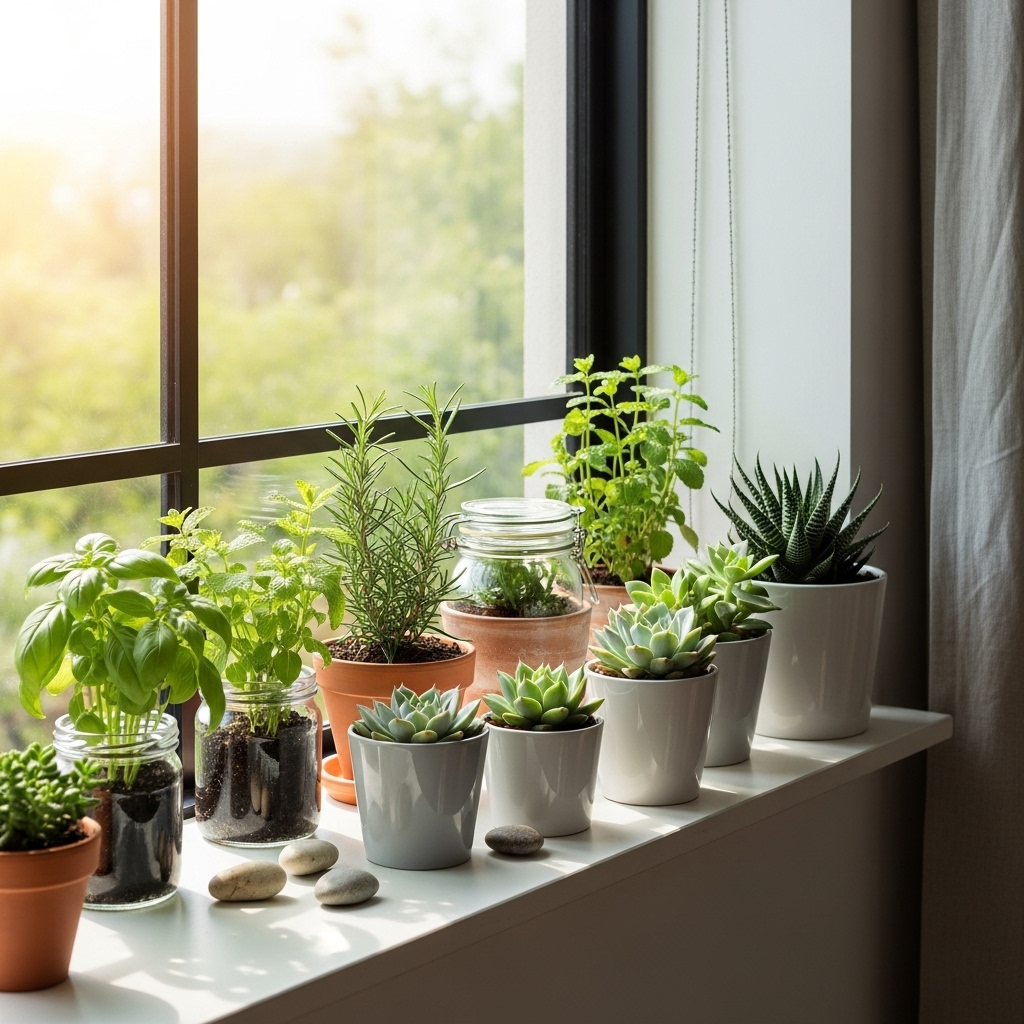
Try grouping 3–5 small pots together for a curated, Pinterest-worthy display. Herbs like basil, rosemary, and thyme thrive here, alongside bright plants like African violets or jade.
Bonus tip: Rotate your pots weekly so your plants grow evenly and stay balanced toward the light.
2. Use Tiered Shelving to Double (or Triple) Your Growing Space
Shelves are the secret weapon of small-space gardeners. They let you grow upward instead of outward, giving you room for dozens of plants even in tight quarters.
Choose floating shelves, leaning ladder shelves, or tiered plant stands based on your décor style. Place low-light plants like ferns and pothos on the lower levels and sun-loving plants like succulents near the top.
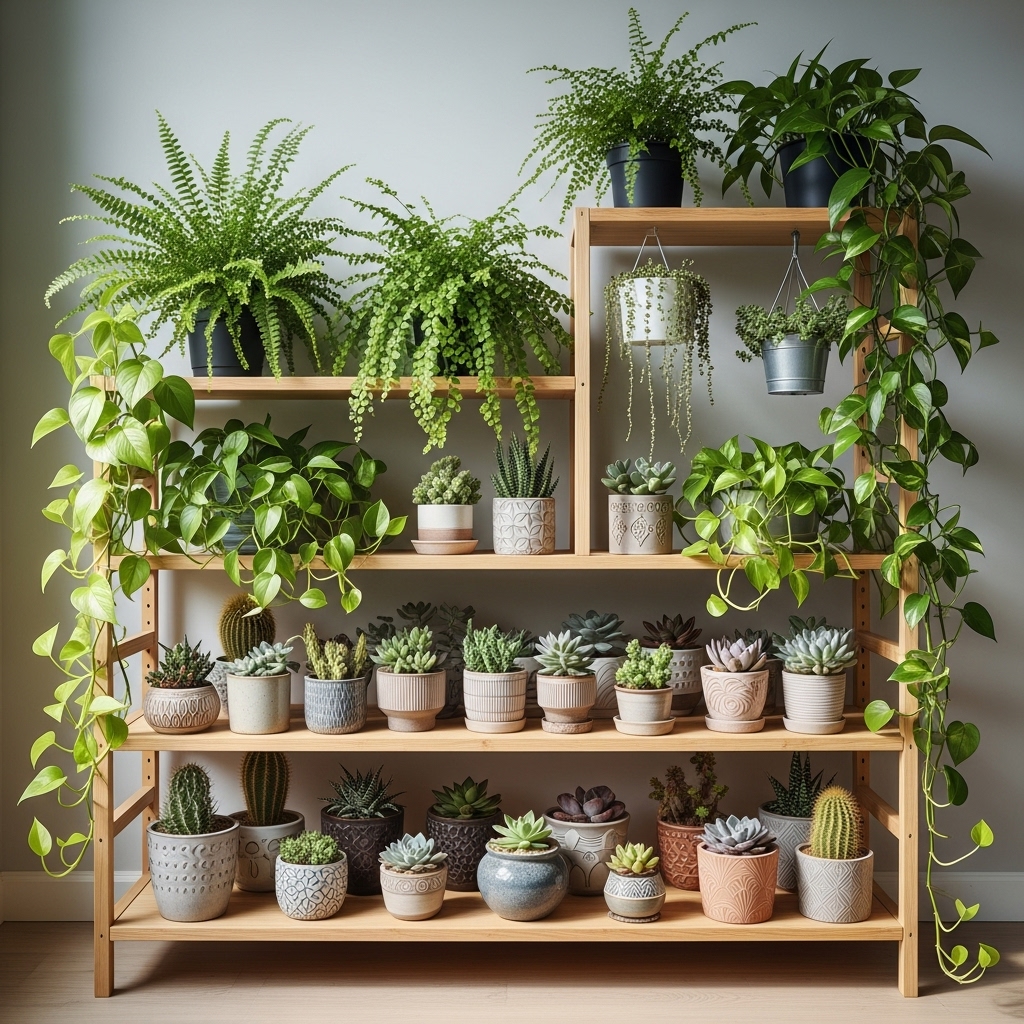
Add a small grow light strip under the upper shelves if your room doesn’t get much natural light—your plants will grow beautifully without taking up extra floor space.
3. Create a Vertical Indoor Garden Wall
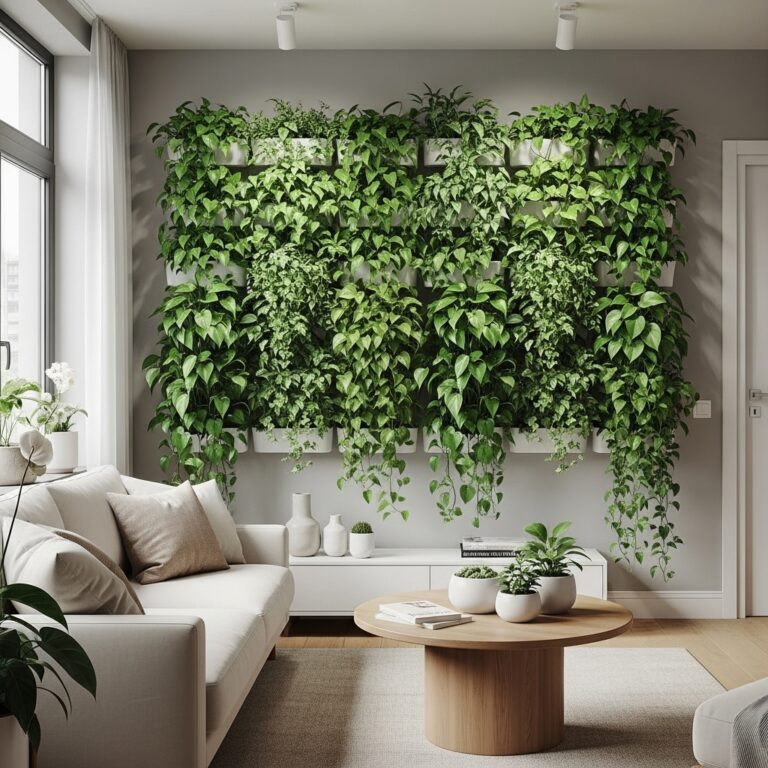
Vertical gardening offers one of the best genius indoor gardening ideas for small spaces. It transforms empty wall space into a living, breathing piece of art. Wall-mounted planters, hanging pocket gardens, or modular plant panels all work perfectly.
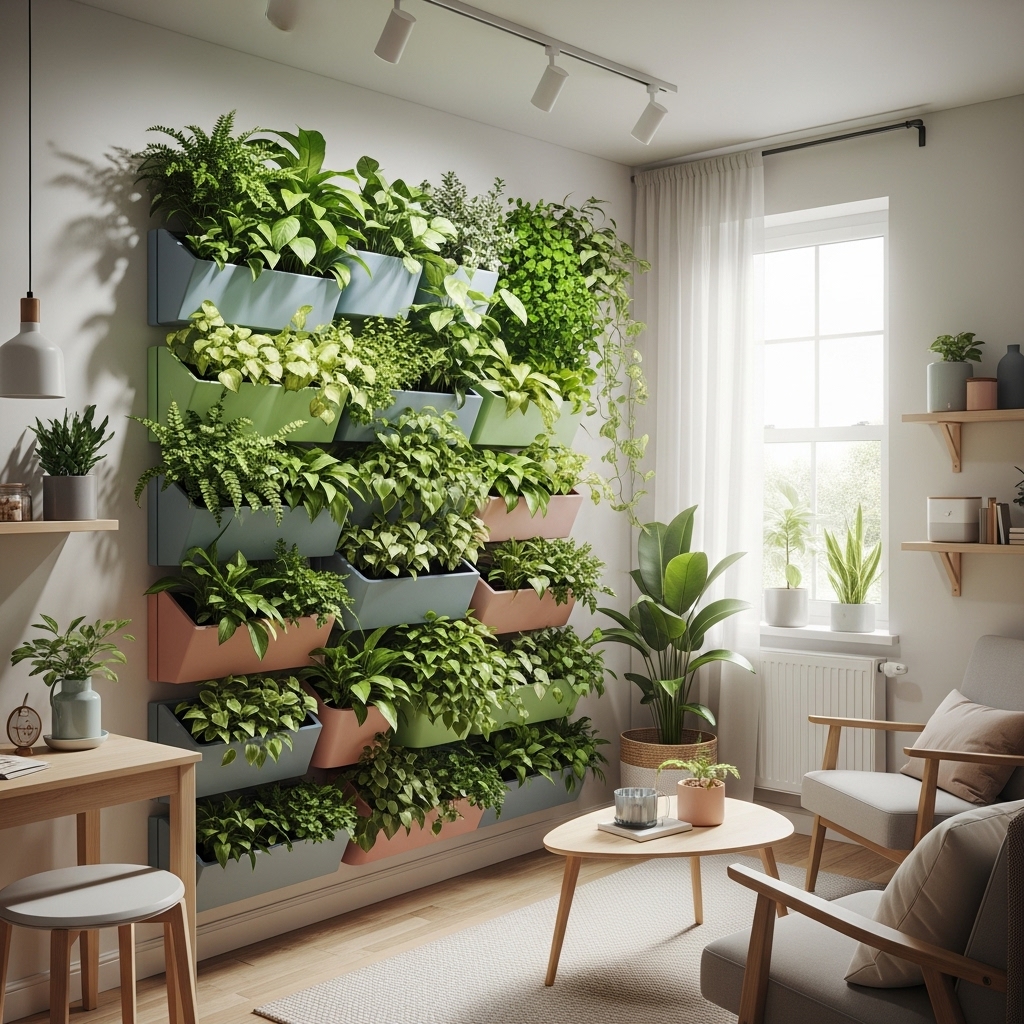
This setup is ideal for:
- Herbs in the kitchen
- Trailing plants like English ivy
- Air plants in modern spaces
- Mini-leaf vines for aesthetic “plant walls”
A vertical garden instantly adds personality while keeping surfaces clutter-free.
4. Start a Hanging Plant Garden
If your small space has limited surfaces for pots, go upward—literally. Hanging planters are trendy, beautiful, and incredibly space-efficient.
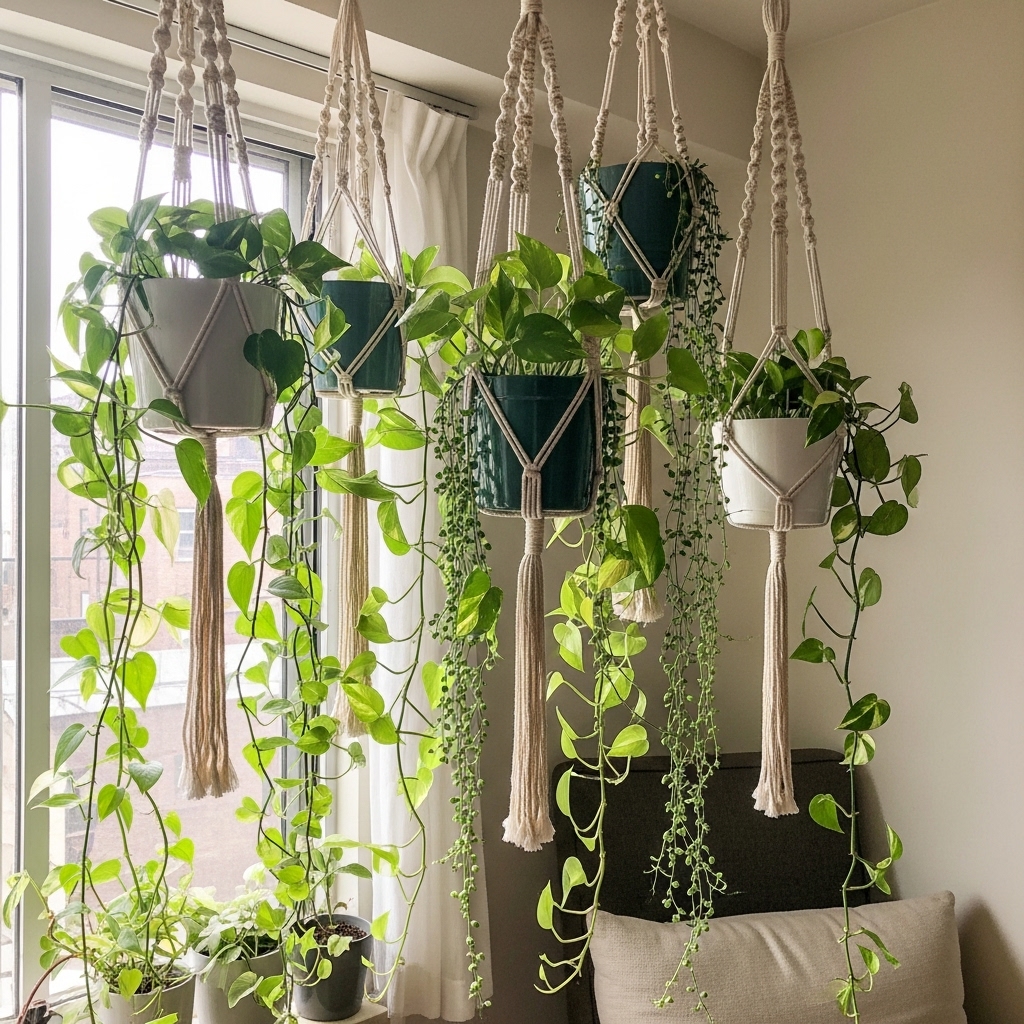
Macrame hangers, glass orbs, metal baskets, and ceramic hangers all work well. Hang them near windows, from floating shelves, or even from ceiling hooks.
Best plants for hanging gardens:
- Spider plants
- Golden pothos
- String of pearls
- Philodendron varieties
- Air plants
Hanging gardens also draw the eye upward, making small rooms feel taller and more open.
5. Make a Mason Jar Herb Garden
Herbs are some of the easiest—and most rewarding—plants to grow indoors. And mason jars make perfect mini planters that fit almost anywhere: countertops, windows, shelves, or even magnetic strips on the fridge.
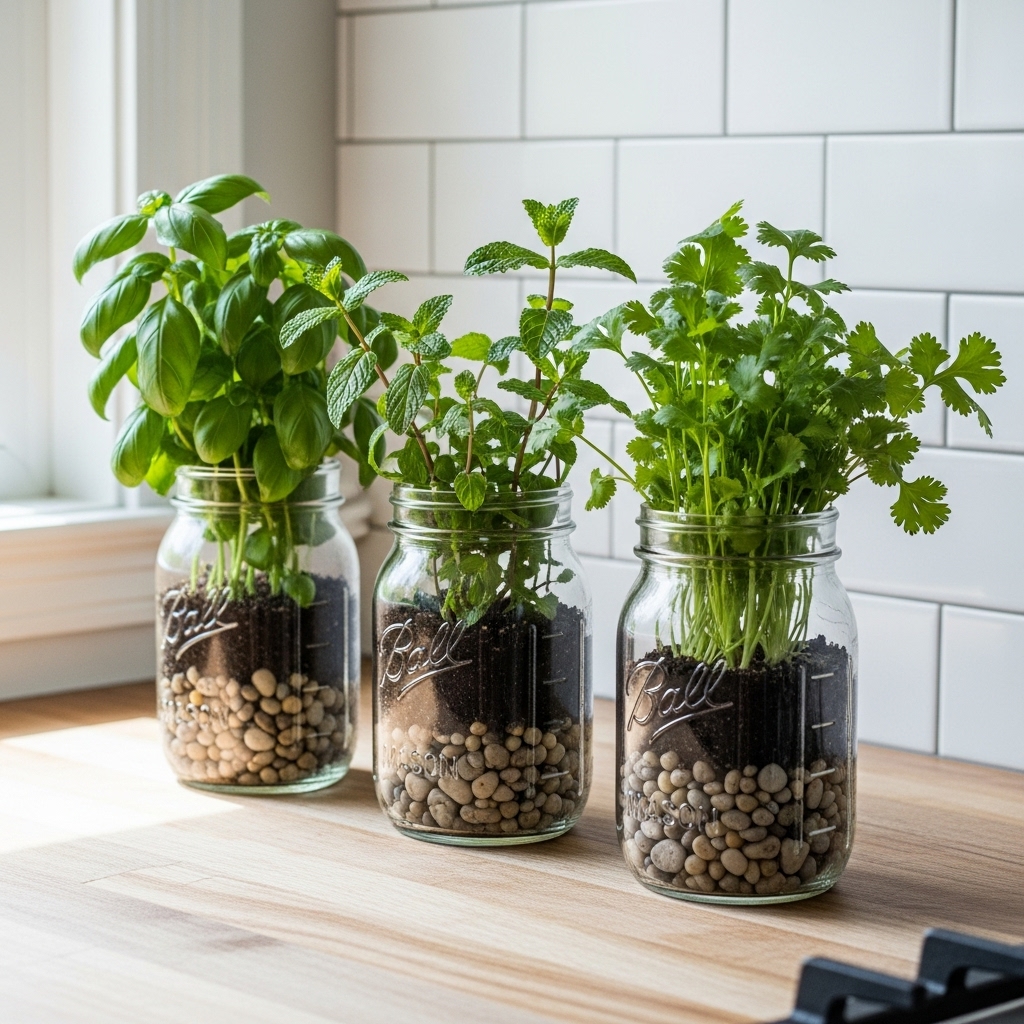
Just add a layer of pebbles at the bottom for drainage, then soil, and your herb seeds or starter plants. Basil, parsley, cilantro, mint, and chives love this setup.
To elevate the look, label each jar with a chalk sticker or wooden tag for a farmhouse-chic vibe.
6. Build a Compact Indoor Hydroponic Setup
Hydroponics may sound high-tech, but modern countertop versions make it easy for beginners. These systems grow plants in water instead of soil, saving tons of space and eliminating mess.
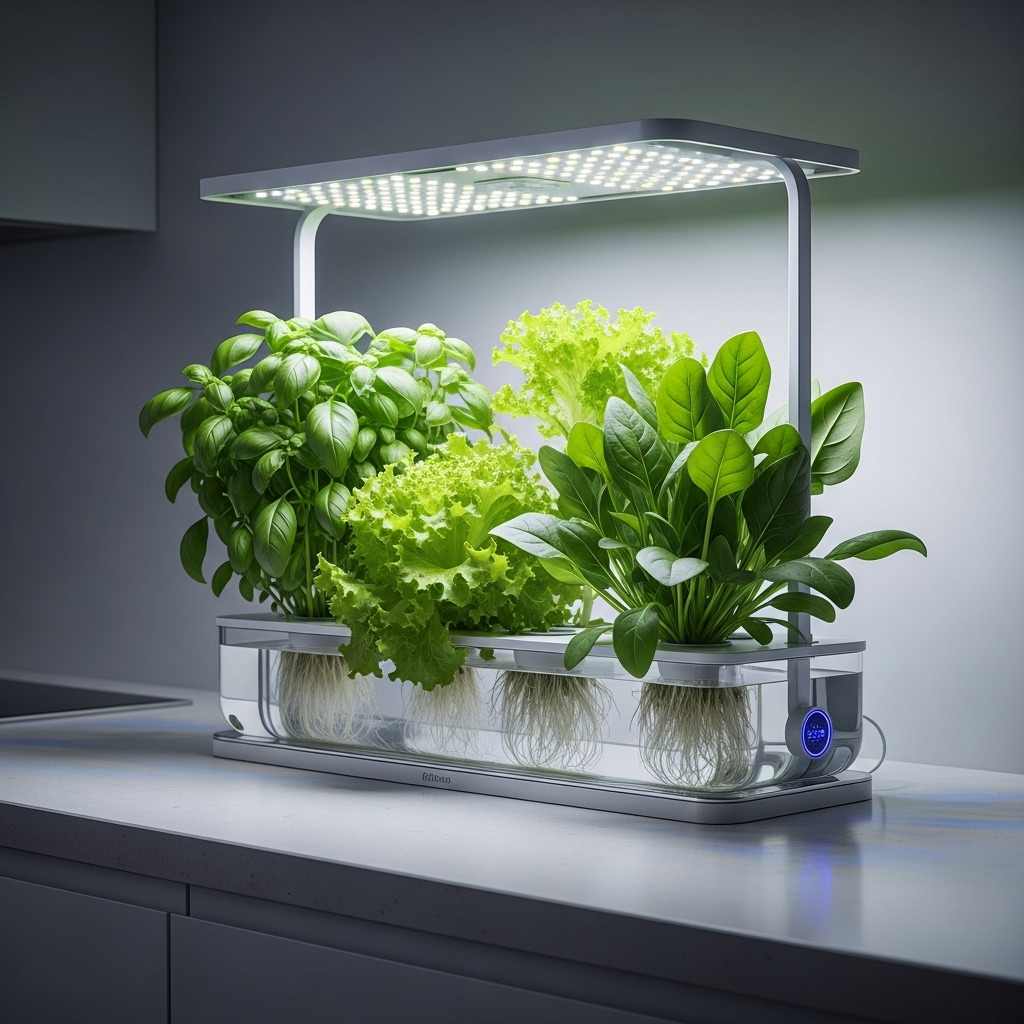
Hydroponic gardens are excellent for:
- Lettuce
- Kale
- Basil
- Mini tomatoes
- Spinach
They grow fast, require minimal maintenance, and often come with built-in grow lights—perfect for apartments with limited sunlight.
7. Create a Plant Corner With Mixed Heights
If you want maximum visual impact, design a dedicated plant corner. Using mixed heights—floor plants, stool-level pots, and small tabletop planters—adds depth and personality.
Choose a corner near a window for easy sunlight access, or add a standing grow light if your space is dim. This setup turns even the tiniest room into a cozy botanical retreat.
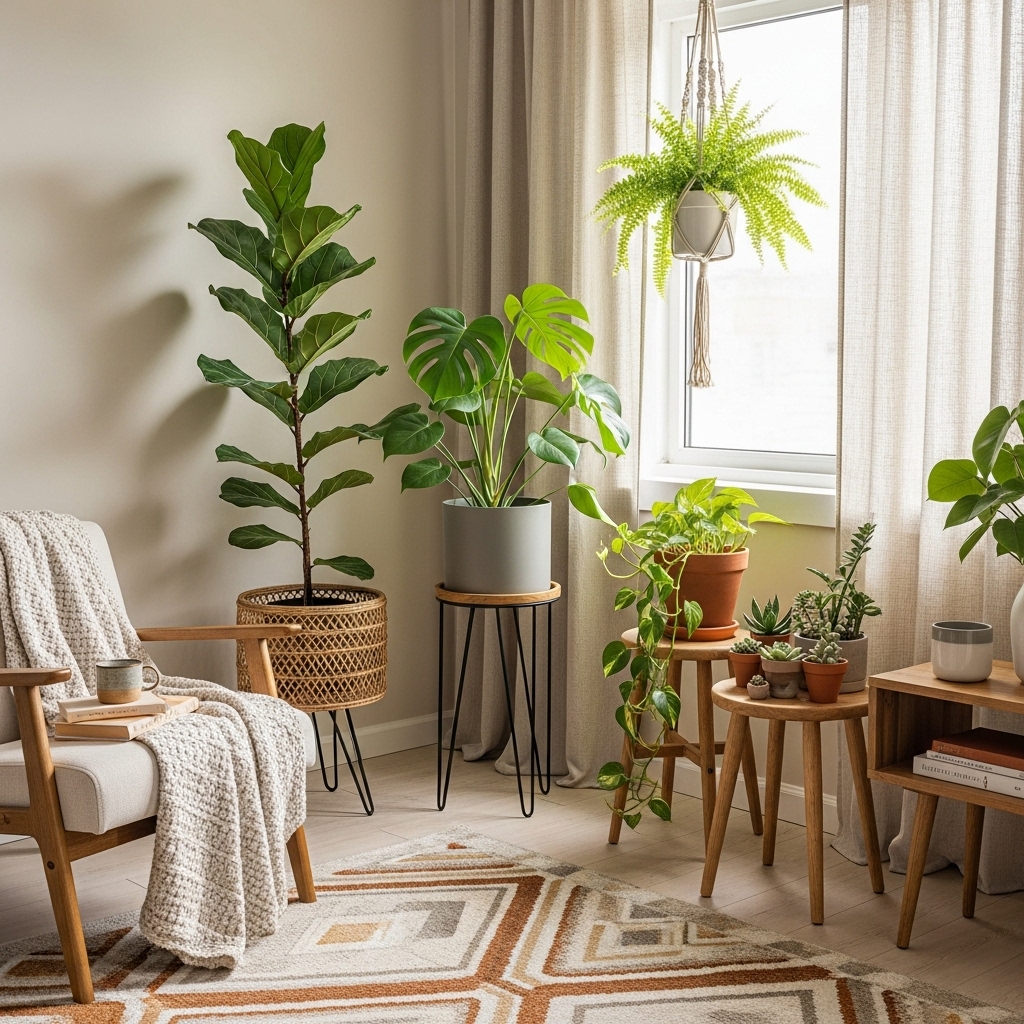
Great plants for a mixed-height corner include:
- Snake plants
- ZZ plants
- Peace lilies
- Pothos
- Rubber plants
These are low-maintenance and perfect for beginners.
8. Try a Rolling Plant Cart
If you love the idea of a mini indoor garden but want flexibility, a rolling cart is a game changer. You can move it to sunny spots, push it into corners when guests come over, or roll it to the kitchen when you need fresh herbs.
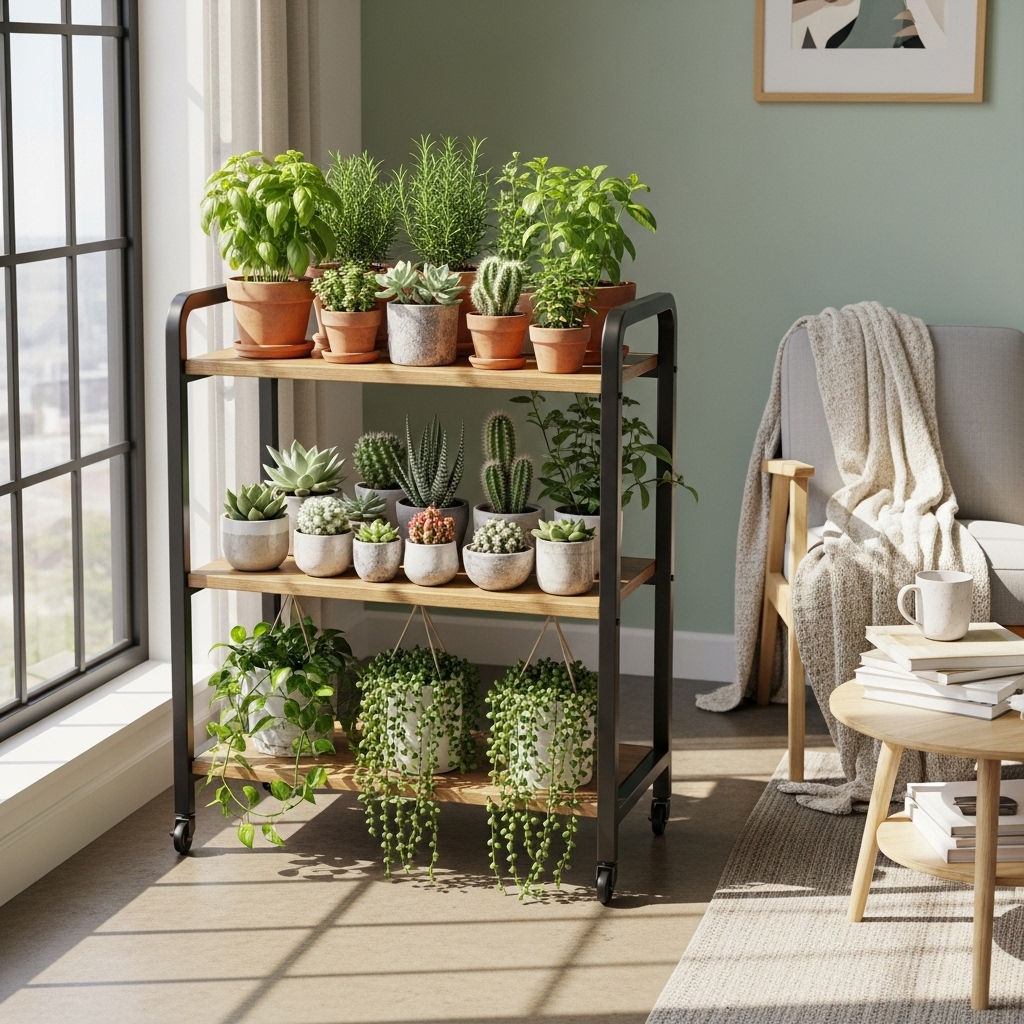
Three-tier carts work best and can hold:
- Herbs
- Seedlings
- Trailing plants
- Small decorative pots
They’re stylish, functional, and perfect for renters who can’t mount shelves.
9. Experiment With Microgreens for Quick Harvests
Microgreens are small but mighty. They grow quickly—often in just 7–10 days—and pack intense flavor. Even better, they require almost no space.
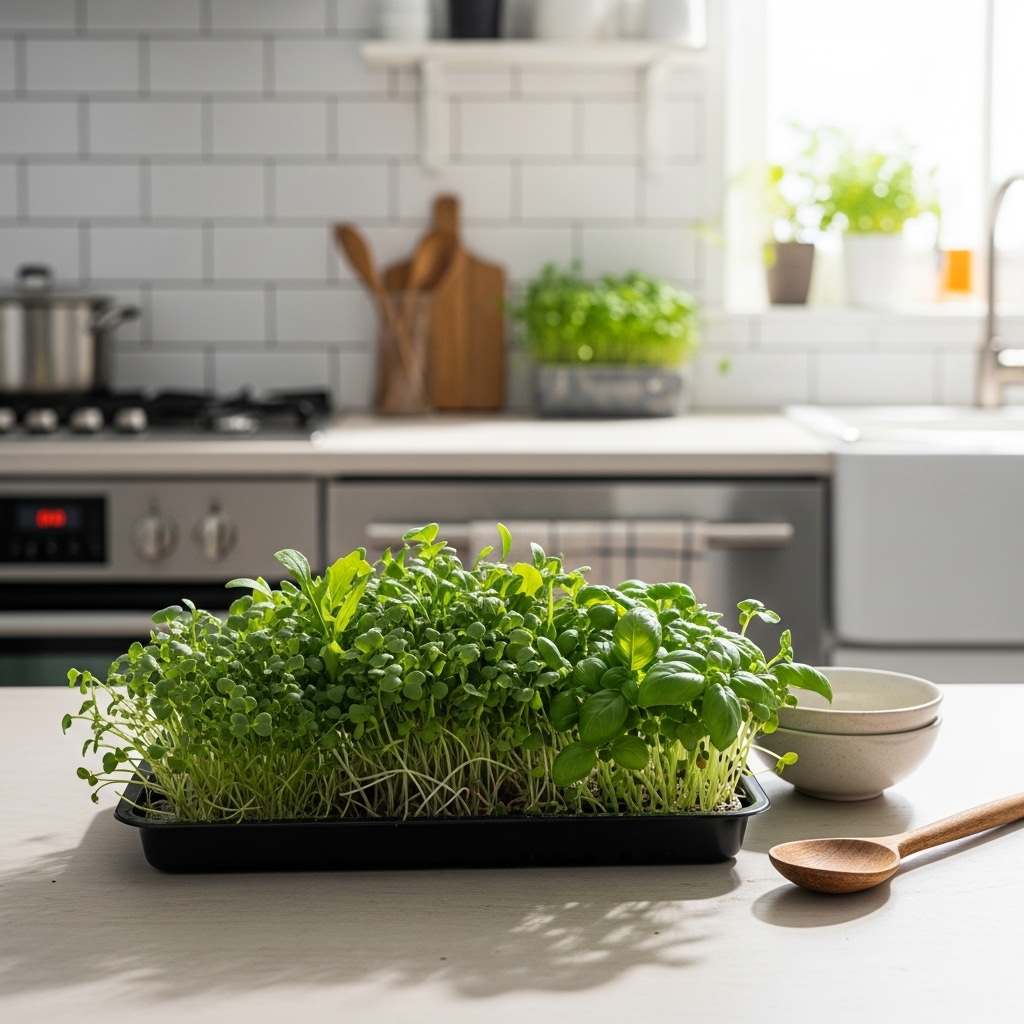
All you need is a shallow tray, soil or a growing pad, seeds, and a little sunlight. Popular microgreens include radish, broccoli, arugula, pea shoots, and sunflower greens.
Place the trays on countertops, small shelves, or a sunny ledge. Harvest with scissors, sprinkle on meals, and regrow again.
10. Use Terrariums for Low-Maintenance Mini Worlds
Terrariums are stunning tiny ecosystems that thrive in enclosed glass containers. They require very little water and are perfect for small apartments or offices.
Open terrariums work well for succulents and cacti. Closed terrariums are ideal for mosses, ferns, and humidity-loving plants.
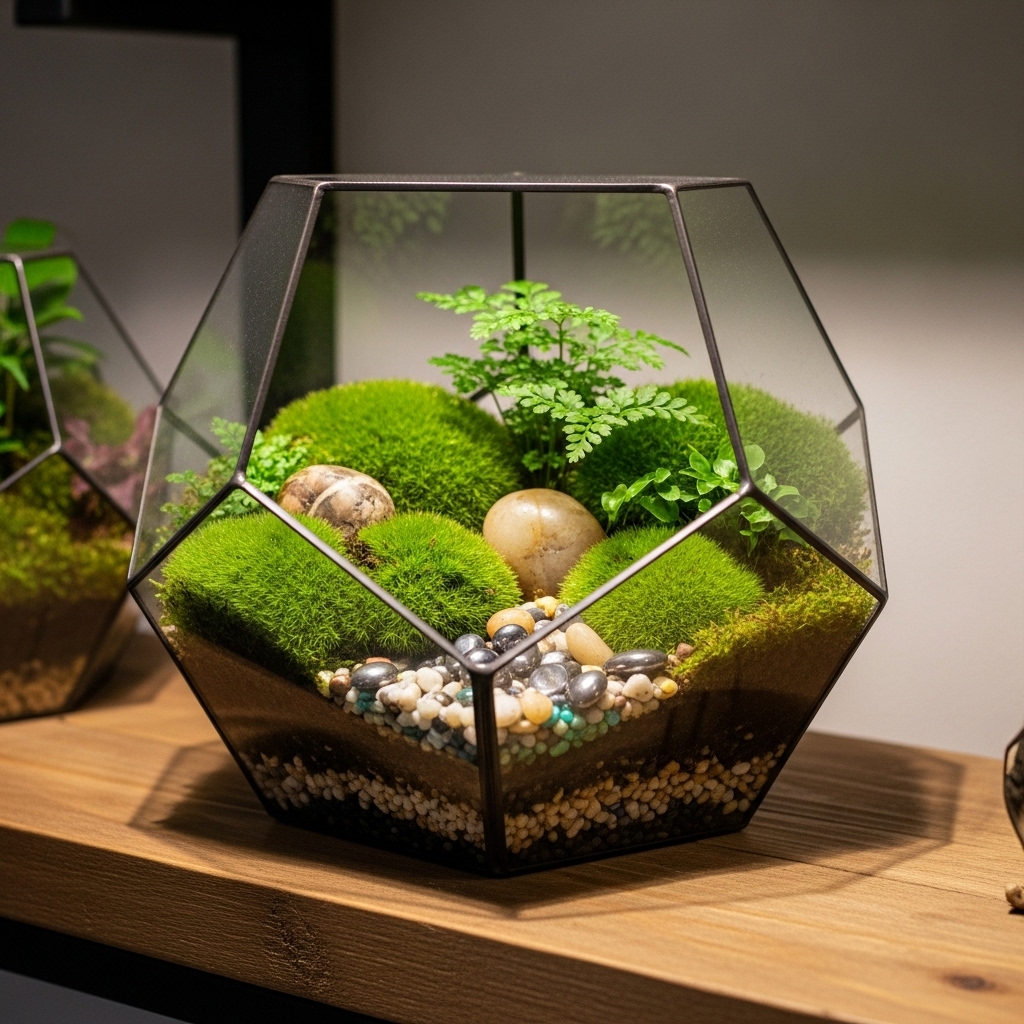
They also double as beautiful décor, making them perfect for desks, coffee tables, or bookshelves.
11. Turn Your Kitchen Counter Into a Mini Garden
Your kitchen probably gets more natural light than you think—making it the perfect place for small, edible plants. Think countertop herb gardens, dwarf pepper plants, or mini hydroponic pods.
Cluster a few small pots on a wooden tray to keep the look organized and stylish. And choose compact or dwarf varieties engineered for indoor growing.
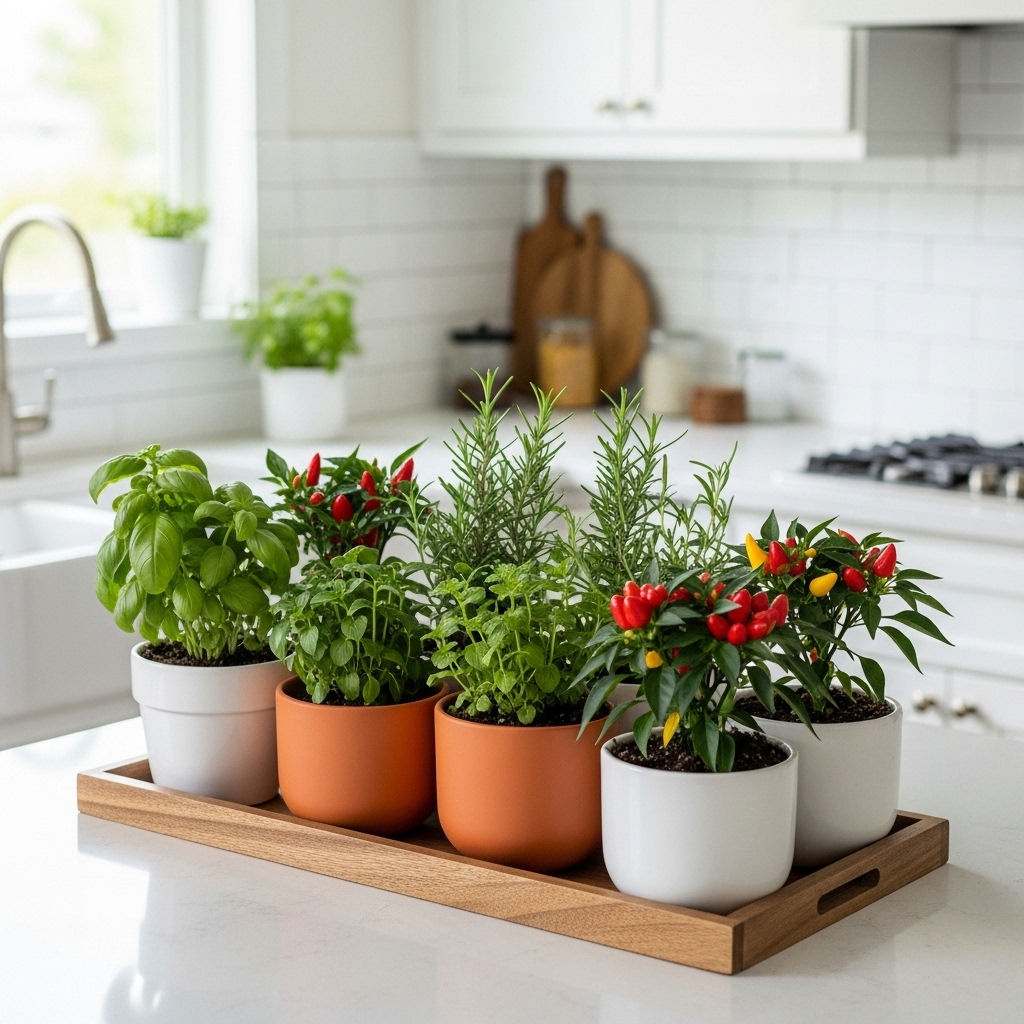
This is one of the easiest genius indoor gardening ideas for small spaces you’ll wish you tried sooner because you get both beauty and fresh flavor.
12. Use Magnetic Planters on Your Fridge
Running low on shelf space? Your refrigerator boasts a surprising amount of unused real estate. Magnetic planters attach directly to the fridge door and can hold small herbs, succulents, or trailing mini plants.
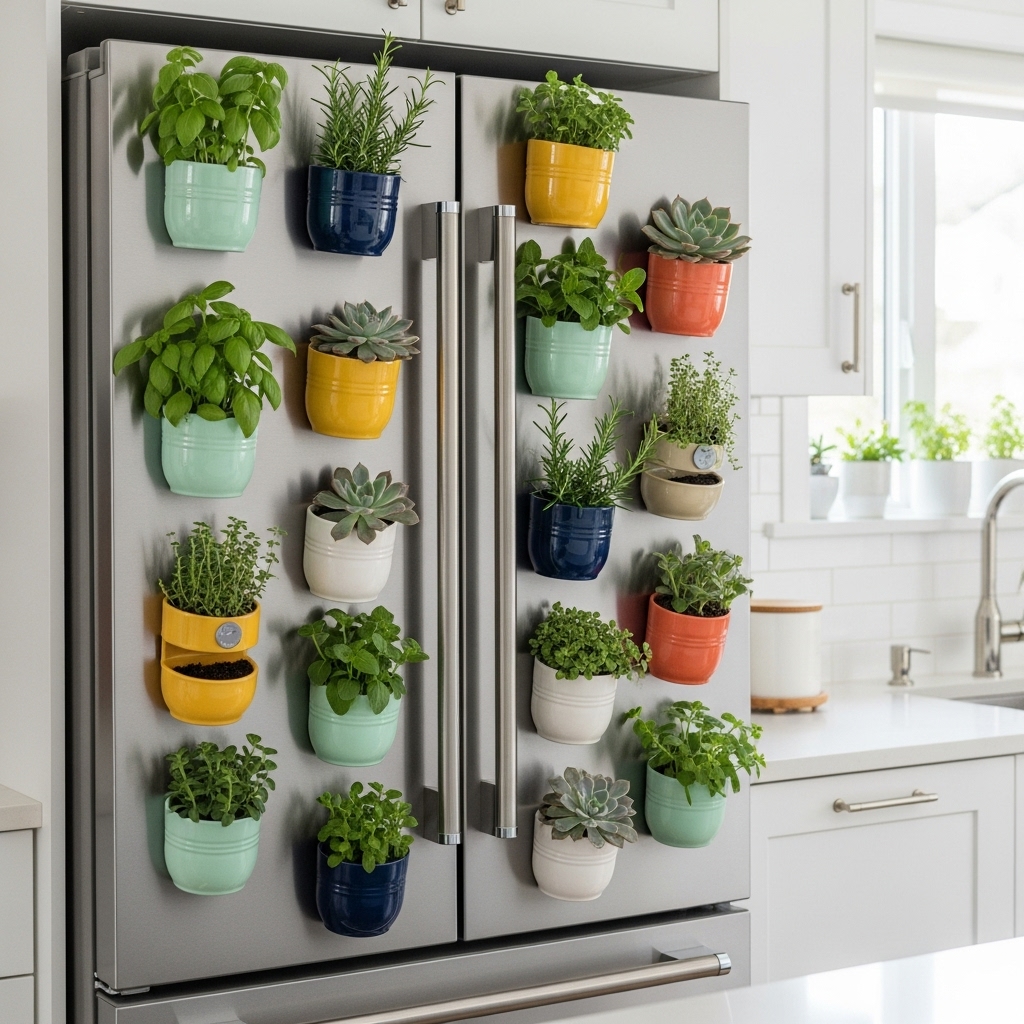
They’re quirky, fun, and practical—and they save precious counter space.
13. Grow Low-Light Plants in a Bathroom Oasis
Bathrooms with windows create ideal environments for humidity-loving plants. Ferns, pothos, snake plants, calathea, and peace lilies thrive in the warm moisture.
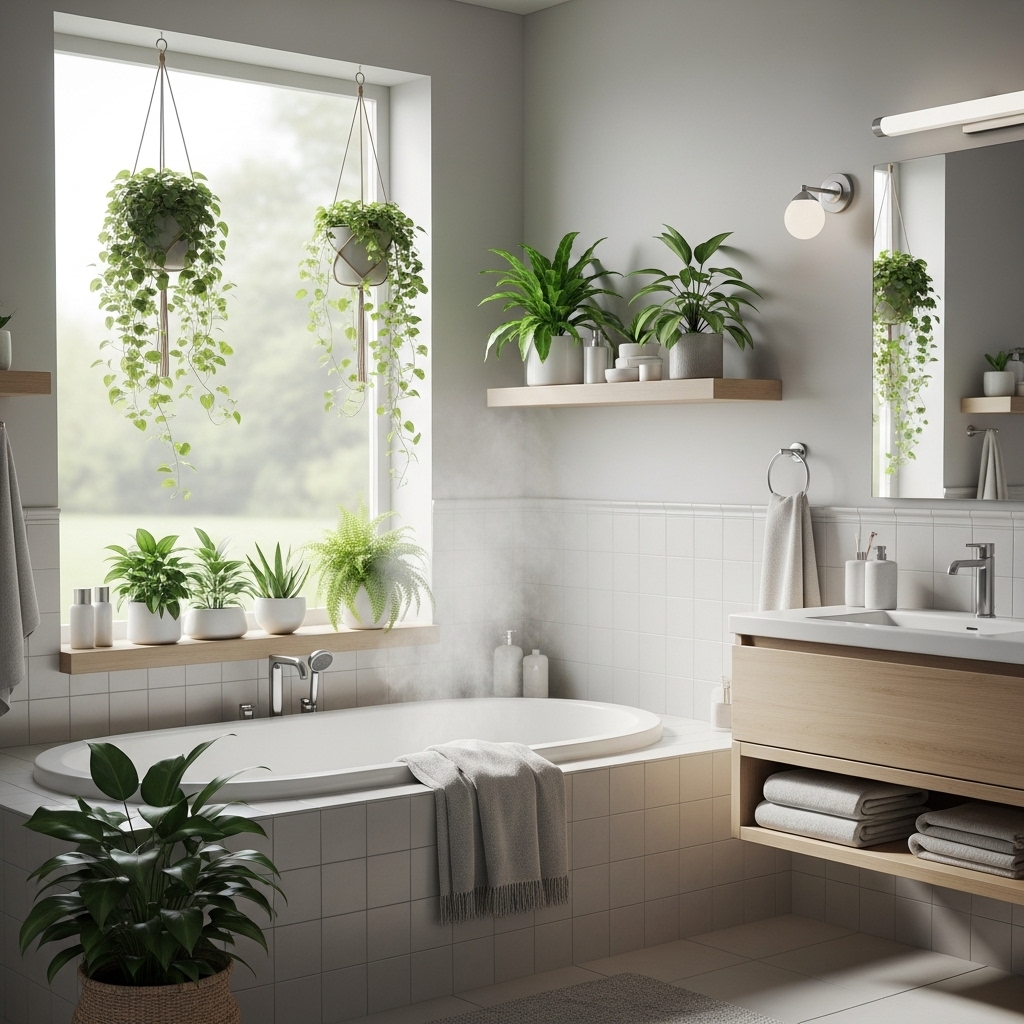
Place one on a floating shelf, hang one in the shower corner, or line a windowsill with small pots. This transforms your bathroom into a spa-like retreat.
Final Thoughts
Indoor gardening doesn’t require a huge home, abundant sunlight, or a green thumb. With creativity and smart design, anyone can grow vibrant plants, fresh herbs, or even small veggies in the smallest spaces.
These genius indoor gardening ideas for small spaces you’ll wish you tried sooner not only maximize limited room but also make your home feel alive, fresh, and beautifully styled. Start small, experiment with different setups, and watch your indoor garden flourish—no backyard required.