Minimalist Living Room Ideas for Clean Homes: Simple Designs That Feel Calm & Stylish
In today’s fast-paced world, our homes should feel like a retreat rather than another source of stress. The living room, in particular, plays a central role in daily life—it’s where we relax, entertain guests, and spend quality time with loved ones. Adopting a minimalist approach can transform this space into one that feels peaceful, organized, and effortlessly stylish. By focusing on simplicity and intentional design, minimalist living room ideas for clean homes help create an environment that looks beautiful while being easy to maintain.
Minimalism isn’t about stripping a room of personality. Instead, it’s about choosing what truly matters and allowing your space to breathe. With the right balance of design, color, and functionality, a minimalist living room can feel warm, welcoming, and timeless.
What Defines a Minimalist Living Room?
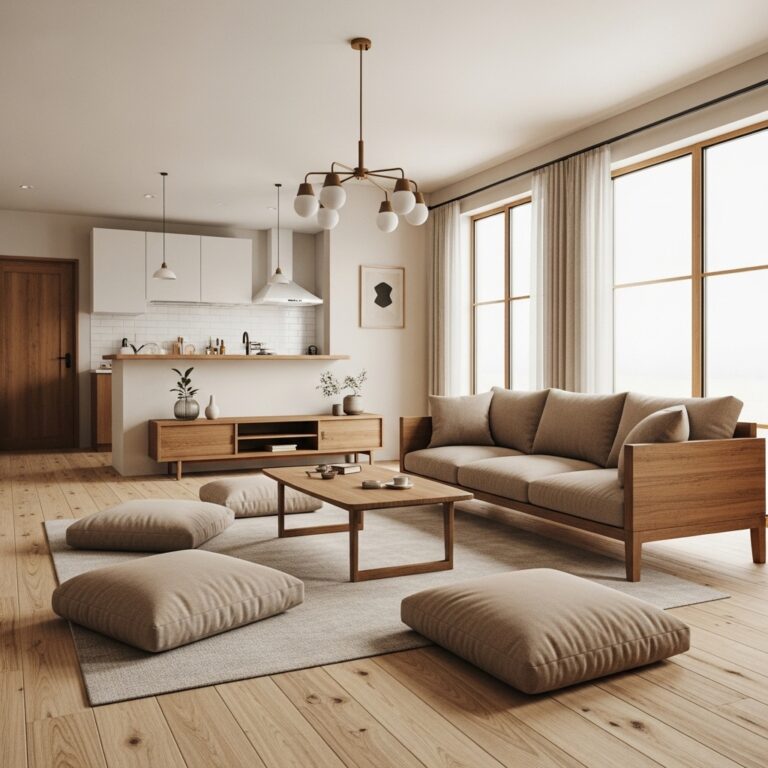
A minimalist living room is guided by clarity and purpose. Every piece of furniture, décor item, and color choice serves a role. The emphasis is on clean lines, open layouts, and uncluttered surfaces. Rather than filling the room with décor, minimalist spaces rely on thoughtful restraint.
This design philosophy also supports clean homes. When there are fewer items to manage, cleaning becomes quicker and less overwhelming. Minimalism encourages mindful ownership, which naturally leads to a more organized and calm living environment.
Choose a Soft, Neutral Color Palette
Color is the foundation of minimalist design. Soft neutrals such as white, cream, beige, greige, and light gray are commonly used to create a calm and airy atmosphere. These tones reflect light, making your living room feel larger and brighter.
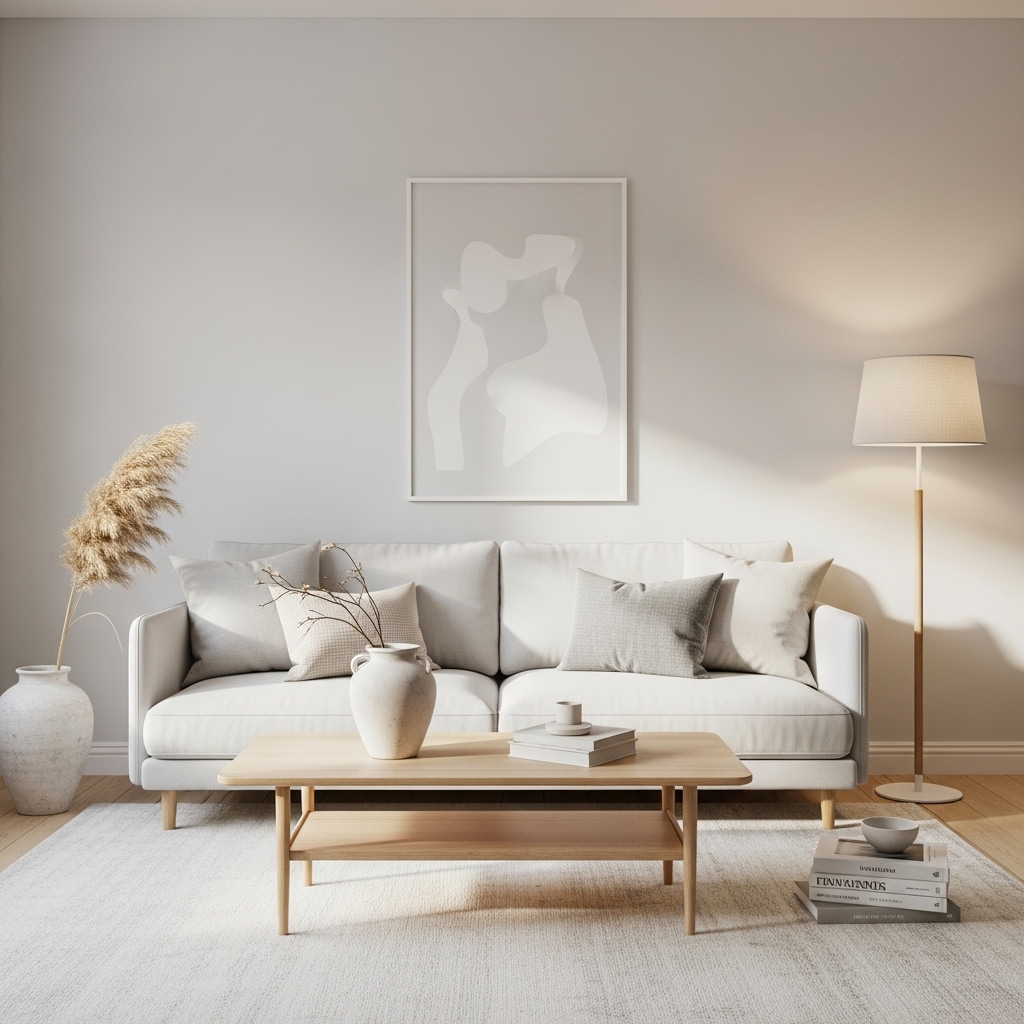
Layering neutral shades adds depth without cluttering the visual space. For example, pairing warm white walls with a light gray sofa and beige accents creates a soothing, cohesive look. If you prefer contrast, subtle black or charcoal details—such as a lamp base or picture frame—can add definition while keeping the room balanced.
Invest in Functional, Clean-Lined Furniture
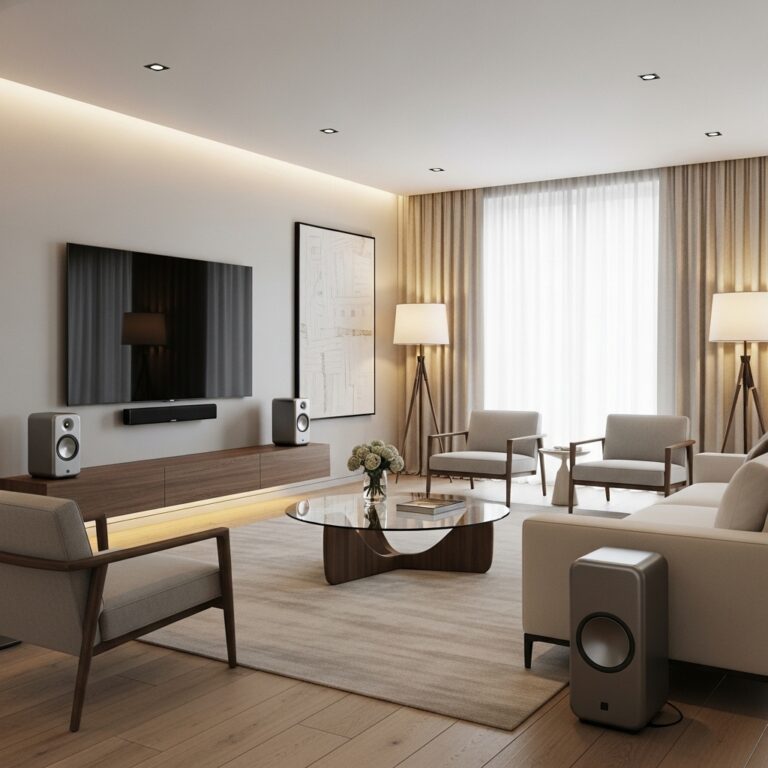
Furniture selection is key when designing a minimalist living room. Instead of oversized or overly ornate pieces, opt for furniture with simple silhouettes and practical functions. A streamlined sofa, a compact coffee table, and a well-proportioned armchair are often all you need.
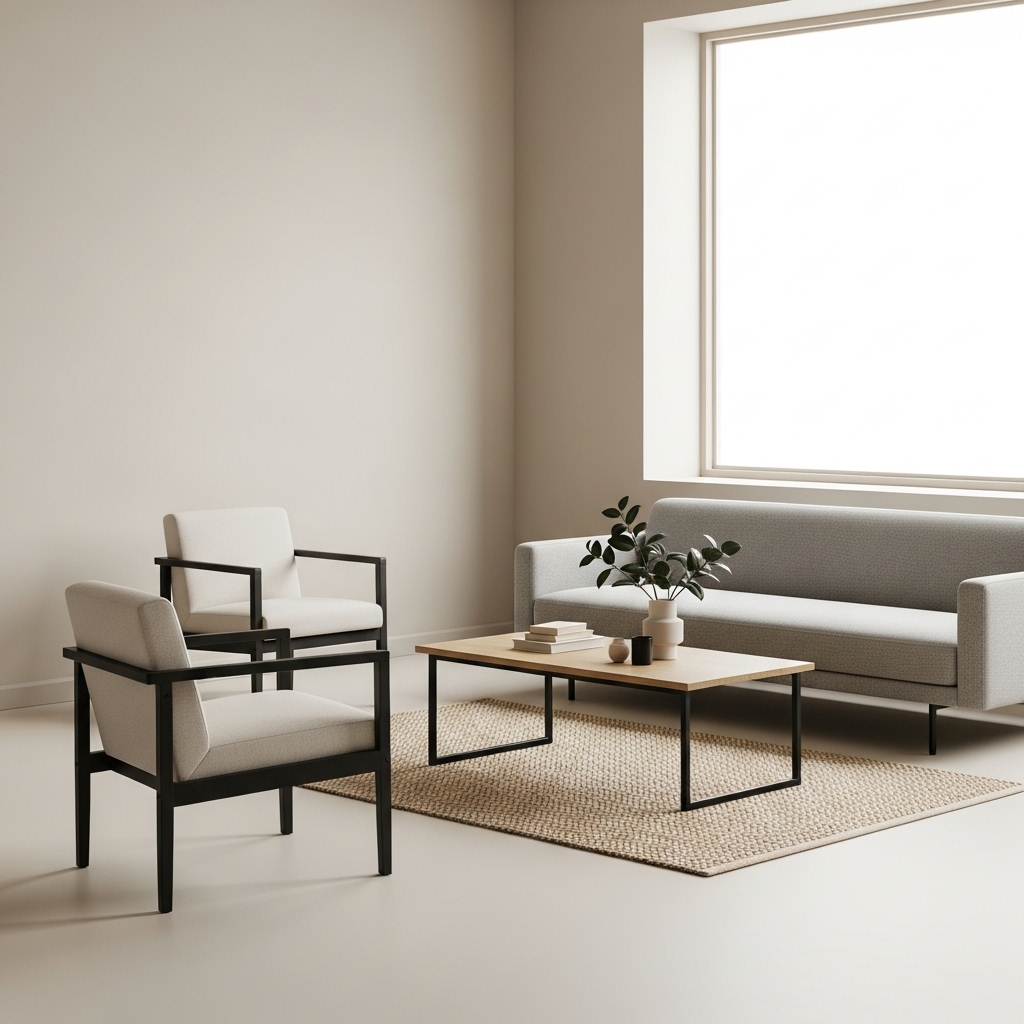
Multi-functional furniture works especially well in minimalist spaces. Storage ottomans, nesting tables, or media consoles with hidden compartments help maintain a clutter-free look while maximizing functionality. Each piece should earn its place in the room, contributing both style and utility.
Embrace Open Space and Flow
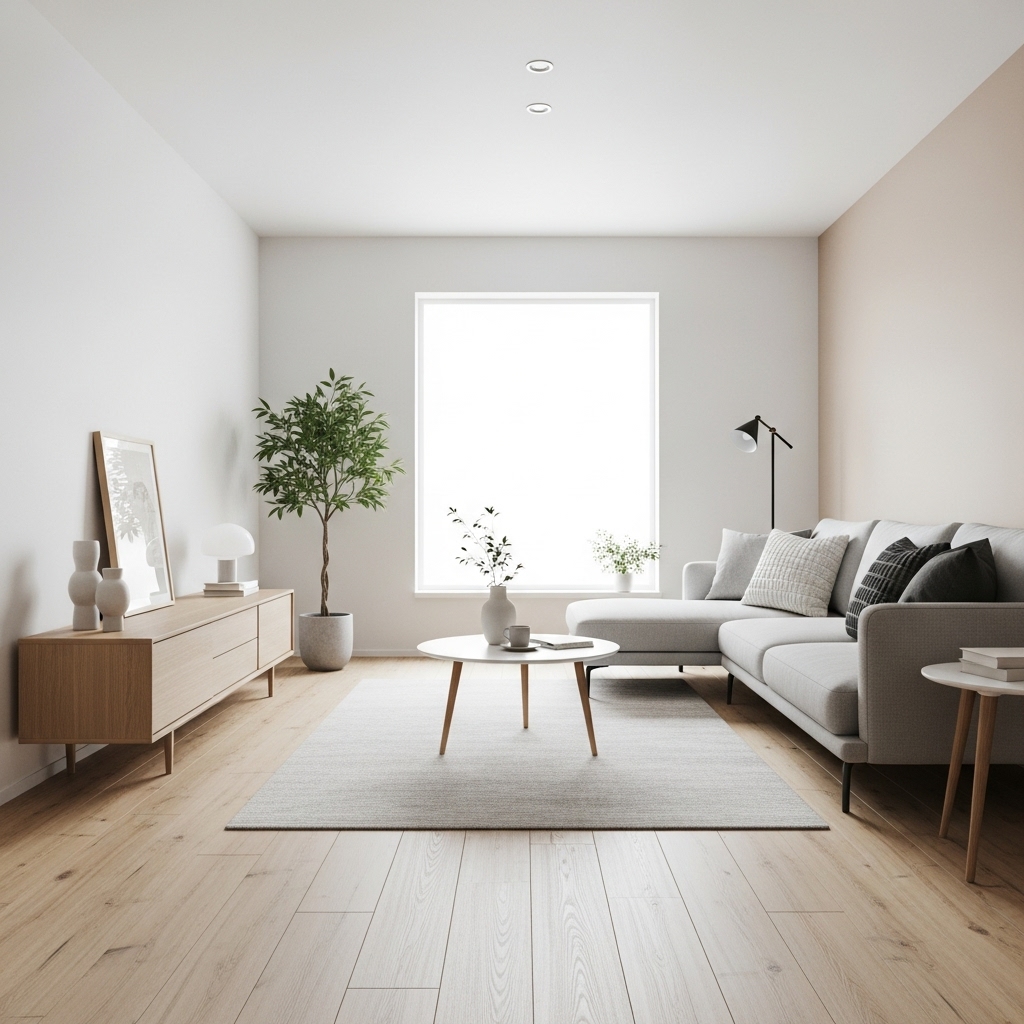
One of the most important minimalist living room ideas for clean homes is allowing space to remain open. Avoid overcrowding the room with furniture or décor. Open floor space helps the room feel lighter, calmer, and easier to navigate.
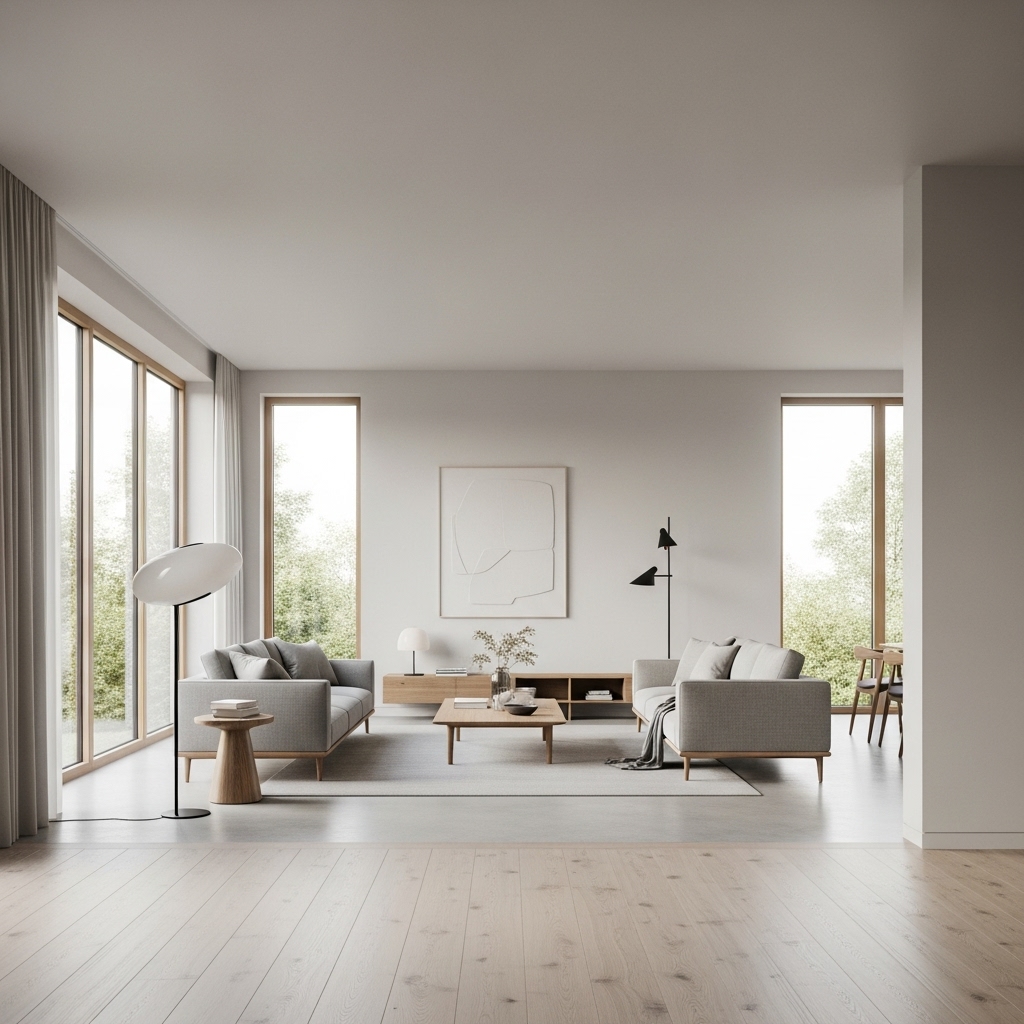
Arrange furniture in a way that promotes natural movement and conversation. Leave breathing room between pieces, and avoid pushing everything against the walls unless necessary. This approach creates a balanced layout that feels intentional rather than sparse.
Keep Décor Intentional and Meaningful
Minimalist décor doesn’t mean no décor—it means curated décor. Choose a few meaningful pieces instead of many small accessories. A single piece of wall art, a ceramic vase, or a sculptural object can make a strong statement without overwhelming the space.
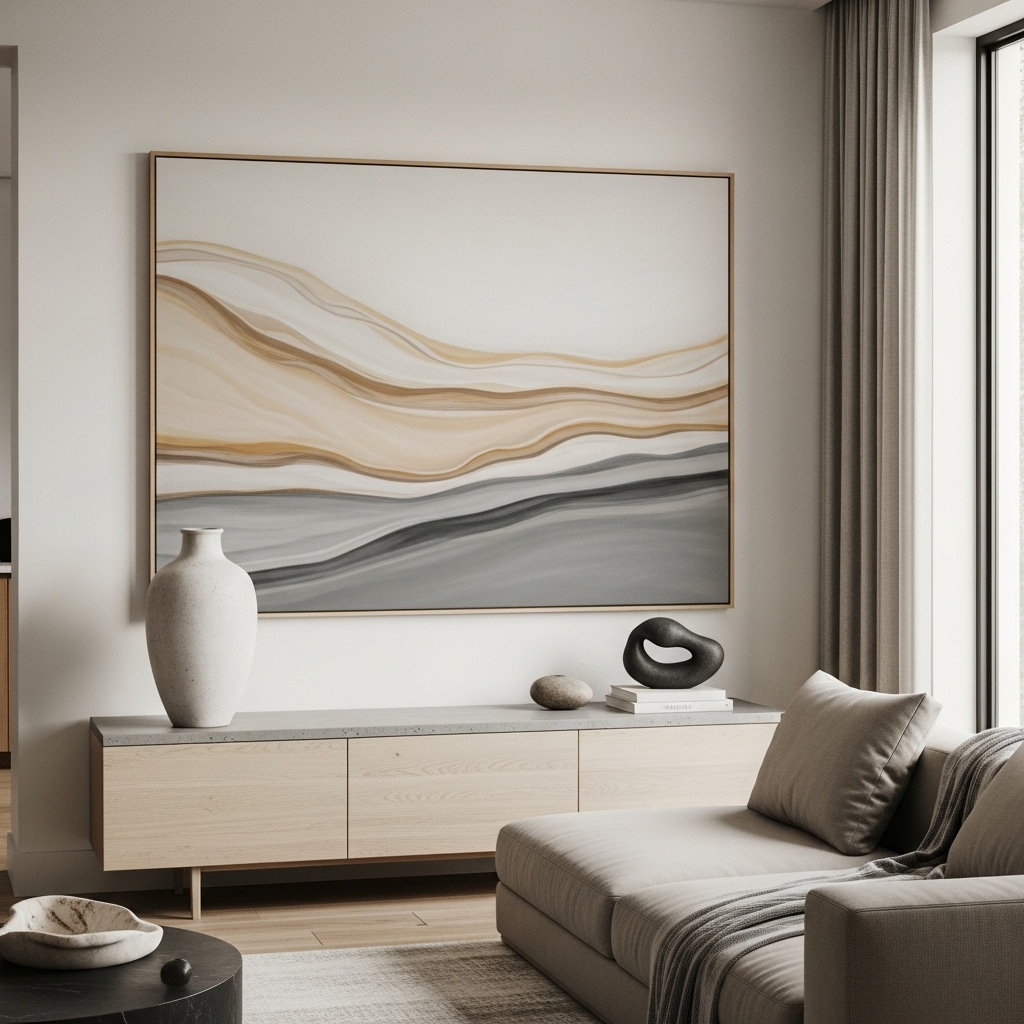
Stick to a consistent color palette and material selection to maintain visual harmony. Natural materials such as wood, stone, glass, and linen add texture and warmth, preventing the room from feeling cold or sterile.
Use Smart Storage to Hide Clutter
A clean minimalist living room relies heavily on smart storage solutions. Visible clutter can quickly disrupt the calm atmosphere, so it’s important to have designated places for everyday items.
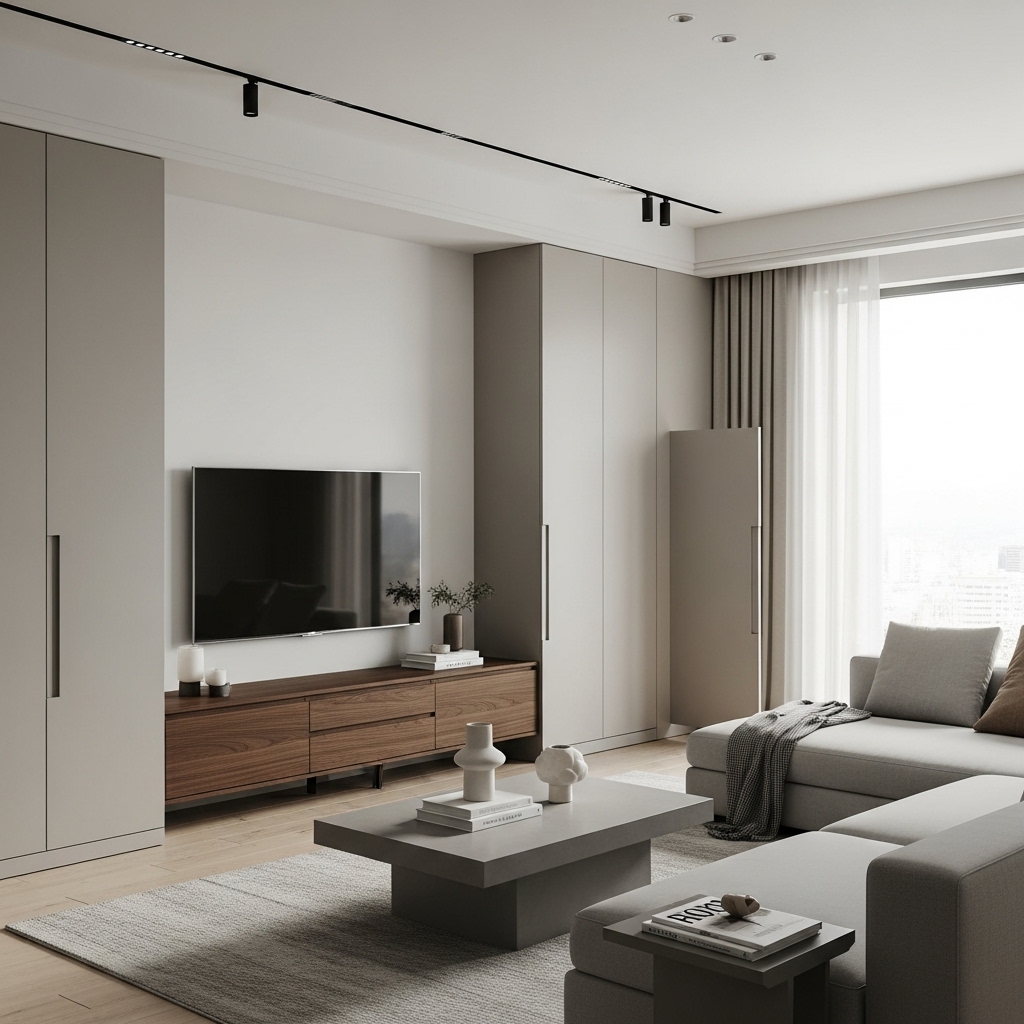
Closed storage options such as cabinets, drawers, and baskets help conceal remotes, books, and miscellaneous objects. Floating shelves can be used sparingly to display a few carefully chosen items while keeping surfaces clear. The goal is to maintain clean lines and uncluttered sightlines throughout the room.
Let Natural Light Take Center Stage
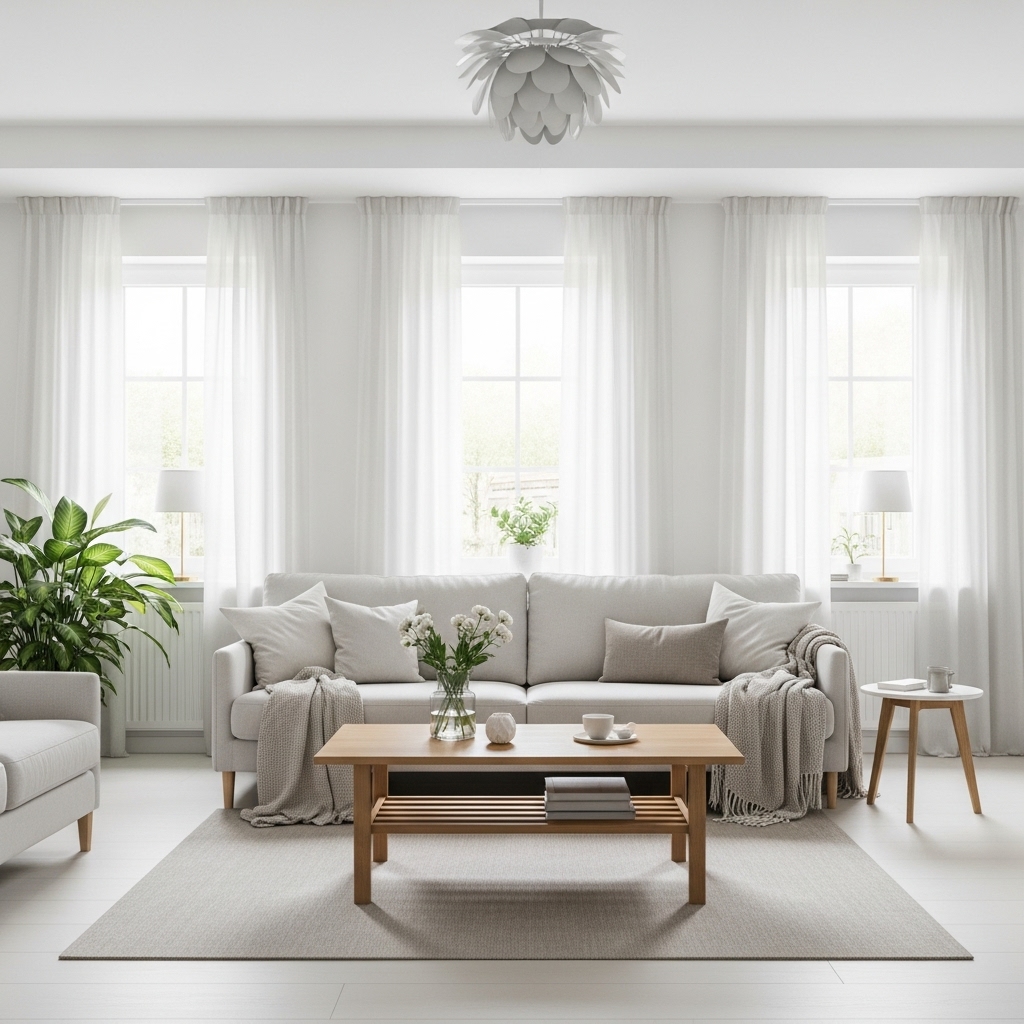
Natural light plays a huge role in minimalist design. Bright, sun-filled spaces naturally feel more open and peaceful. Avoid heavy curtains or dark window treatments that block light. Instead, opt for sheer curtains, light-filtering blinds, or leave windows uncovered when privacy allows.
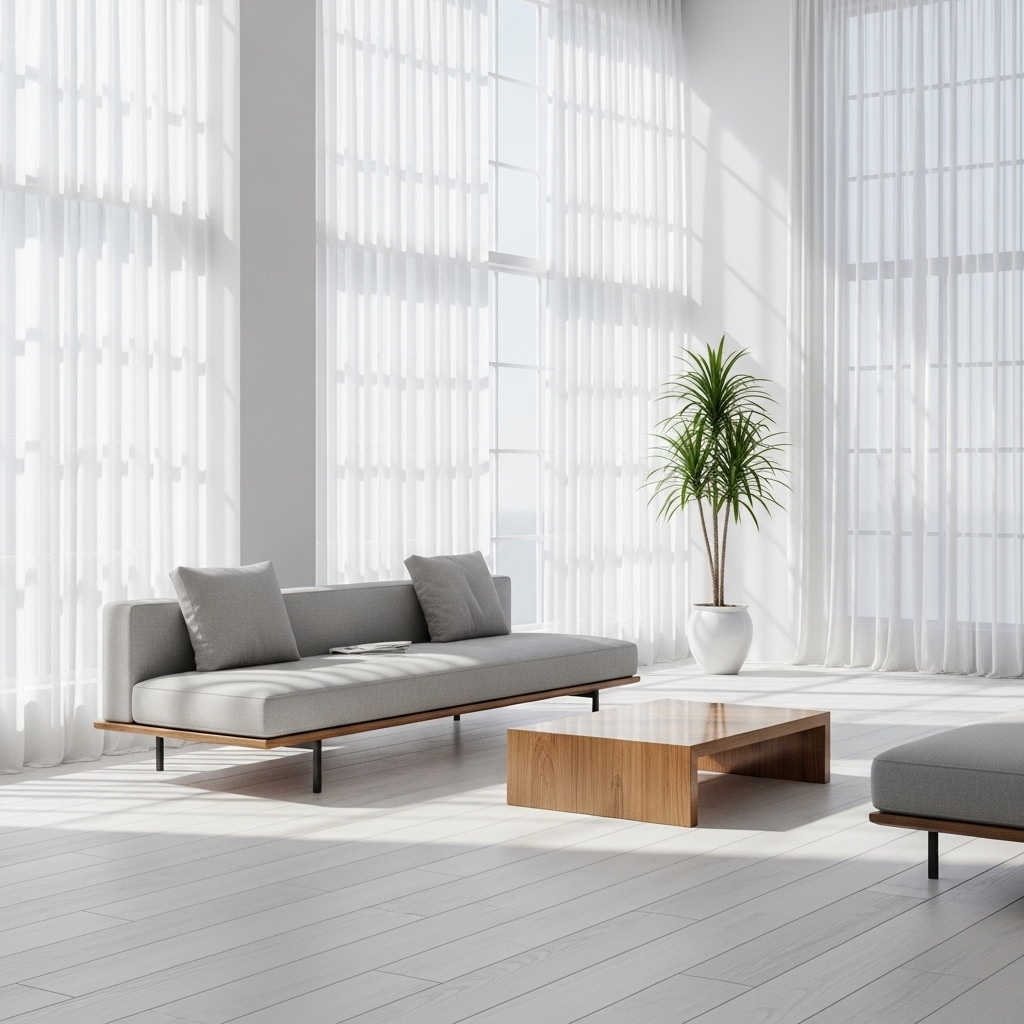
If your living room lacks natural light, enhance brightness with mirrors placed strategically across from windows. Mirrors reflect light and visually expand the space, reinforcing the minimalist aesthetic.
Add Warmth With Textures
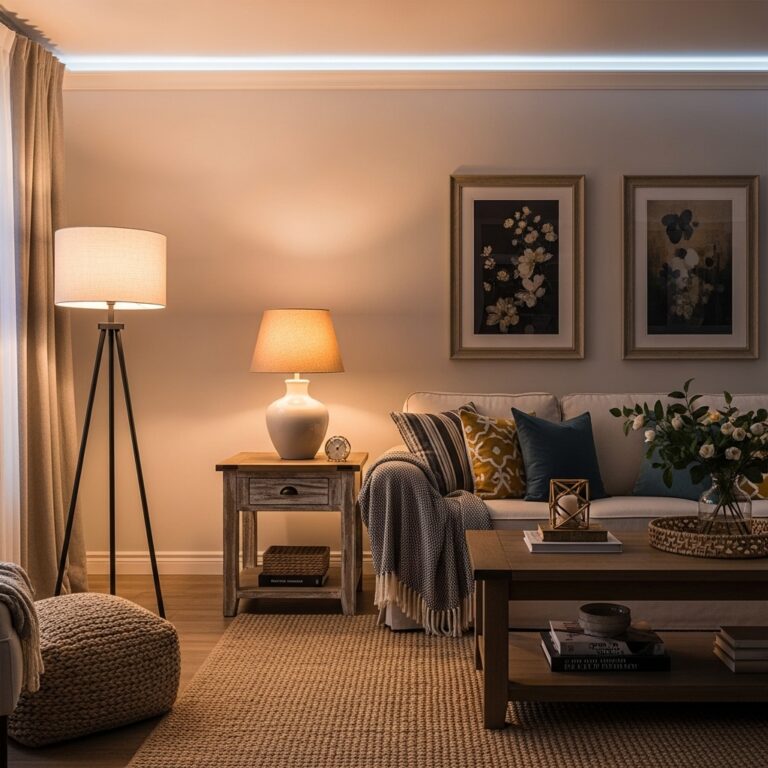
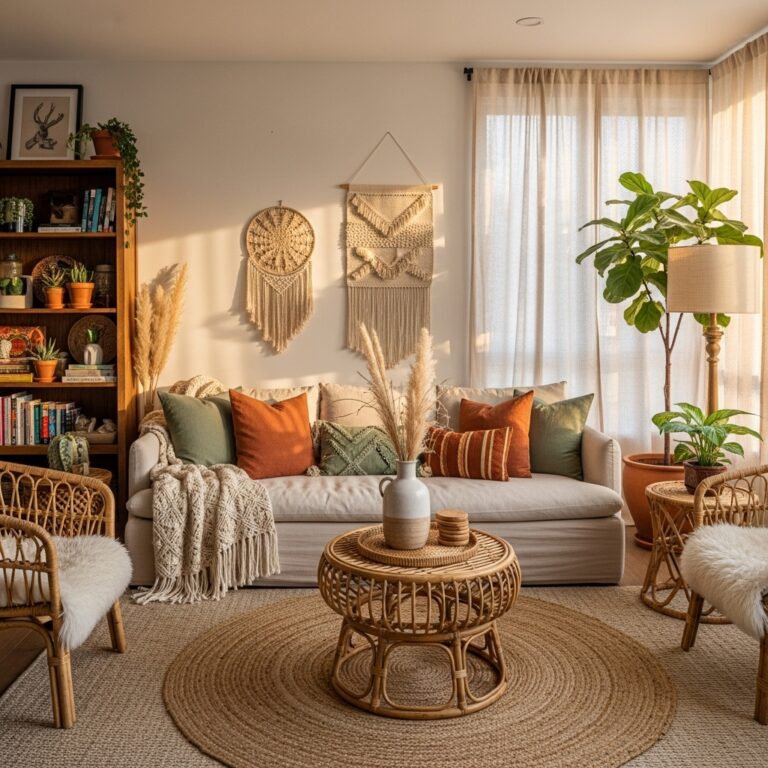
While minimalism is known for simplicity, texture is what makes the space feel inviting. Layering textures adds visual interest without adding clutter. Soft textiles like throw blankets, area rugs, and cushions help balance clean lines with comfort.
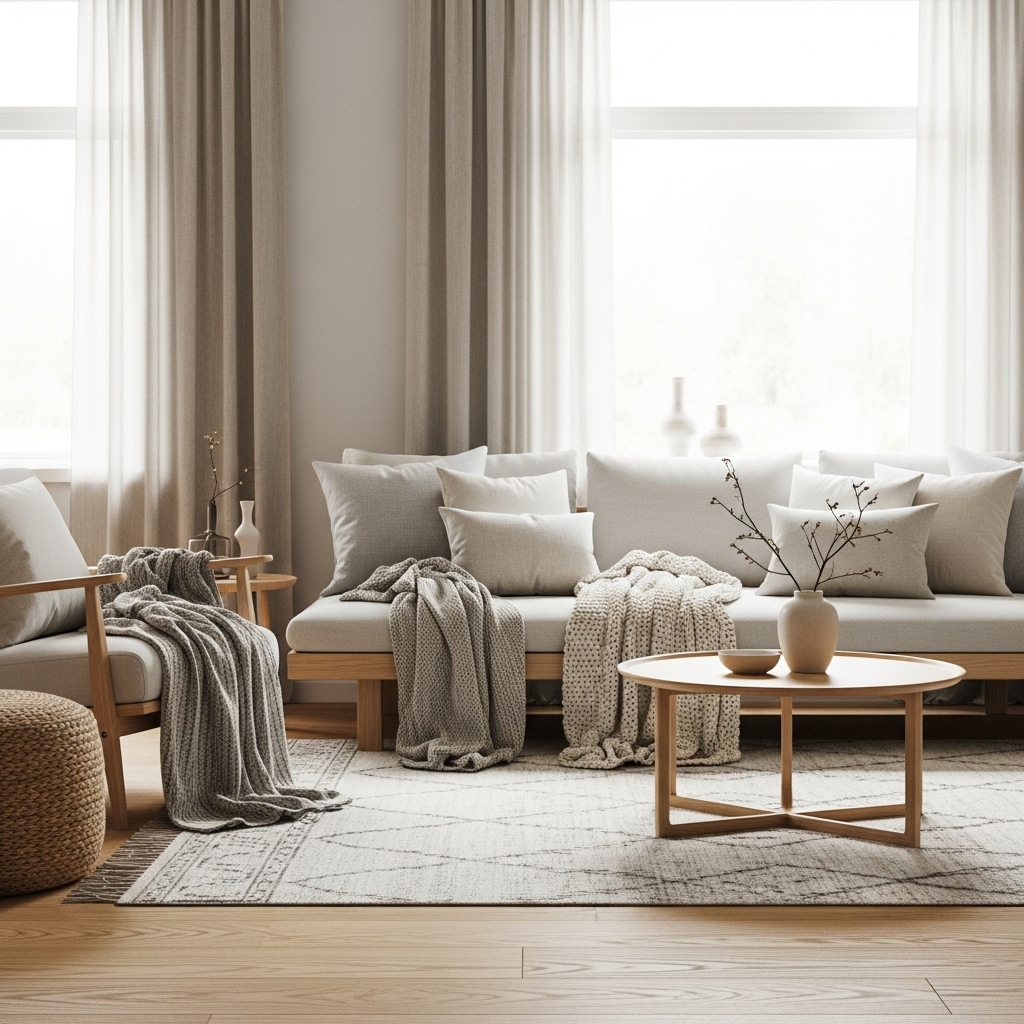
Choose natural fabrics such as cotton, wool, or linen in neutral tones. A textured rug under the seating area or a cozy throw on the sofa can instantly make the room feel warmer and more lived-in while staying true to minimalist principles.
Incorporate Greenery for a Fresh Touch
Plants are a perfect addition to minimalist living rooms. They introduce life, color, and freshness without overwhelming the space. A single large floor plant or a small potted plant on a coffee table can be enough to make the room feel vibrant.
Stick to simple planters in neutral colors or natural materials. Plants not only enhance aesthetics but also improve air quality, contributing to the overall sense of calm and cleanliness.
Maintain the Minimalist Lifestyle
Designing a minimalist living room is only the first step—maintaining it is just as important. Regularly reassess your space and remove items that no longer serve a purpose. Avoid impulse décor purchases and focus on quality over quantity.
Daily habits, such as returning items to their designated places and doing quick tidy-ups, help preserve the clean look. Over time, minimalism becomes less about design rules and more about a lifestyle that prioritizes ease and clarity.
Final Thoughts
Minimalist living room ideas for clean homes focus on creating spaces that feel calm, functional, and stylish without unnecessary excess. By choosing neutral colors, purposeful furniture, smart storage, and intentional décor, you can design a living room that supports both relaxation and everyday living.
Minimalism is not about perfection—it’s about simplicity that works for you. When done thoughtfully, a minimalist living room becomes a timeless, peaceful space where you can truly feel at home.