Open Shelf Kitchen Styling That Looks Clean: Smart, Minimal Ways to Style Open Shelves Without the Clutter

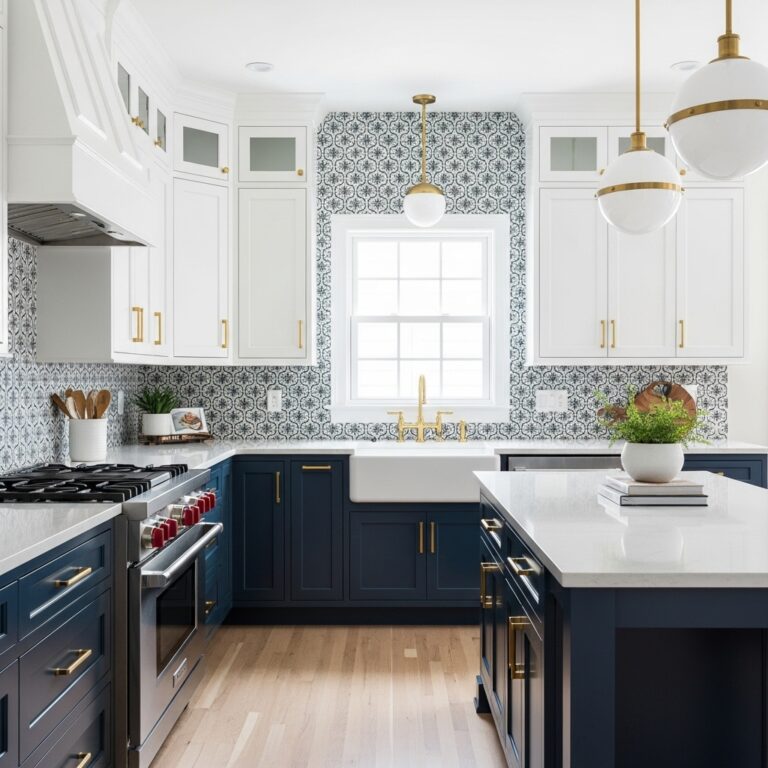
Open shelving has become one of the most talked-about kitchen design trends—and for good reason. It creates an airy feel, makes kitchens look larger, and allows homeowners to showcase personality through everyday items. However, the biggest fear most people have is this: won’t open shelves always look messy? The answer is no—when styled intentionally, open shelves can look clean, organized, and even more polished than traditional cabinets.
In this guide, you’ll learn practical, realistic strategies for Open Shelf Kitchen Styling That Looks Clean, without turning your kitchen into a showroom or a daily maintenance nightmare. Whether you’re working with a small apartment kitchen or a spacious modern home, these tips will help you strike the perfect balance between beauty and function.
Why Open Shelving Works in Modern Kitchens
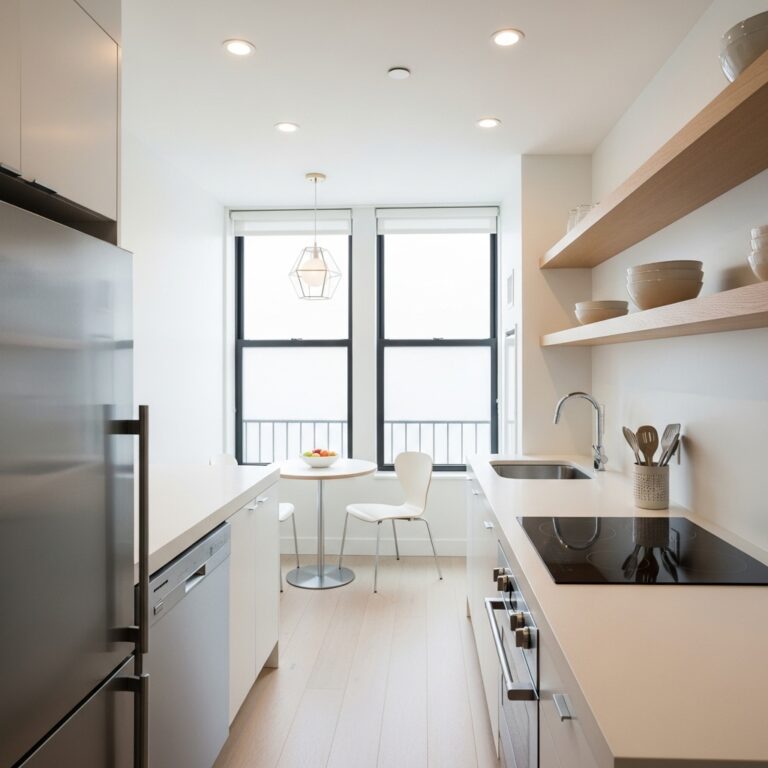
Open shelves aren’t just about aesthetics—they’re about accessibility and flow. Removing bulky upper cabinets visually opens up the kitchen, allowing light to bounce freely around the space. This is especially helpful in small or narrow kitchens where closed cabinetry can feel heavy Open Shelf Kitchen Styling That Looks Clean.
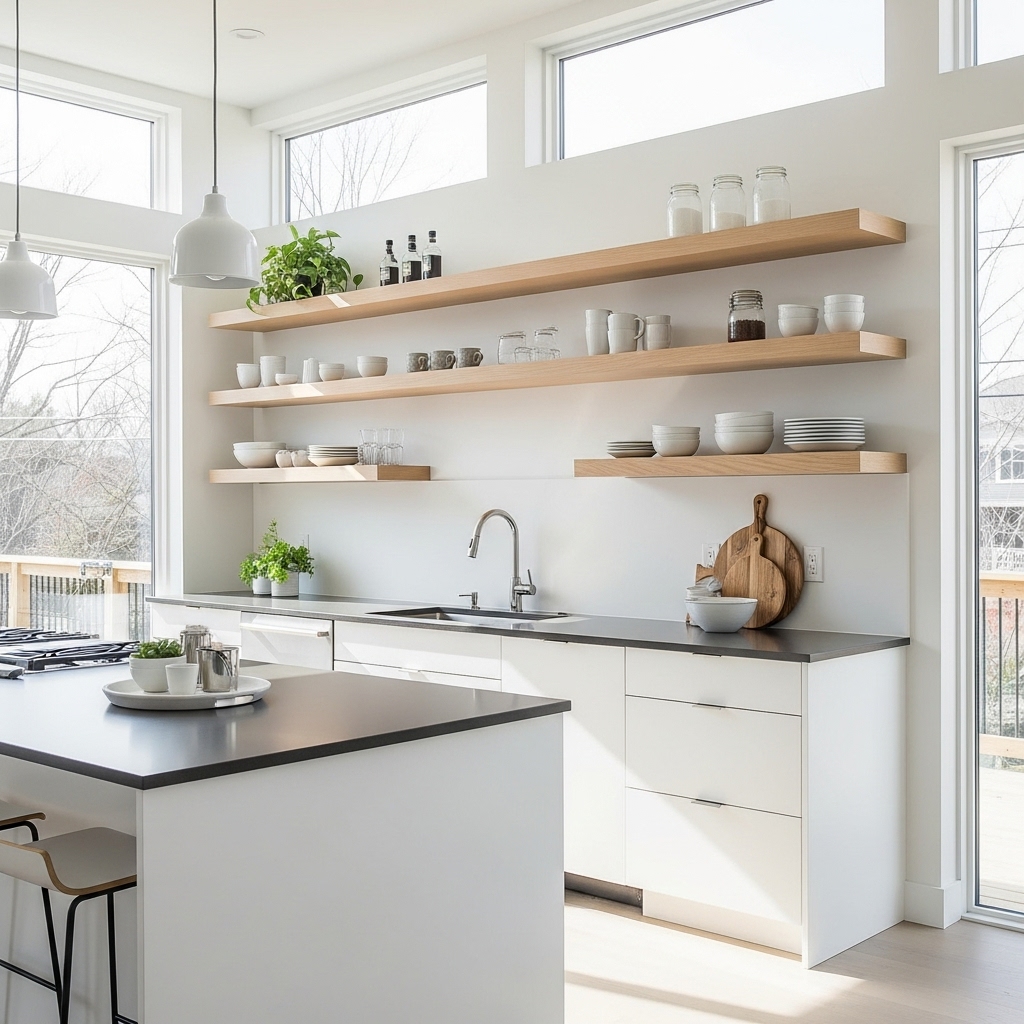
But the real success of open shelving lies in how it’s styled. A clean-looking open shelf kitchen is never accidental—it’s curated with purpose.
Start With a Neutral Color Palette
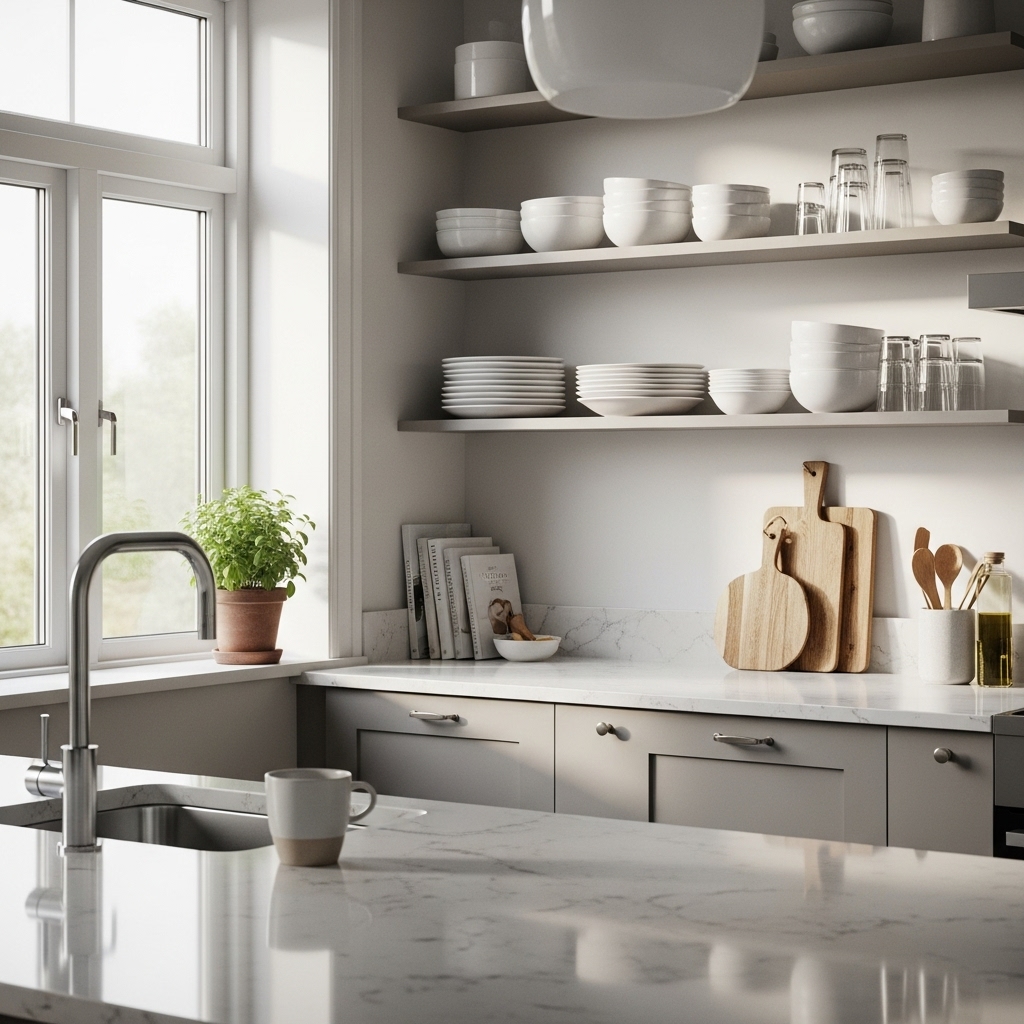
The foundation of a clean open-shelf kitchen is a cohesive color scheme. Neutral tones such as white, beige, soft gray, and warm wood instantly create visual calm Open Shelf Kitchen Styling That Looks Clean.
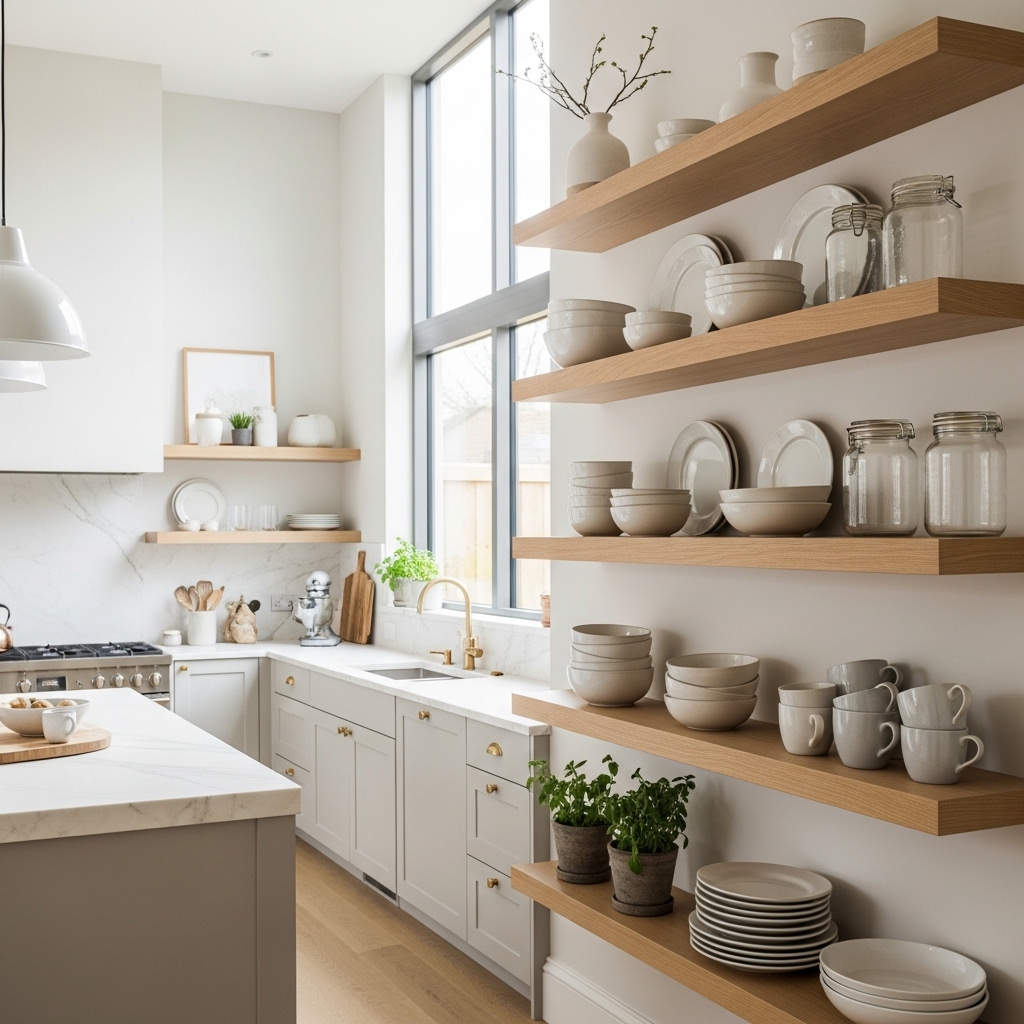
Choose dishware and containers in similar shades to avoid visual chaos. For example:
- White plates and bowls
- Clear glass jars
- Soft stoneware in muted tones
This doesn’t mean your kitchen has to feel boring. Texture can replace color—think matte ceramics, ribbed glass, or lightly speckled pottery.
Limit What You Display (Less Is Always More)
One of the most common mistakes with open shelving is overcrowding. Clean styling relies on negative space—the empty areas that let the eye rest Open Shelf Kitchen Styling That Looks Clean.
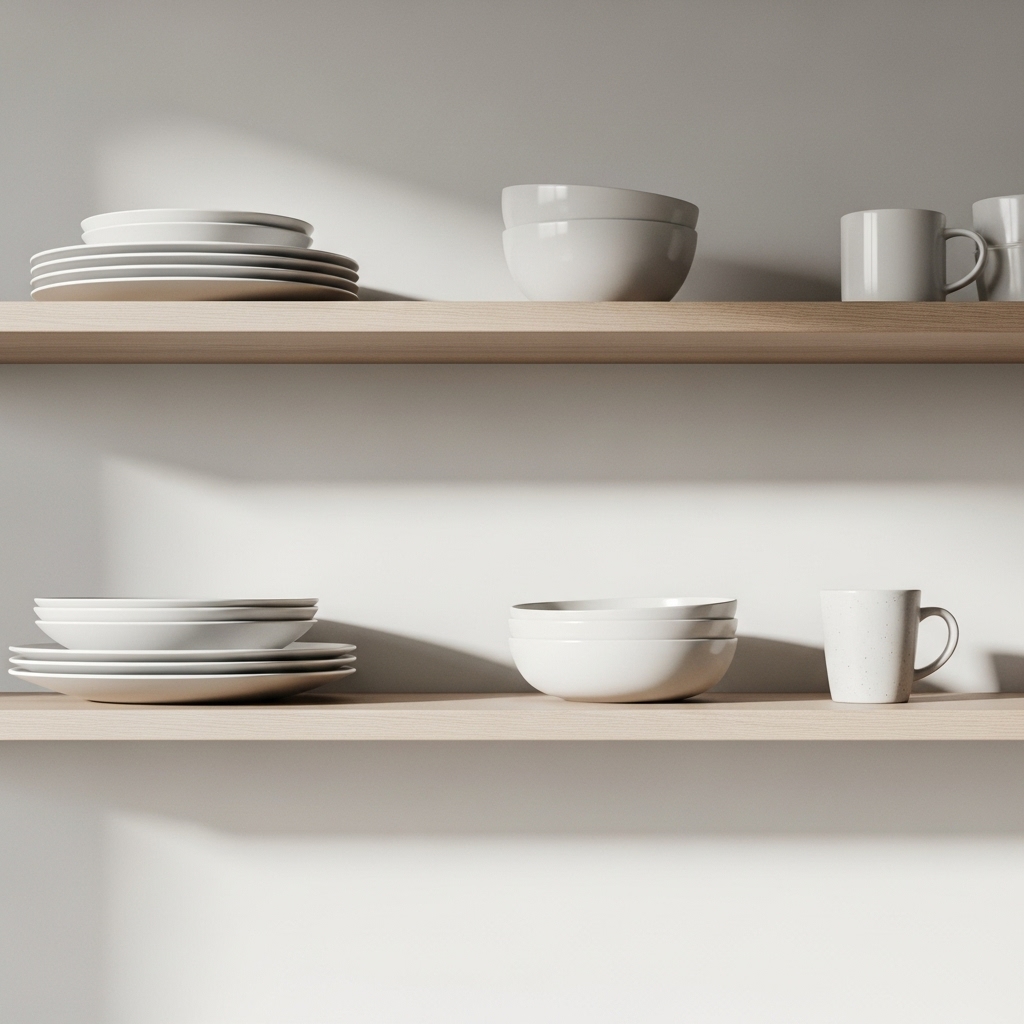
Instead of filling every inch:
- Leave small gaps between items
- Display only what you actually use
- Avoid stacking too many objects vertically
A good rule of thumb is to use only 70–80% of shelf space, leaving the rest open. This instantly makes the shelves feel intentional rather than cluttered Open Shelf Kitchen Styling That Looks Clean.
Use Matching Containers for Visual Order
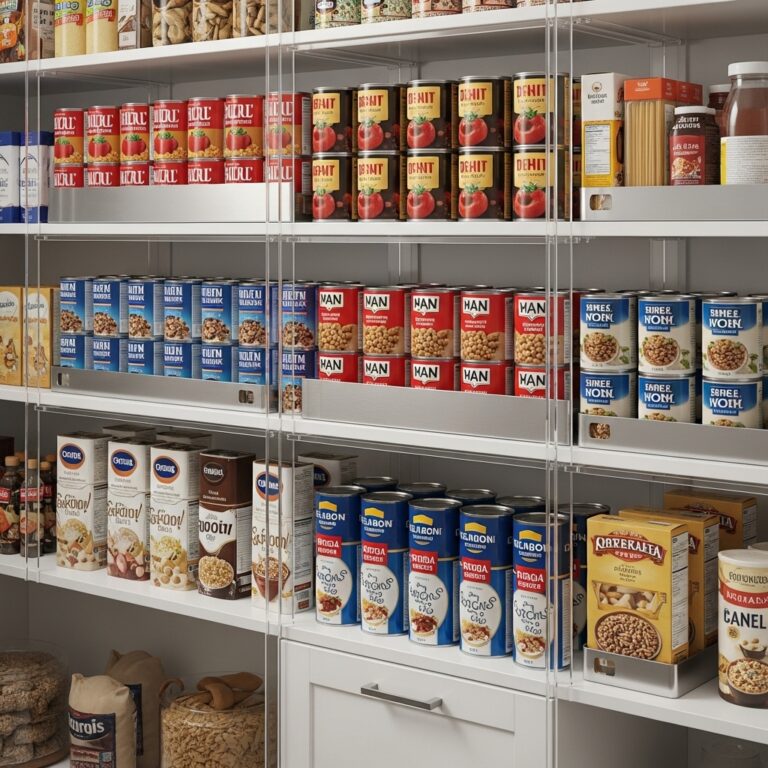
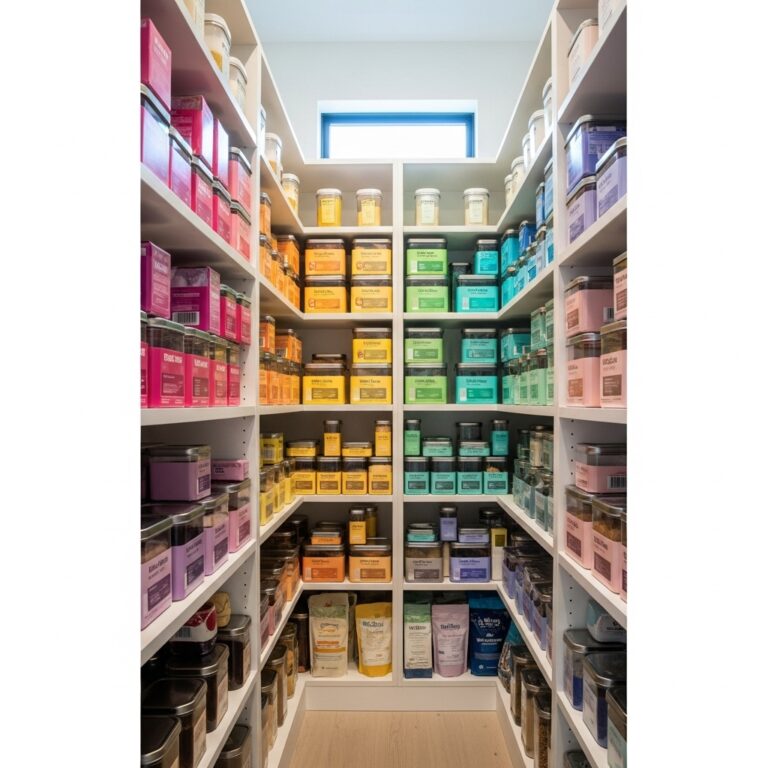
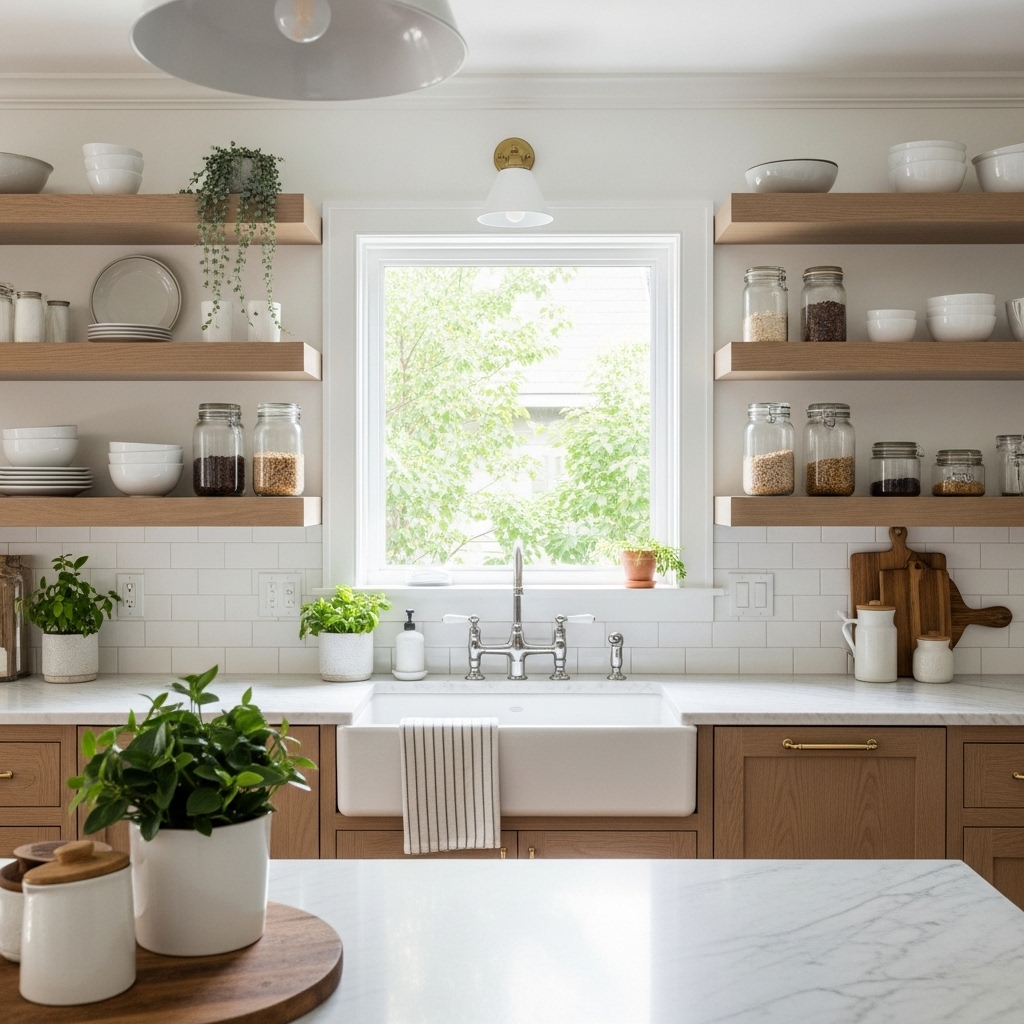
Uniformity is your best friend when styling open shelves. Matching jars, canisters, or containers create a sense of structure—even if they hold different items.
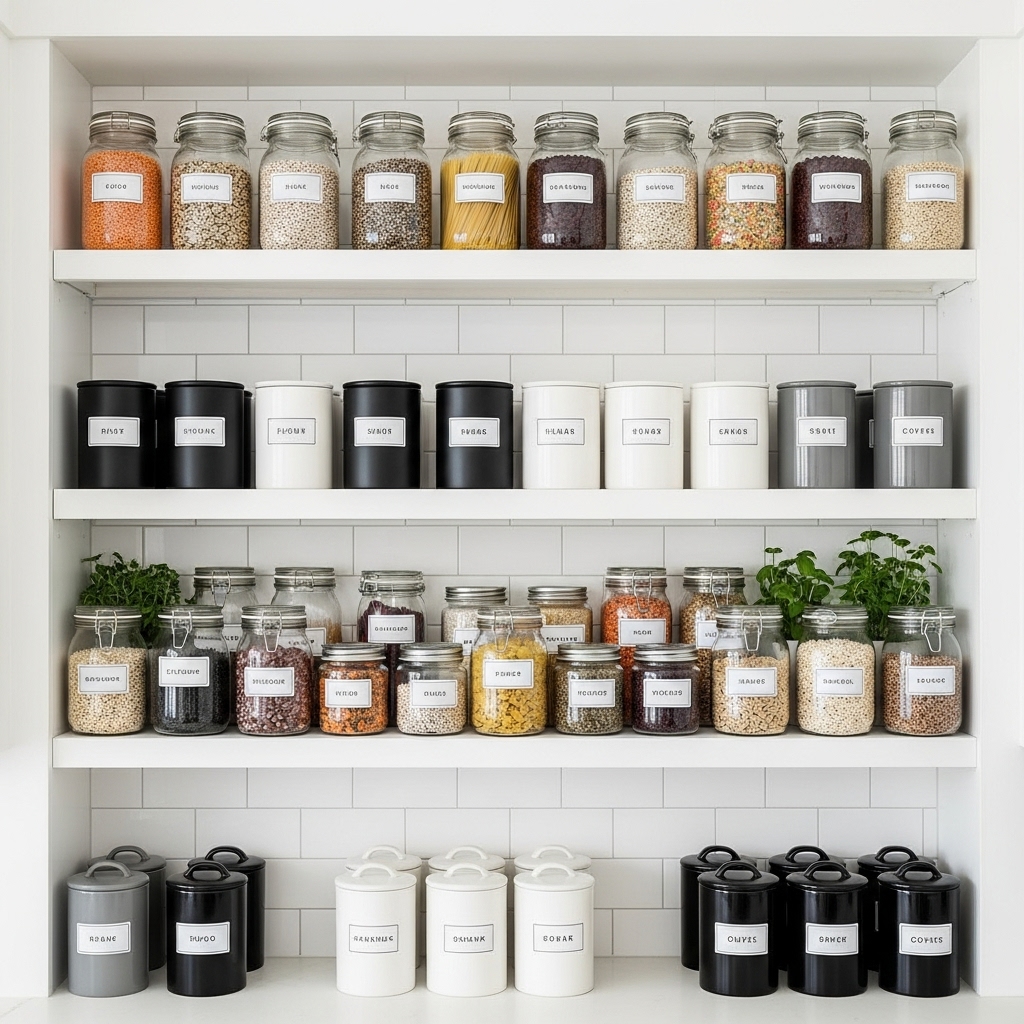
Ideas include:
- Clear glass jars for dry goods
- Matching ceramic canisters for coffee, sugar, and tea
- Coordinated spice jars with simple labels
When items look similar in shape and size, the shelf feels organized—even when it’s full.
Group Items in Odd Numbers
Professional stylists often use the rule of odd numbers because it feels more natural to the eye. Grouping items in threes or fives adds balance without rigidity.
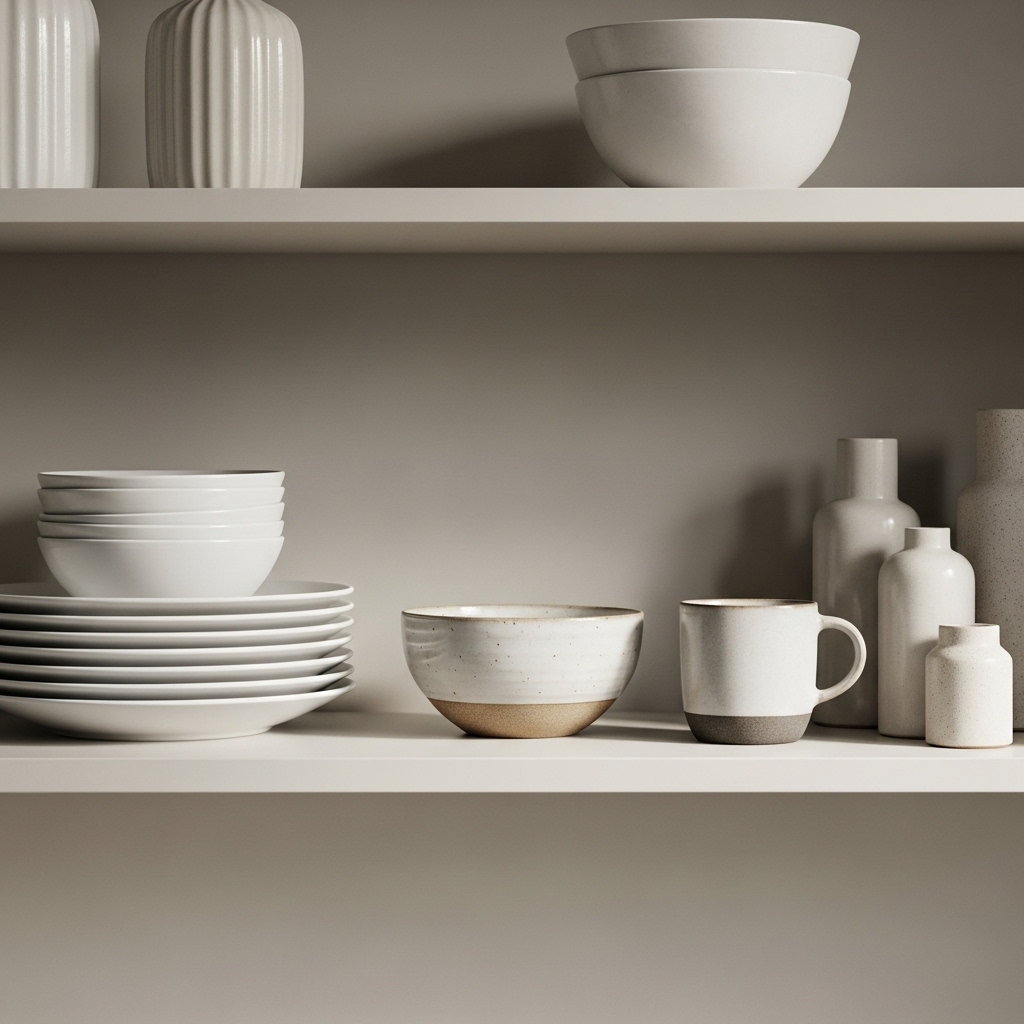
For example:
- A stack of plates + a small bowl + a mug
- A jar of grains + a cutting board + a small plant
These groupings create visual rhythm while keeping the shelf clean and intentional.
Keep Everyday Items Practical
One secret to maintaining clean open shelves is only displaying items you actually use. Decorative items that serve no purpose tend to collect dust and feel unnecessary over time.
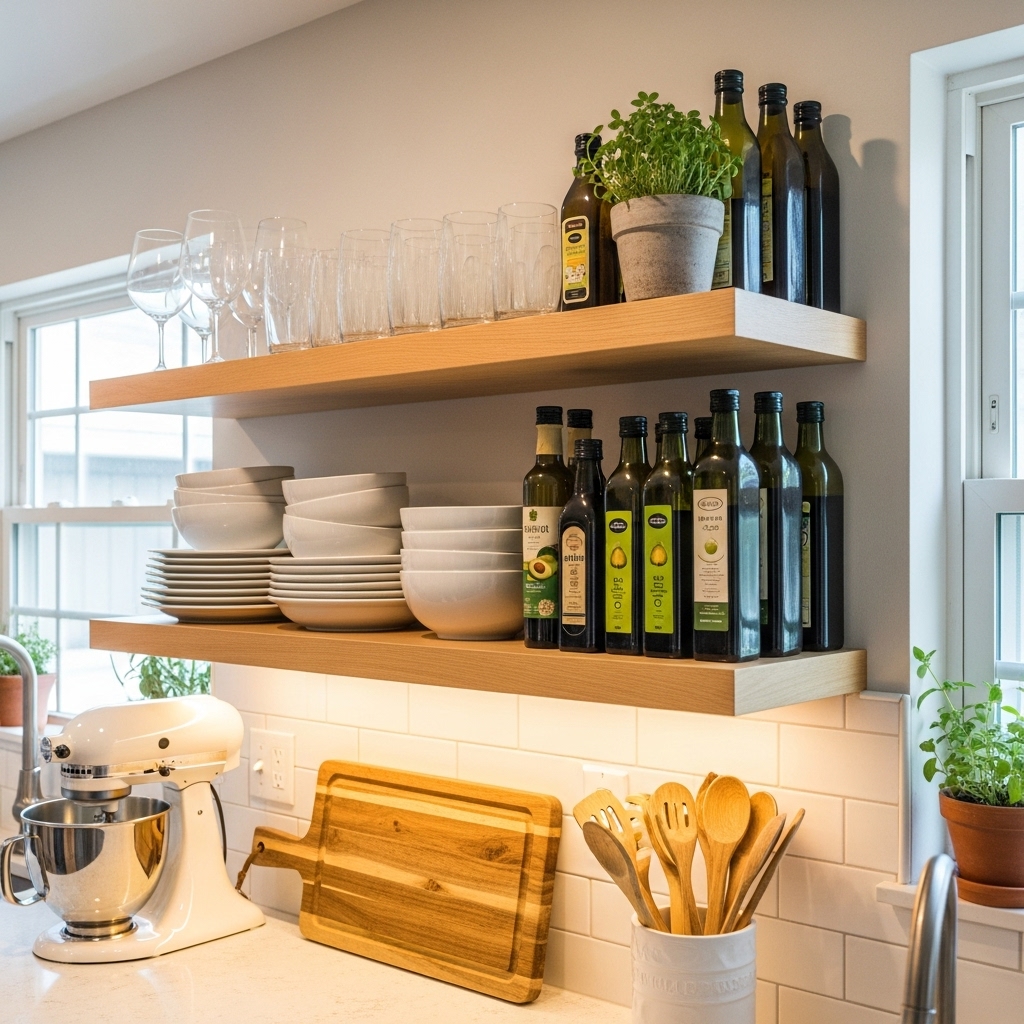
Ideal shelf items include:
- Plates, bowls, and mugs
- Frequently used glasses
- Cooking oils in glass bottles
- Everyday cookware like mixing bowls
When shelves support daily routines, they naturally stay organized.
Add Warmth With Natural Materials
A kitchen that looks clean doesn’t have to feel cold. Wood, stone, and natural fibers soften the look and prevent open shelves from feeling sterile.
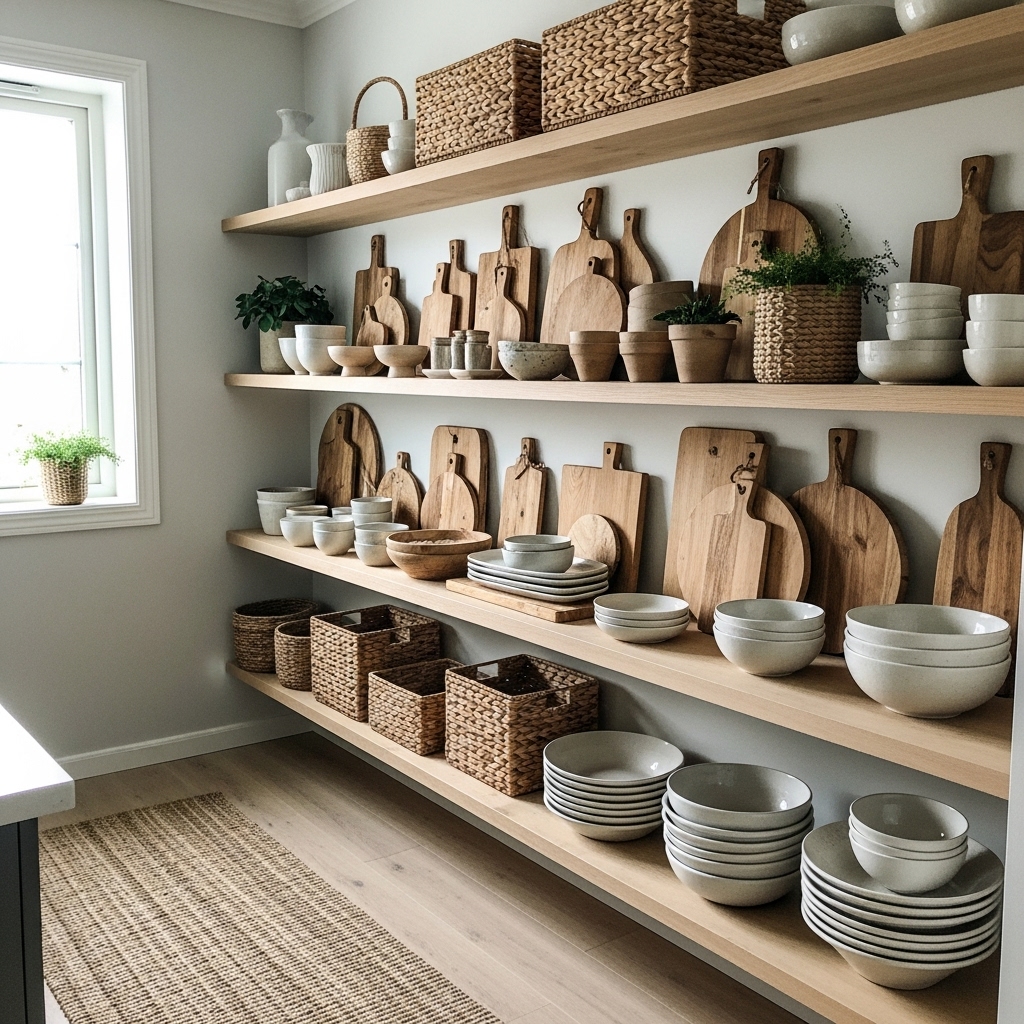
Incorporate:
- Wooden cutting boards leaned against the wall
- Woven baskets for linens
- Marble or stone accessories
These materials add warmth without adding visual clutter.
Use Greenery Sparingly
Plants bring life to open shelving, but too many can overwhelm the space. Stick to one small plant per shelf—or even every other shelf.
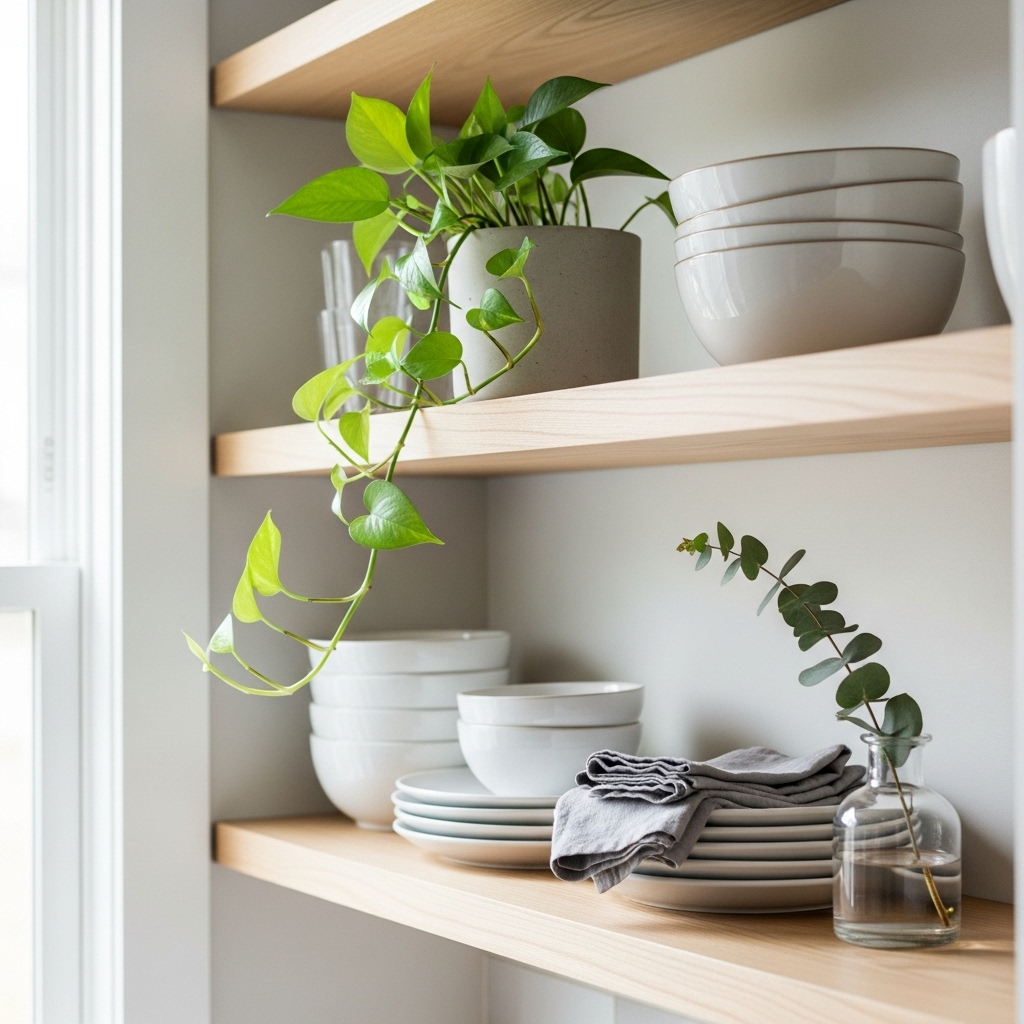
Best plant choices:
- Trailing pothos
- Small herbs like rosemary or basil
- Minimal faux greenery if lighting is limited
Greenery works best as an accent, not the focal point.
Stick to Consistent Shelf Spacing
Clean design is often about symmetry. Even spacing between shelves creates a calm, architectural look.
When shelves are uneven or overcrowded vertically, the kitchen can feel chaotic. If possible:
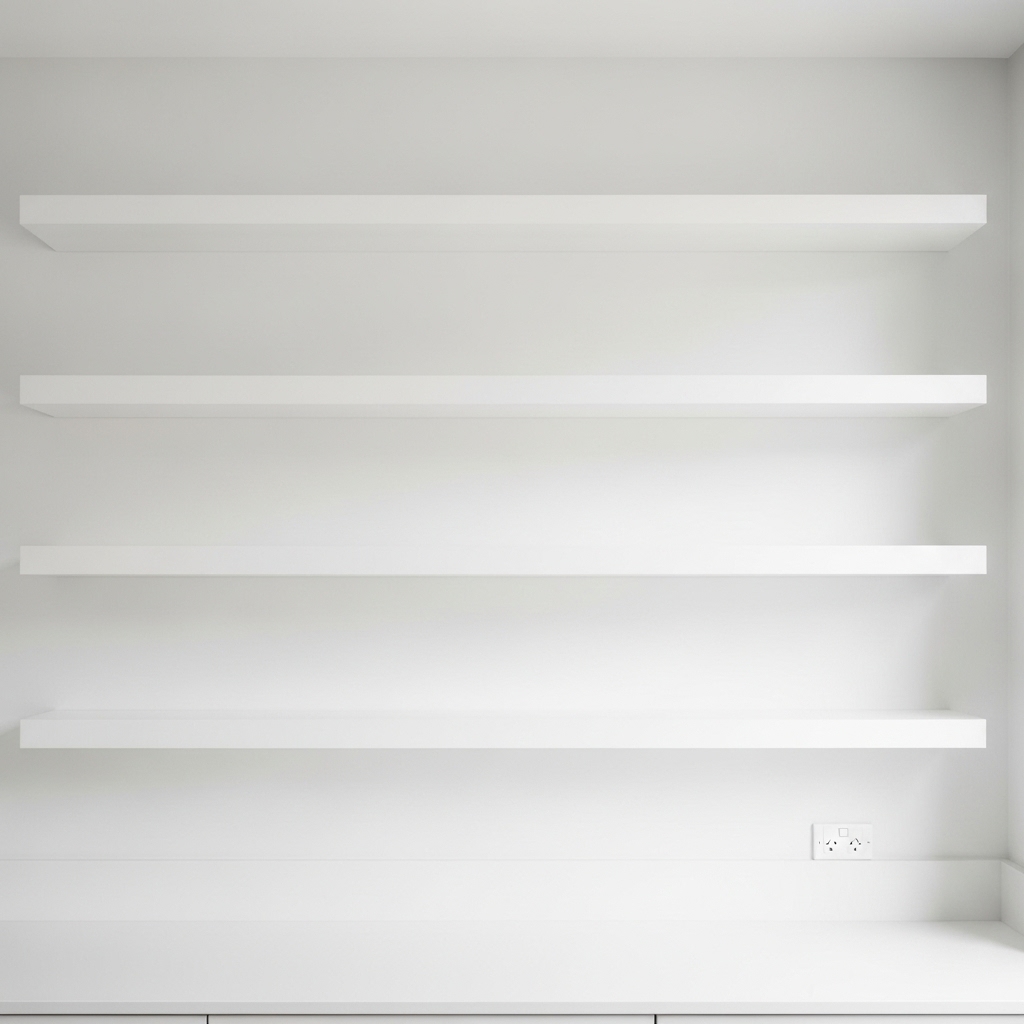
- Keep equal distance between shelves
- Avoid mixing shelf depths
- Align shelves with windows or cabinets nearby
Consistency reinforces visual order.
Hide the Not-So-Pretty Items Elsewhere
Not everything belongs on display—and that’s okay. Plastic containers, mismatched mugs, or bulky appliances are better stored in lower cabinets or drawers.
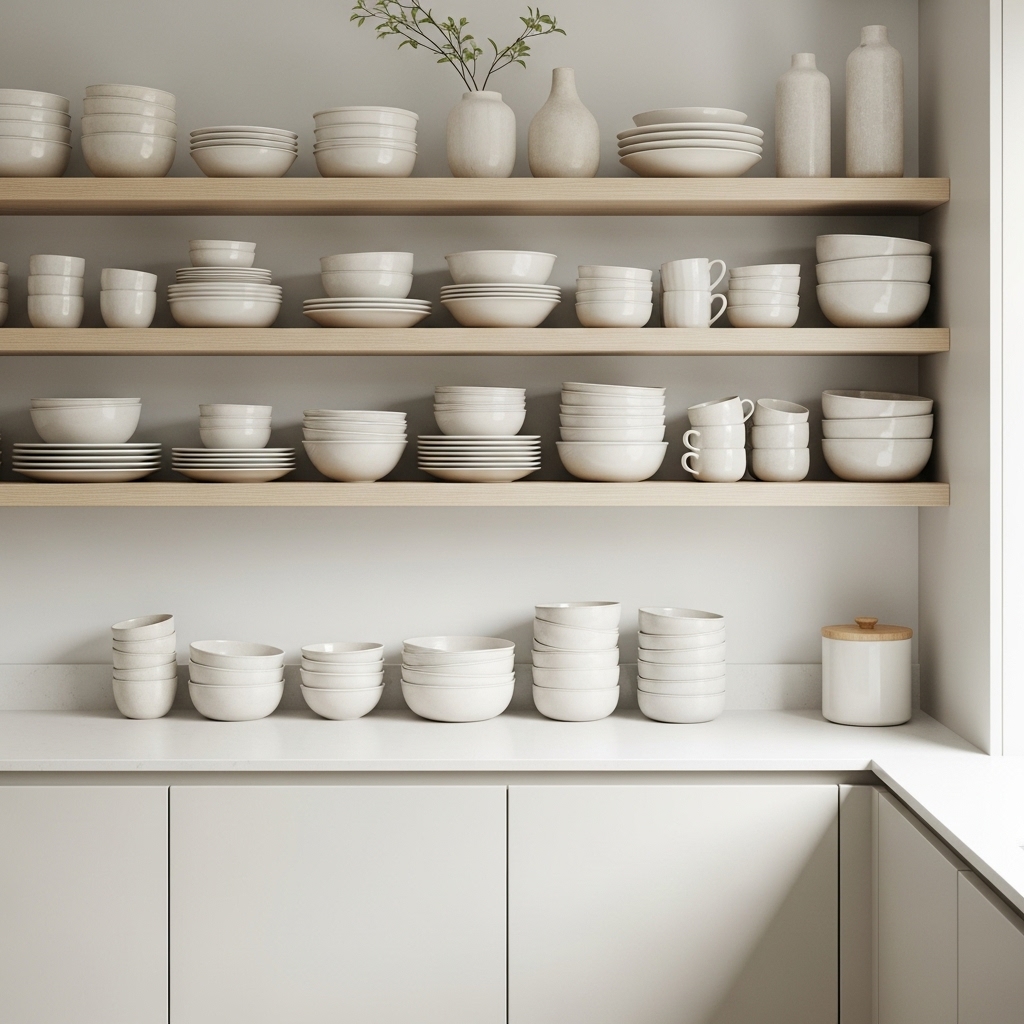
Reserve open shelves for:
- Visually pleasing items
- Neutral-colored essentials
- Items you don’t mind seeing every day
This selective approach is key to maintaining a clean aesthetic long-term.
Maintain With Simple Daily Habits
Even the best-styled open shelves need maintenance. The good news? It doesn’t have to be time-consuming.
Easy habits include:
- Returning items to the same spot
- Wiping shelves weekly
- Editing items seasonally
Think of open shelves as a “living design”—small adjustments keep them looking fresh and uncluttered.
Final Thoughts
Open shelving doesn’t have to mean constant mess or visual overload. With thoughtful choices, neutral tones, and intentional spacing, Open Shelf Kitchen Styling That Looks Clean is not only achievable—it’s practical for everyday living.
The key is restraint. When you focus on simplicity, functionality, and cohesion, open shelves can elevate your kitchen into a space that feels modern, inviting, and effortlessly organized.
If you’re dreaming of a kitchen that feels light, stylish, and easy to maintain, open shelving—done right—might be exactly what your space needs.