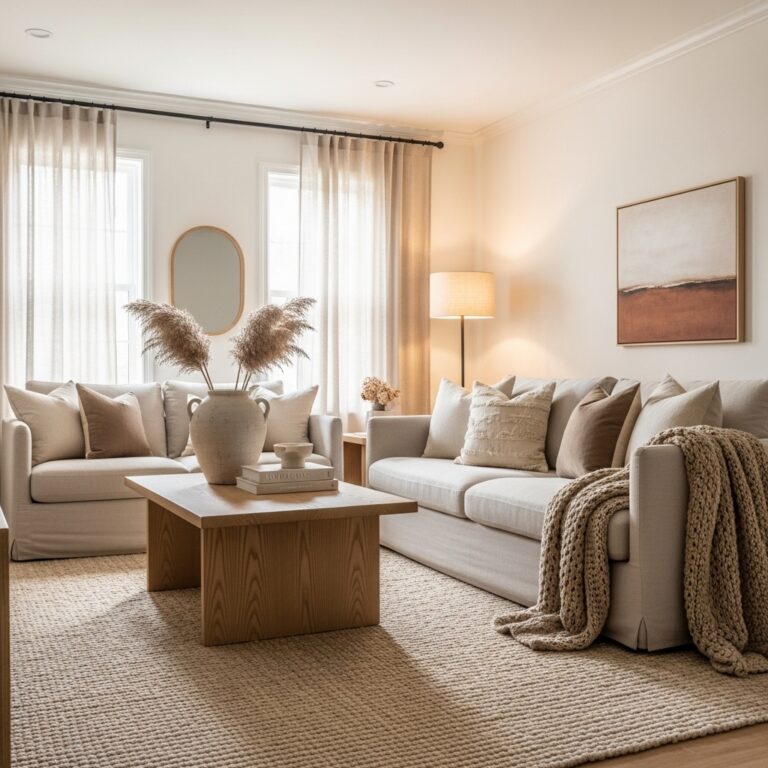
Textured Living Room Decor Ideas Everyone Loves: Cozy, Stylish Ways to Add Depth & Warmth
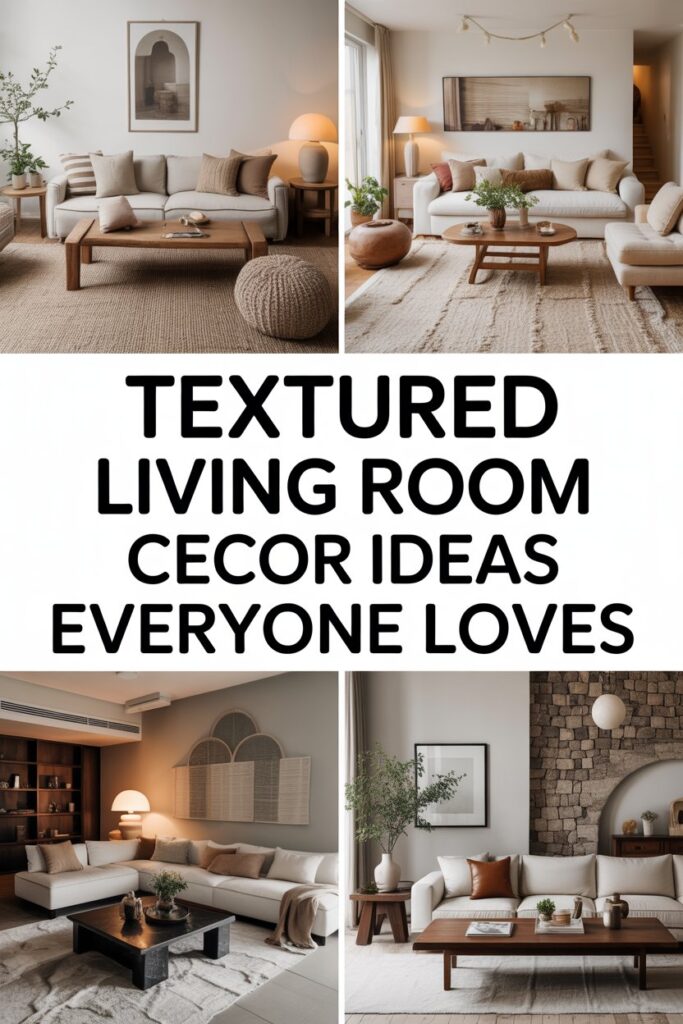
A living room should feel inviting the moment you step inside. While color and furniture often get the most attention, texture is the secret ingredient that makes a space feel layered, cozy, and visually rich. Even the most neutral or minimalist living room can come alive with the right mix of textures.
From soft fabrics and natural materials to subtle architectural details, texture adds warmth without overwhelming the space. In this guide, we’ll explore Textured Living Room Decor Ideas Everyone Loves, showing you how to create a room that feels both stylish and comfortable—no major renovation required.
Why Texture Matters in Living Room Design
Texture brings dimension. Without it, a living room can feel flat, cold, or unfinished—even if the furniture is beautiful. Texture engages the senses and creates contrast, especially in rooms with neutral or monochromatic color palettes Textured Living Room Decor Ideas.
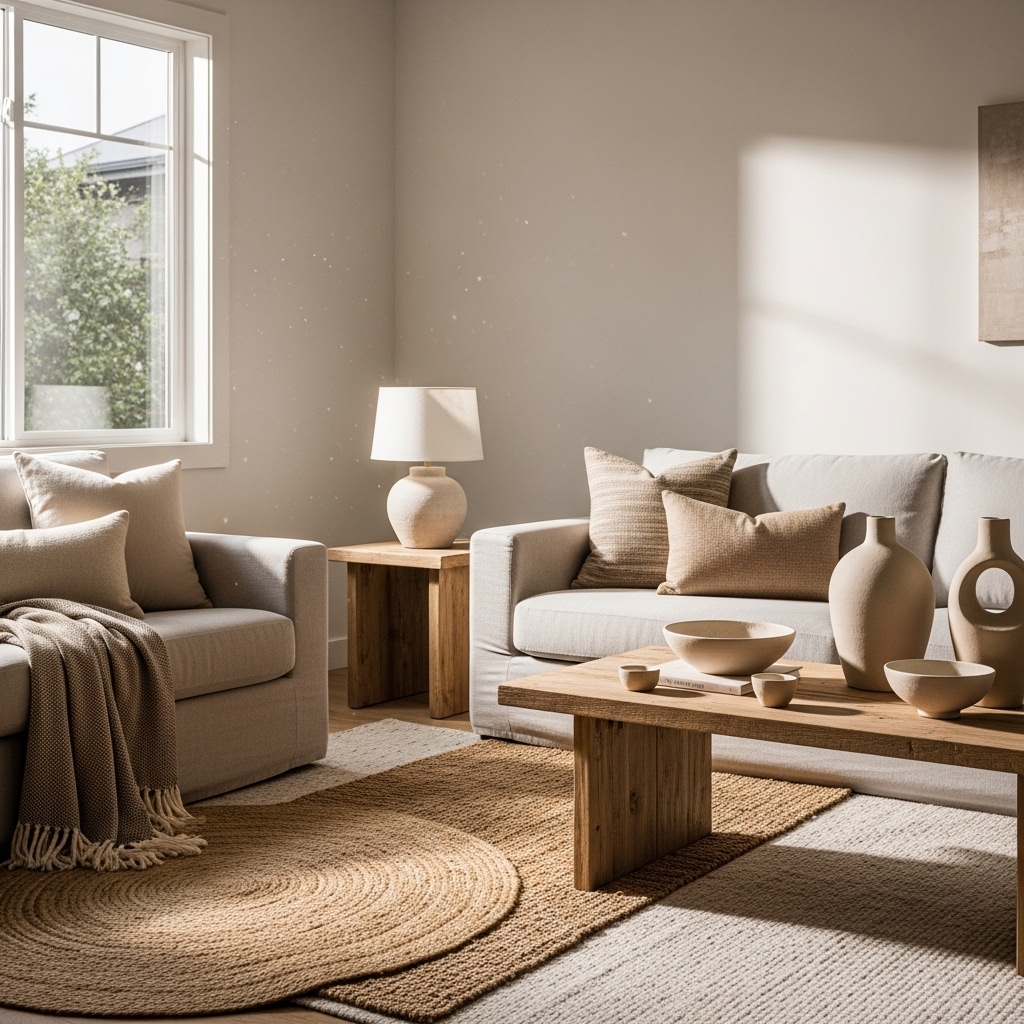
By combining rough with smooth, soft with structured, and matte with glossy, you create balance. Texture also helps a room feel more “lived-in,” which is why it’s such a staple in cozy, modern, and designer-inspired spaces.
Layer Soft Textiles for Instant Comfort
One of the easiest ways to add texture is through textiles. Soft layers immediately make a living room feel warmer and more welcoming Textured Living Room Decor Ideas.

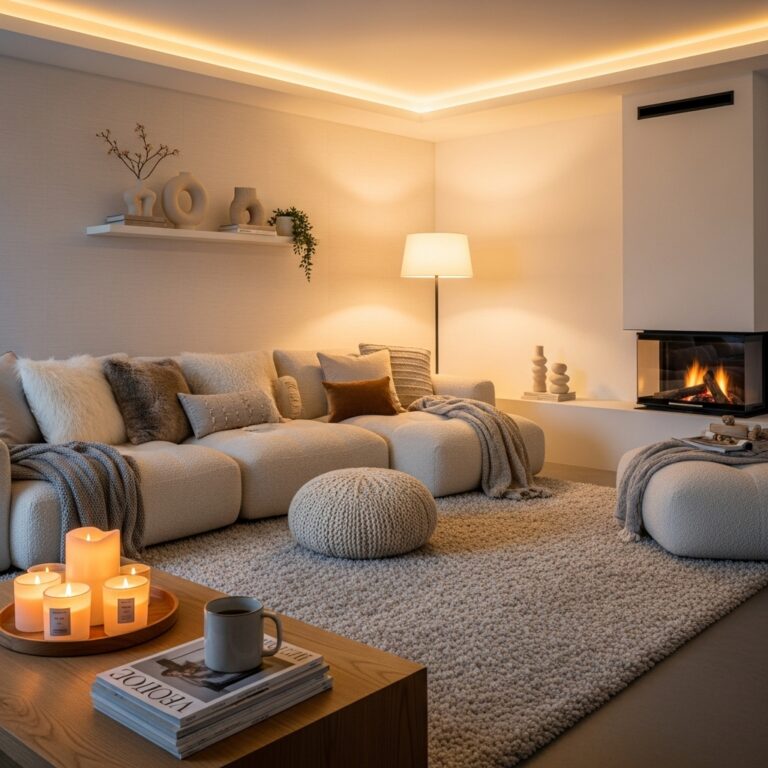
Start with throw pillows in varied fabrics such as linen, boucle, velvet, or woven cotton. Mixing materials rather than patterns keeps the look elevated and cohesive. A chunky knit or faux fur throw draped over the sofa adds both texture and function.
Area rugs are another powerful tool. Even if you already have carpet, layering a textured rug—like jute, wool, or shag—creates depth and defines the seating area Textured Living Room Decor Ideas.
Bring in Natural Materials for Organic Warmth
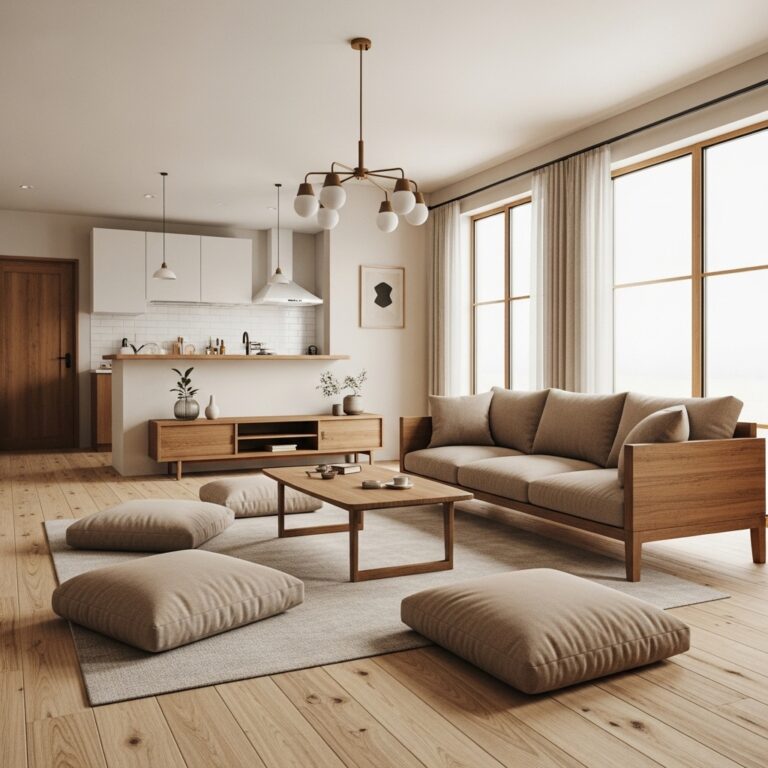
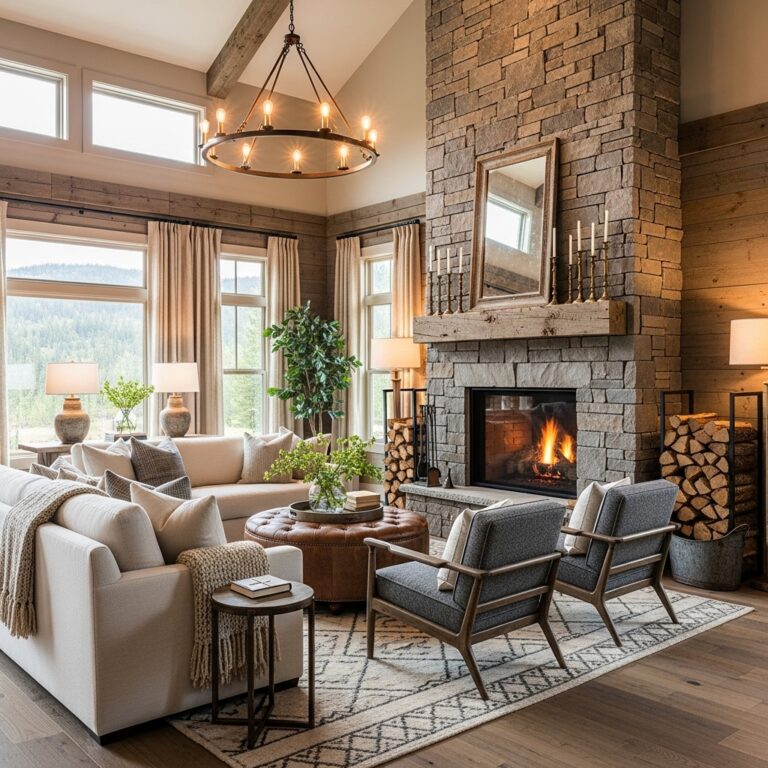
Natural materials are timeless and loved for a reason. Wood, stone, rattan, leather, and clay add organic texture that grounds the space.
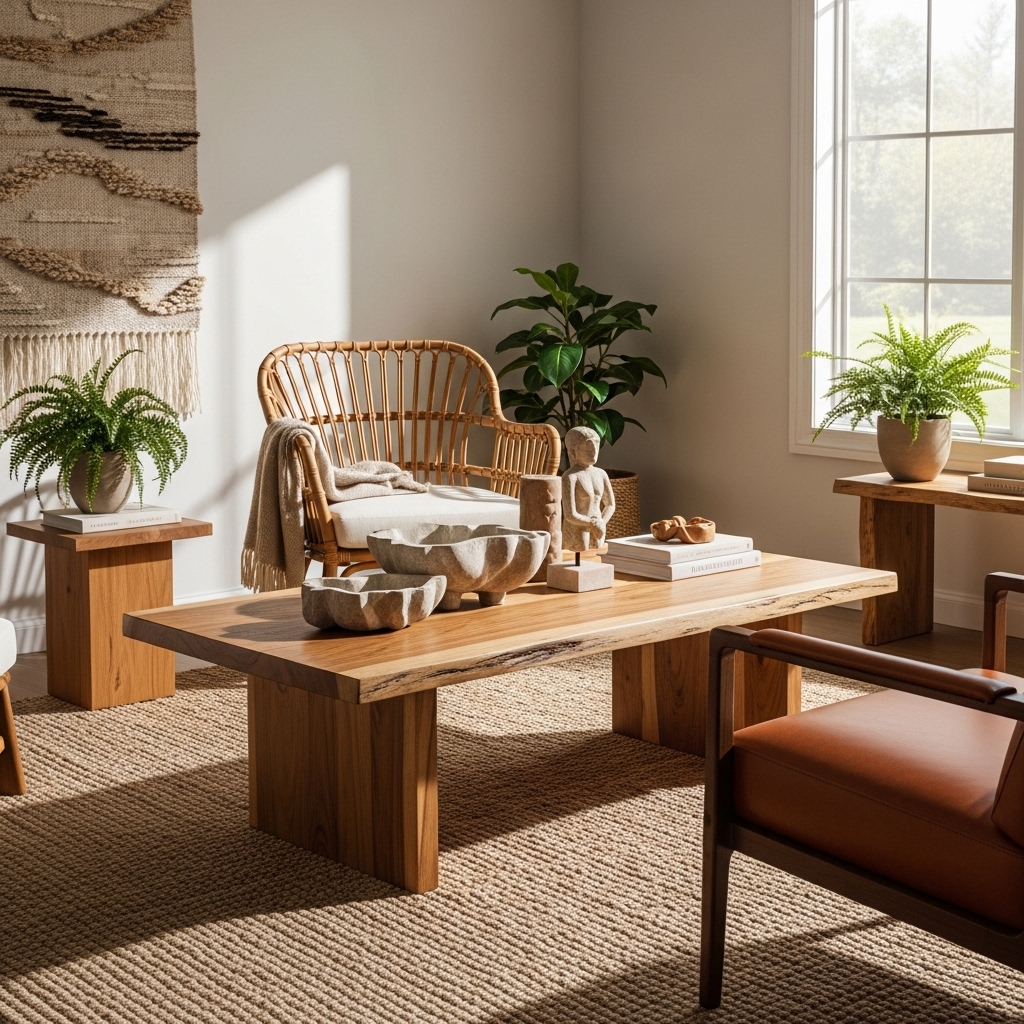
A wooden coffee table with visible grain, a stone side table, or a leather accent chair instantly elevates the room. Woven baskets, rattan trays, or bamboo décor pieces add subtle texture while keeping the space relaxed and approachable.
These materials work especially well in modern, rustic, boho, and Scandinavian-style living rooms, but they blend beautifully into almost any design style.
Use Textured Walls to Make a Statement
Walls are often overlooked when it comes to texture, but they offer incredible design potential.

Textured wall treatments such as limewash paint, plaster finishes, wood paneling, or subtle wall molding can transform a living room. Even a single accent wall can add depth without overpowering the space.
If permanent changes aren’t an option, try removable textured wallpaper or large-scale fabric wall hangings. These options allow you to experiment with texture while staying renter-friendly.
Mix Smooth and Rough Finishes for Balance
A well-designed living room balances contrasting textures. Smooth surfaces like glass, metal, or polished stone look even better when paired with rough or tactile elements.
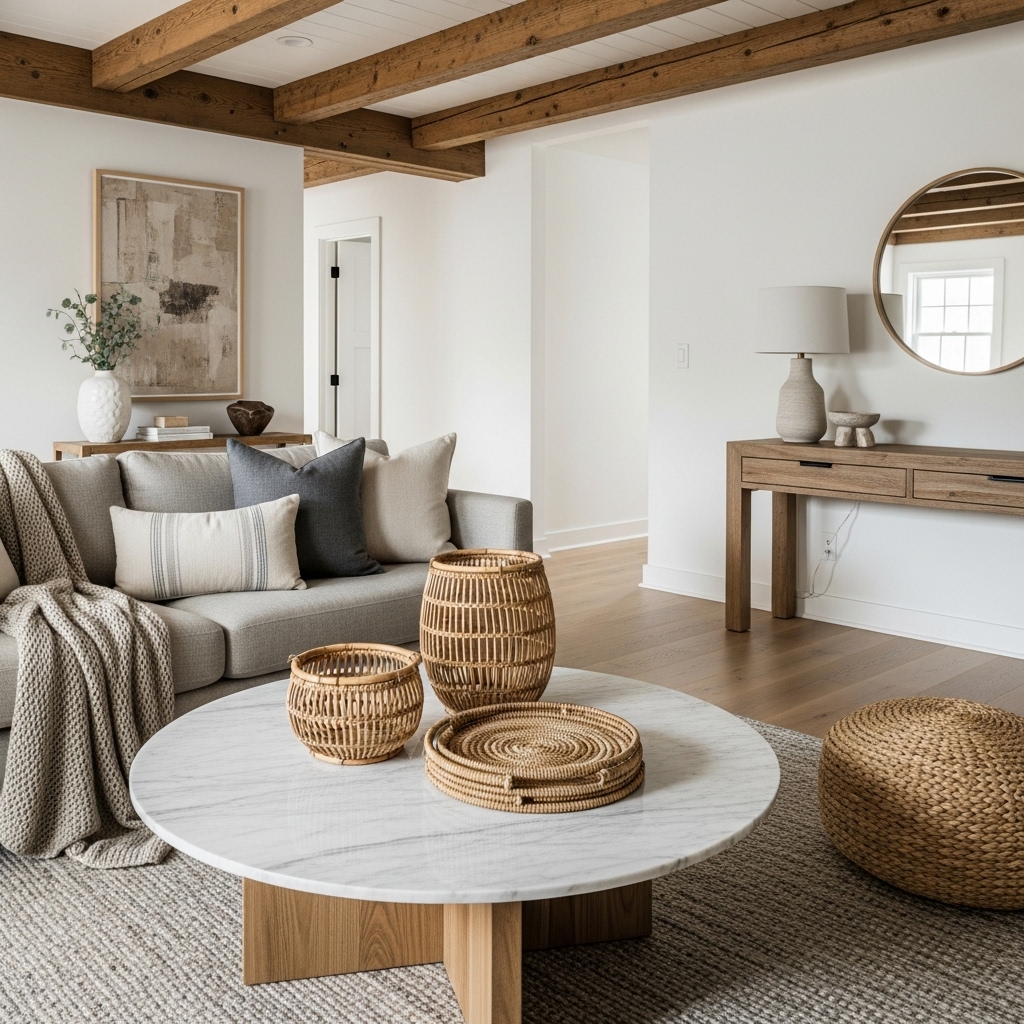
For example, a sleek marble coffee table feels warmer when styled with a woven tray or ceramic vase. A metal floor lamp looks softer next to a plush sofa or wool rug. These contrasts keep the room visually interesting and prevent it from feeling too uniform.
Add Depth with Layered Window Treatments
Curtains are more than just functional—they’re a major texture opportunity. Floor-length curtains in linen, cotton, or velvet soften hard edges and add elegance.
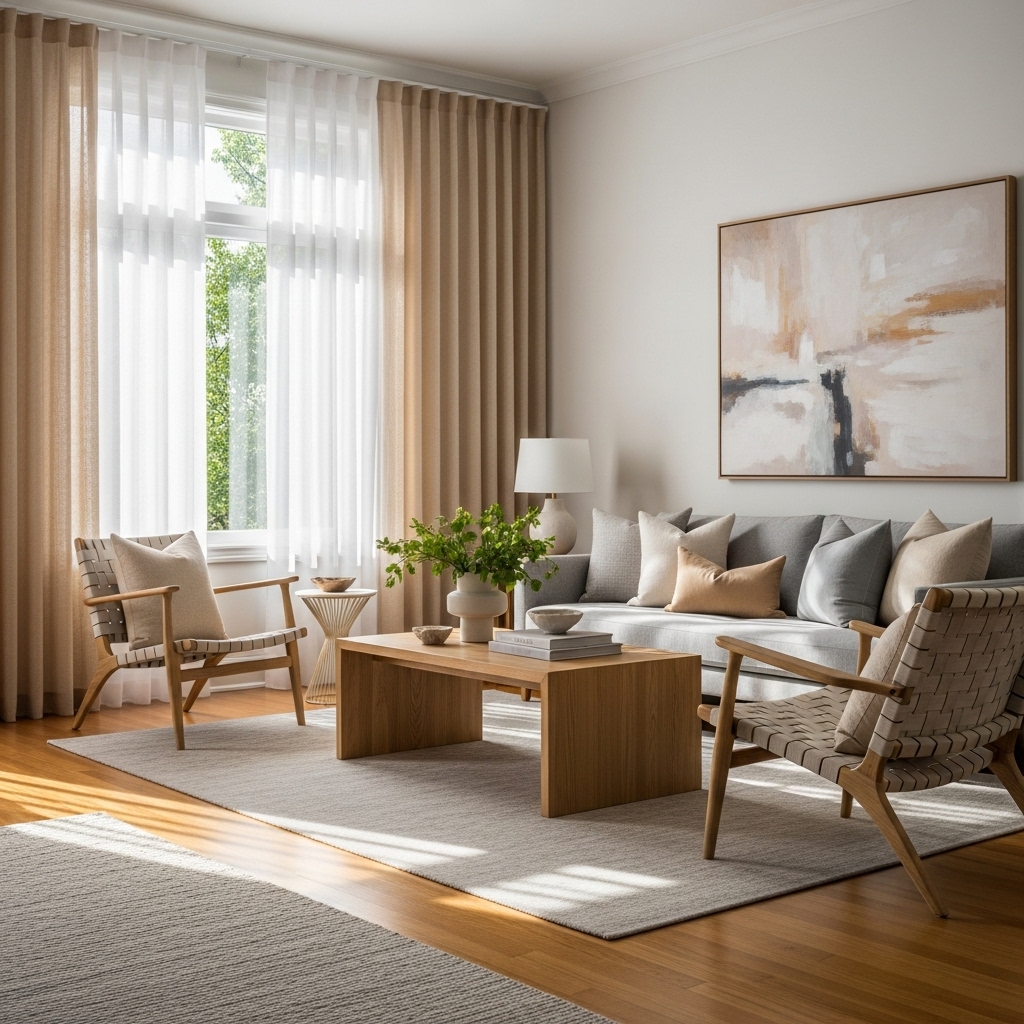
For extra dimension, layer sheer curtains underneath heavier drapes. This creates visual depth while allowing flexibility with light and privacy. Neutral tones work beautifully here, letting the texture shine without competing with other décor elements.
Incorporate Plants for Natural Texture and Life
Plants add one of the most loved textures in interior design: natural greenery. The contrast between soft leaves and structured furniture creates an effortless, fresh feel.
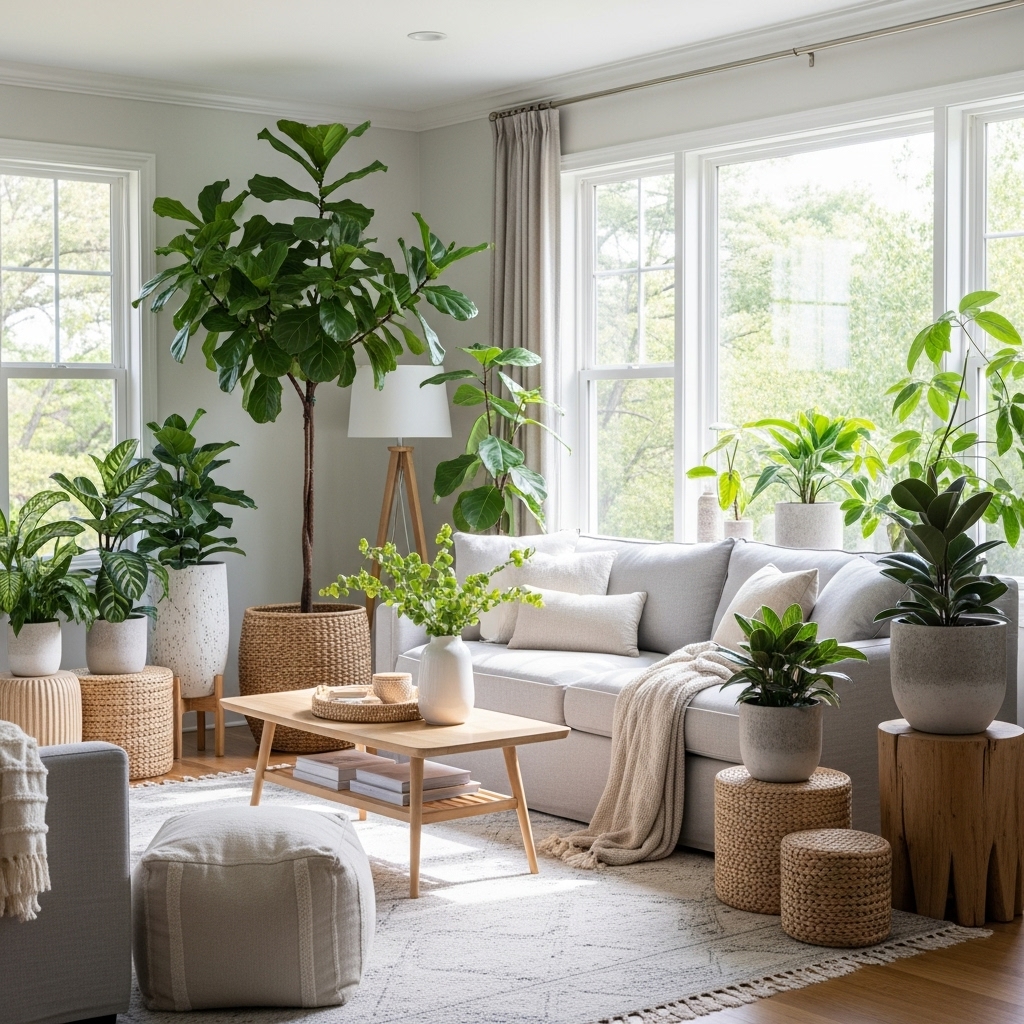
Large plants like fiddle leaf figs or rubber plants add vertical texture, while trailing plants soften shelves and corners. Even faux plants can work if they’re high quality and paired with textured planters like ceramic, stone, or woven baskets.
Style with Handmade and Artisan Decor
Handcrafted décor pieces bring character and unique texture into a living room. Think ceramic vases with uneven glazes, carved wooden bowls, or sculptural objects made from clay or stone.
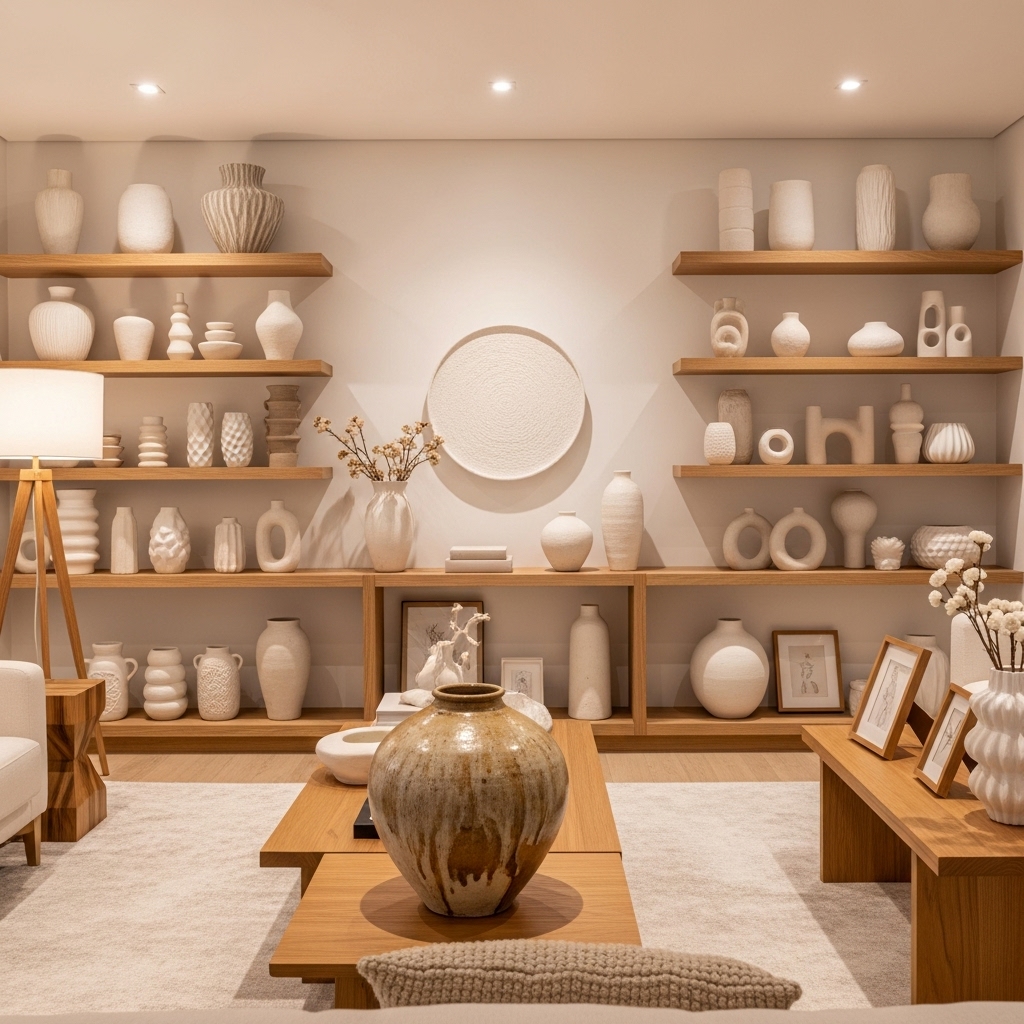
These items often have slight imperfections that add charm and authenticity. Display them on shelves, coffee tables, or consoles to create focal points that feel curated rather than mass-produced.
Don’t Forget About Furniture Texture
Furniture itself plays a major role in texture. Upholstery choices can dramatically change the feel of a room.
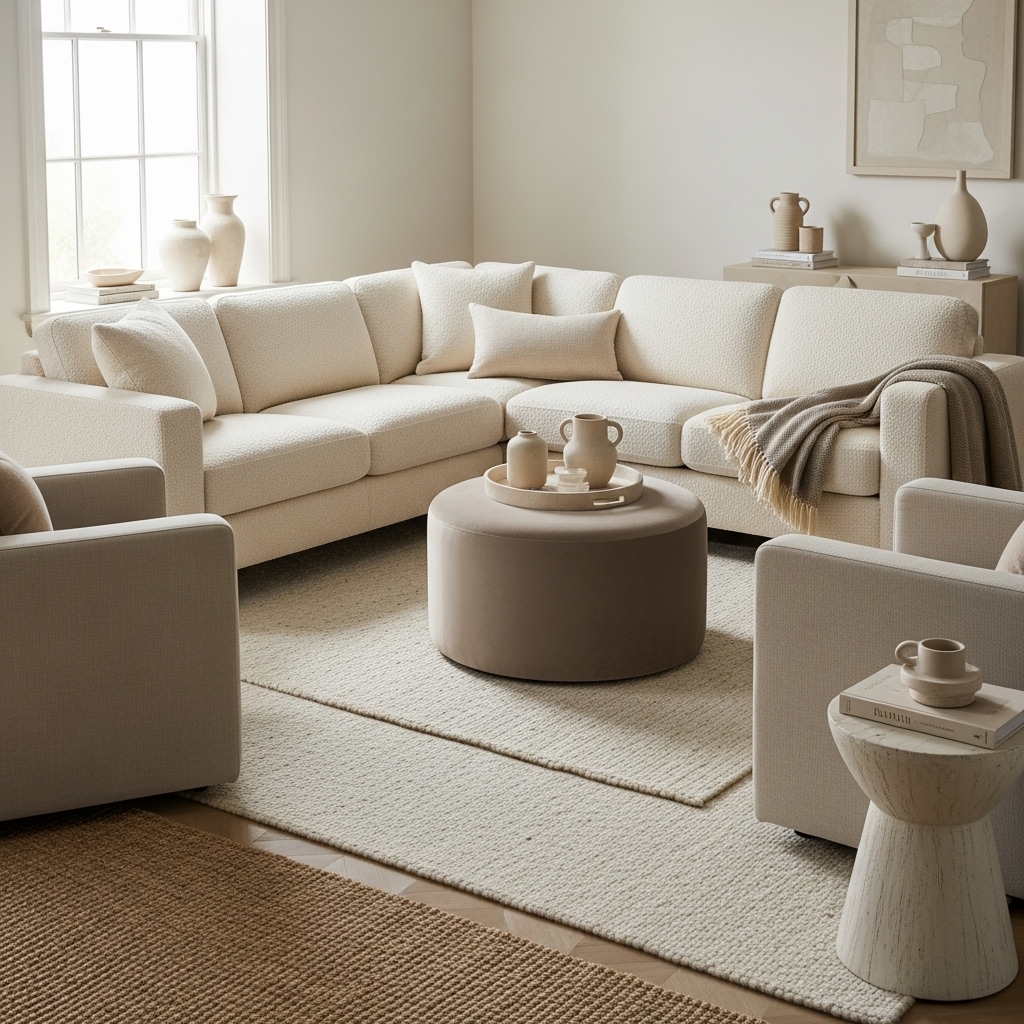
Boucle sofas, linen armchairs, or velvet ottomans add tactile interest while remaining timeless. Even mixing finishes—like a fabric sofa paired with a leather chair—adds richness and depth.
Pay attention to legs and frames too. Wood, metal, or upholstered bases all contribute to the overall texture of the space.
Use Lighting to Enhance Texture
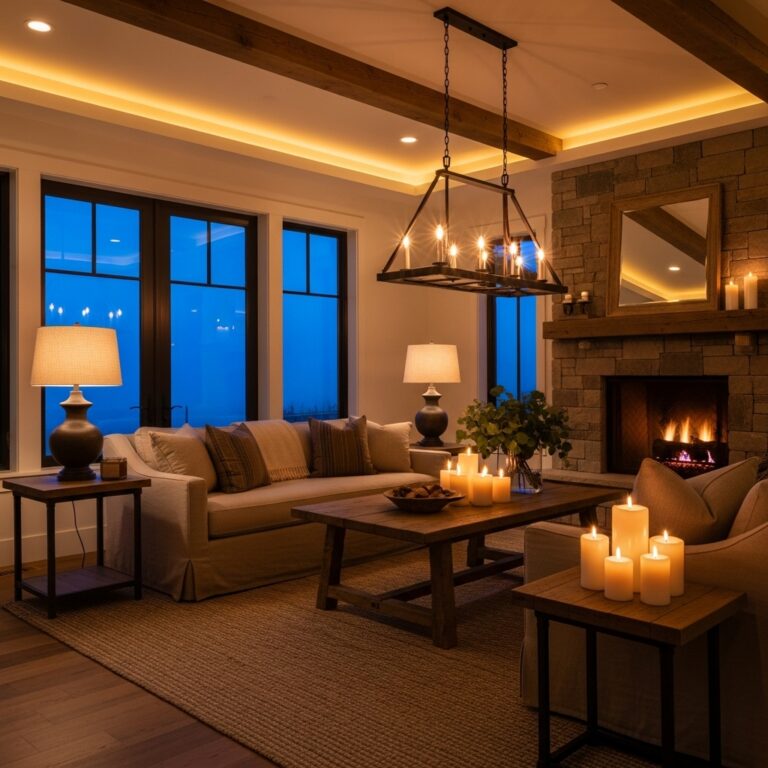
Lighting doesn’t just illuminate—it highlights texture. Soft, warm lighting enhances the depth of fabrics, walls, and décor.
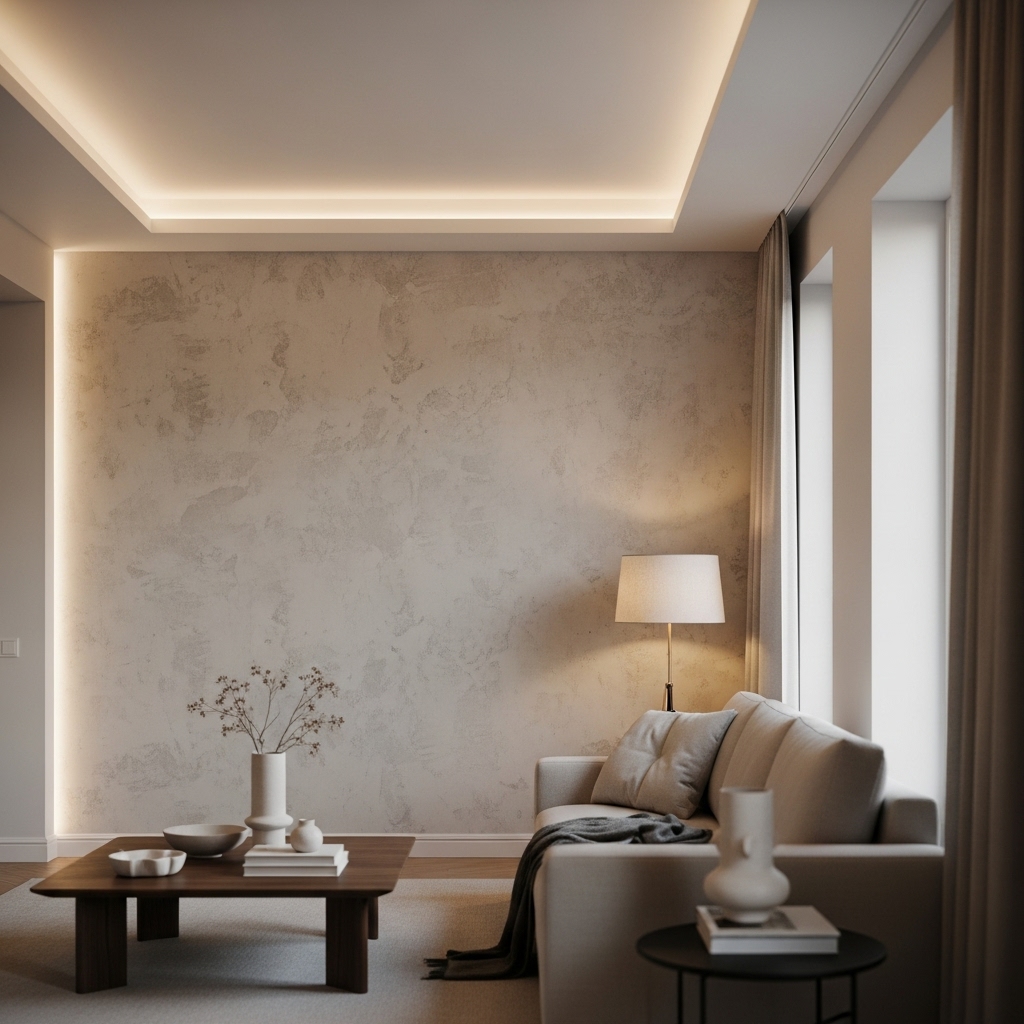
Table lamps with ceramic or woven bases, fabric lampshades, or textured glass pendants add subtle detail while casting beautiful shadows. Layering different light sources helps textures stand out and makes the room feel cozy in the evening.
Keep the Palette Cohesive
When working with texture, it’s important to maintain a cohesive color palette. Too many colors combined with multiple textures can feel overwhelming.
Neutrals like beige, cream, gray, and warm browns are perfect foundations for textured living rooms. You can add depth through materials rather than bold colors, creating a space that feels calm, stylish, and timeless.
Final Thoughts: Texture Makes a Living Room Feel Complete
Texture is what transforms a living room from simply furnished to truly inviting. By layering textiles, incorporating natural materials, mixing finishes, and paying attention to walls, lighting, and décor, you can create a space that feels warm, balanced, and loved by everyone who enters.
Whether your style is modern, cozy, minimalist, or eclectic, these Textured Living Room Decor Ideas Everyone Loves prove that texture isn’t just a design trend—it’s a timeless approach to making your home feel richer and more comfortable.